El Niño is Coming: Lets Take a Snapshot of the Panama Canal
The Panama Canal Authority recently issued a press release that sought to reassure shipping companies that no transit restrictions were forecast through 31 December 2026. News had just broken that the climate warming phenomenon El Niño would be especially strong and begin sooner than expected this year. The Authority noted that the Gatún and Alhajuela lakes, the freshwater reserves that power the canal and supply drinking water for more than half of Panama’s population, sit at historically high levels. It attributed this state of affairs to water-saving measures activated in December 2025 and an unusually rainy dry season. The statement was measured and precise. It stops at 31 December 2026.
That Temporal Boundary Matters.
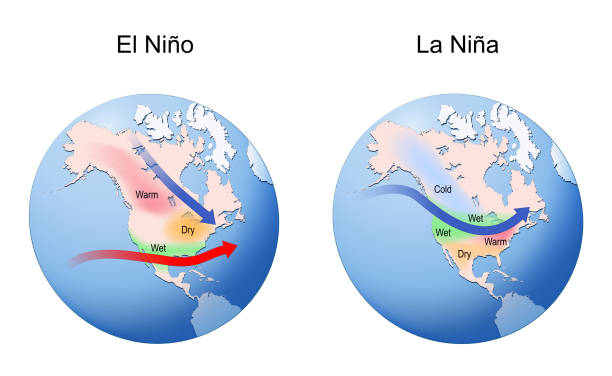
The Authority manages a waterway that handles 46% of containers moving between northeast Asia and the US eastern seaboard. When the Gatún and Alhajuela lakes dropped sharply in 2023-24 by an El Niño-linked drought, daily transits were cut by nearly a third, shipping costs soared, and some ships were left waiting more than 17 days to cross. El Niño’s worst hydrological impacts usually arrive the year after onset, meaning 2027. The Authority’s long-term answer is a USD 1.6 billion reservoir that will not be operational before the early 2030s. Building it means displacing approximately 2,000 people from 37 villages.
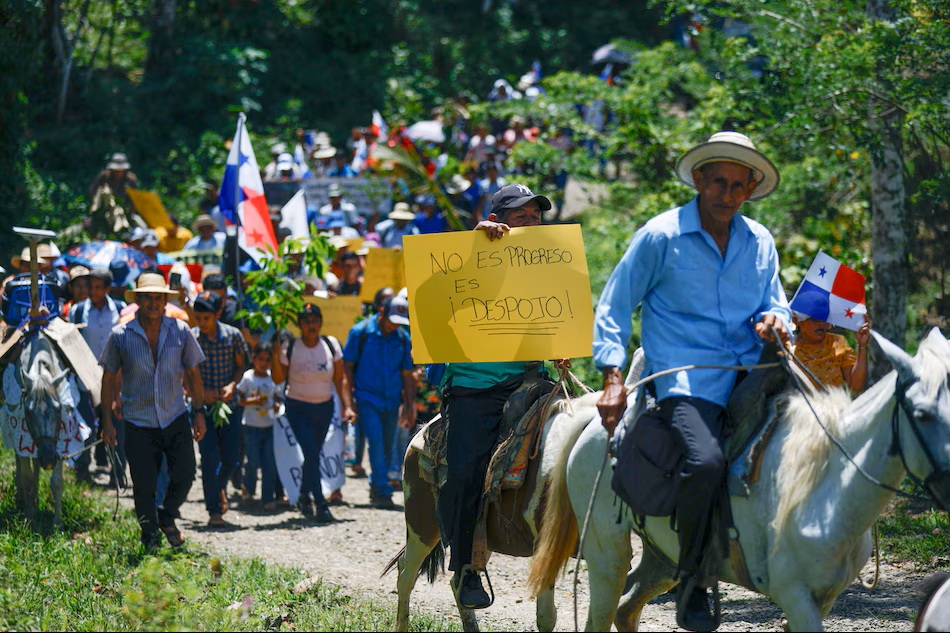
Most have rejected the project, filed complaints with an international human rights body, and begun protests. Panama’s dry season in early 2026 was among the wettest on record since 1950. That topped up Gatún and Alhajuela lakes. Those rainfall levels are unlikely to be so heavy next year when El Niño’s drought-provoking effects will be at their peak. The 2023-24 drought demonstrated what happens when the rain stops. Annual transits fell 29% in 2024, with daily transits dropping from 36 to as few as 22. Vessels were forced to reduce cargo loads as draft restrictions cut navigable depth. Shipping companies paid auction premiums for guaranteed slots, driving toll rates to new highs. Smaller operators had no choice but to absorb costs they could not hedge.
That disruption deepened when Houthi attacks closed the Red Sea simultaneously. With two major global shipping corridors blocked at once, some vessels were forced onto longer routes around the South African Cape. Wait times quintupled for the largest container ships. The Canal Authority is preparing for the effects of the upcoming El Niño. It activated operational measures in December 2025, including simultaneous lockages for smaller vessels, water-recycling basins at the Neopanamax locks, and the suspension of hydroelectric generation at Gatún. This has successfully reduced daily consumption without cutting transits.
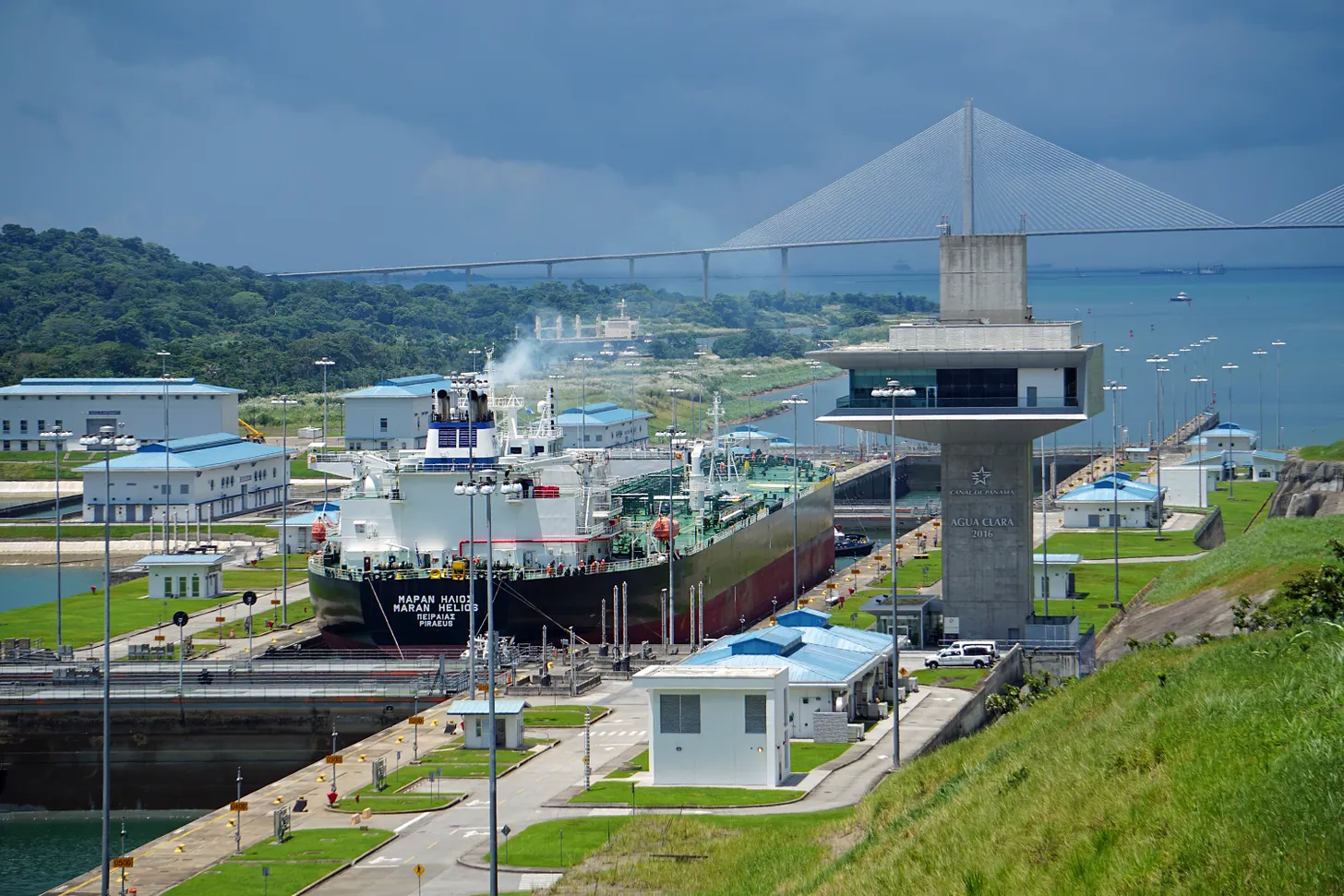
The Authority is also publishing weekly lake-level projections to provide forward visibility. However, these measures are stopgaps. The structural answer, approved last year, is the Río Indio project: a USD 1.6 billion reservoir feeding water through a nine-kilometre gravity tunnel into Gatún Lake. It would add multiple daily transits at full capacity and increase the Canal’s resistance to periods of drought. Construction tenders are not planned until at least late 2026. Completion sits in the early 2030s at the earliest: well after the next El Niño impact window.
Organized Resistance
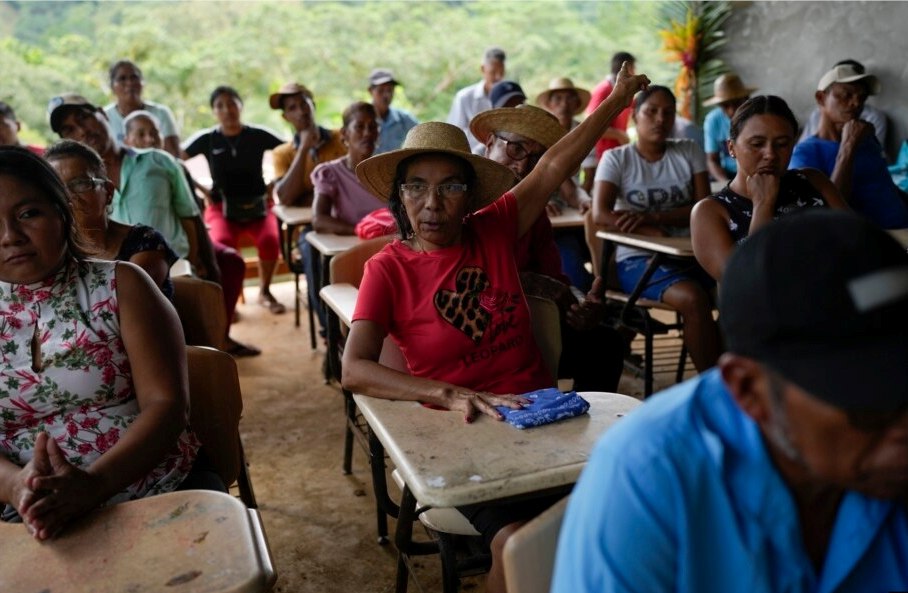
The Authority’s 16 May statement paints a reassuring picture: reserves high, transits stable, long-term fix in motion. It does not address the political condition attached to a solution that already will not be on time. The Río Indio project requires the displacement of approximately 2,000 people from 37 villages. ‘The Peasant Coordinator for Life against Reservoirs’ reports that 85% of affected families have rejected the project. Peasant organizations have filed a complaint with the Inter-American Commission on Human Rights (IACHR). A separate Supreme Court challenge cites the international Escazú environmental treaty and the alleged absence of genuine prior consultation.
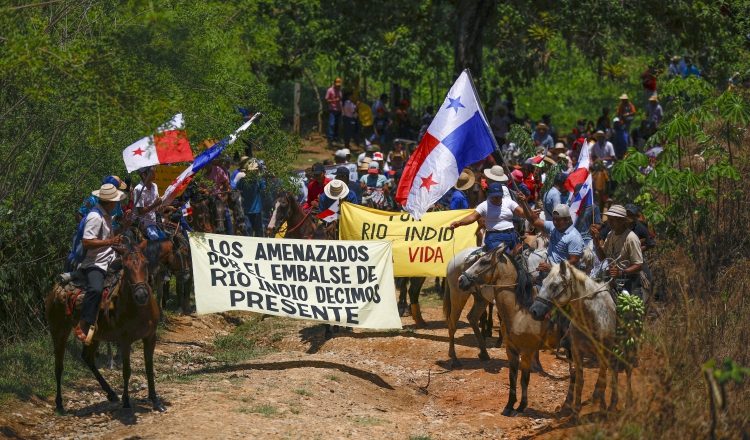
In April 2026, hundreds of farmers marched through the Chagres district. The Authority’s response has included reforestation, rural aqueducts, and roads in the affected zone. A former Canal sociologist, who switched sides to support local communities, described being tasked with convincing farmers of the Canal’s benefits. Separately, the regional bishop, Manuel Ochogavía, has publicly raised alarm over the militarization of the area during protests. The 2023 Cobre Panamá protests demonstrate how a relatively isolated civil unrest can take on national dimensions. Opposition to a mining concession in Colón province escalated over 39 days into national road blockades, a Supreme Court ruling, and a mine closure.
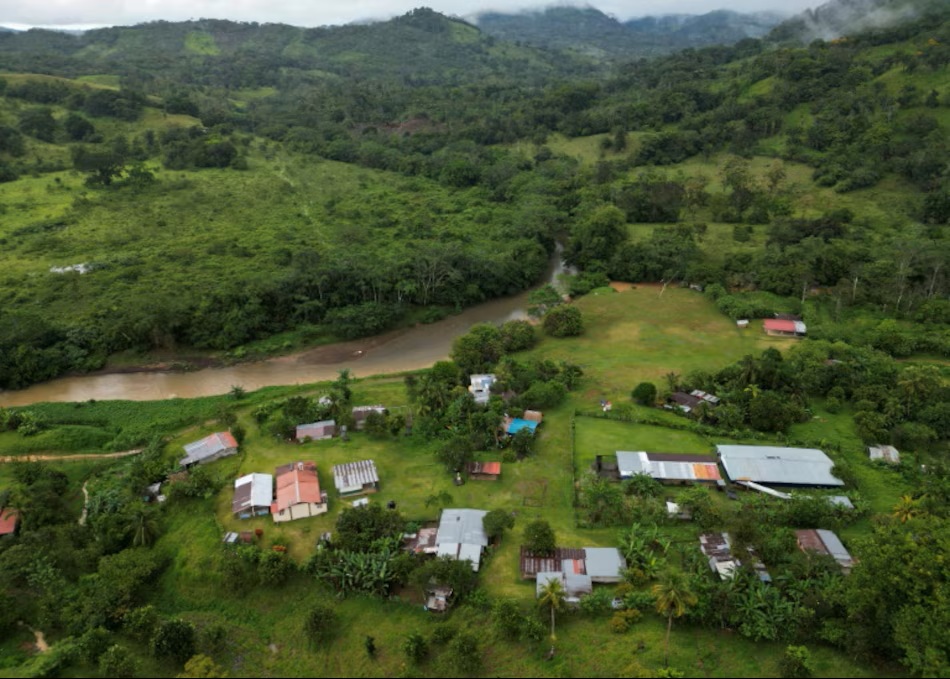
The movement drew in unions, student groups, and environmental organizations around shared grievances about water, displacement, and government prioritization of commercial interests. The Río Indio resistance has already adopted some of the same institutional tools: an IACHR complaint, a Supreme Court challenge, coordinated highway blockades, and a boat parade that drew national and international media attention. It also involves some of the same issues, access to drinking water chief among them. The Authority’s 16 May statement accounts for rainfall, lake levels, and transit projections. The conditions it does not account for are the delays and restructurings an organized resistance movement can achieve against its key project.
A Solution that Arrives After the Problem
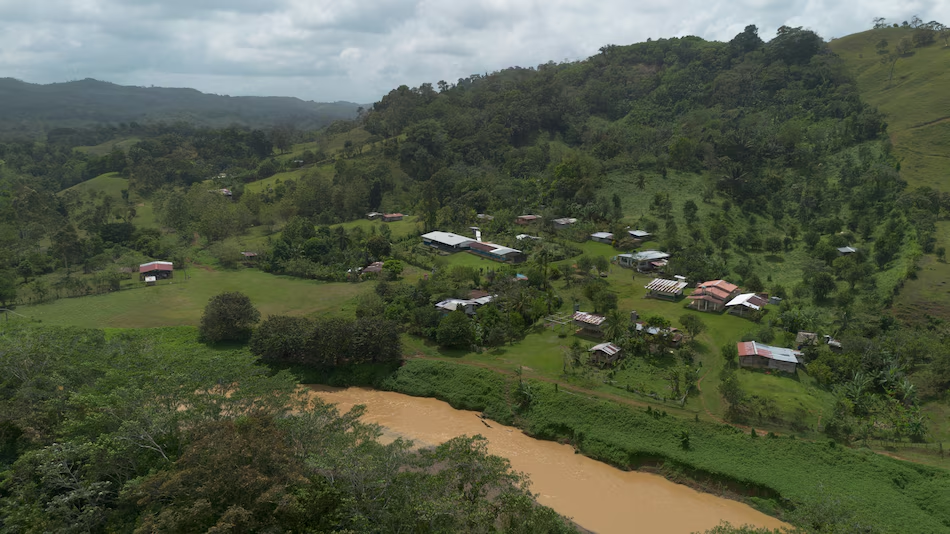
The Canal Authority enters the second half of 2026 with its reserves high, but its long-term solution to scarce rainfall years away from completion. Already running behind, the Río Indio project has not started. A pending Supreme Court case, an unresolved environmental assessment, and 85% community rejection each represent the kind of obstacle that can only cause further delay. The Authority’s 16 May statement accounts for 2026. The Authority’s own planning identifies 2027 as the year El Niño historically delivers its worst. The new reservoir will not be ready in time. El Niño-linked drought in 2023-24 sets the precedent for what is likely to happen next: higher transit prices and significant delays.