Key Rules for Whale Watching During Whale Season in Panama

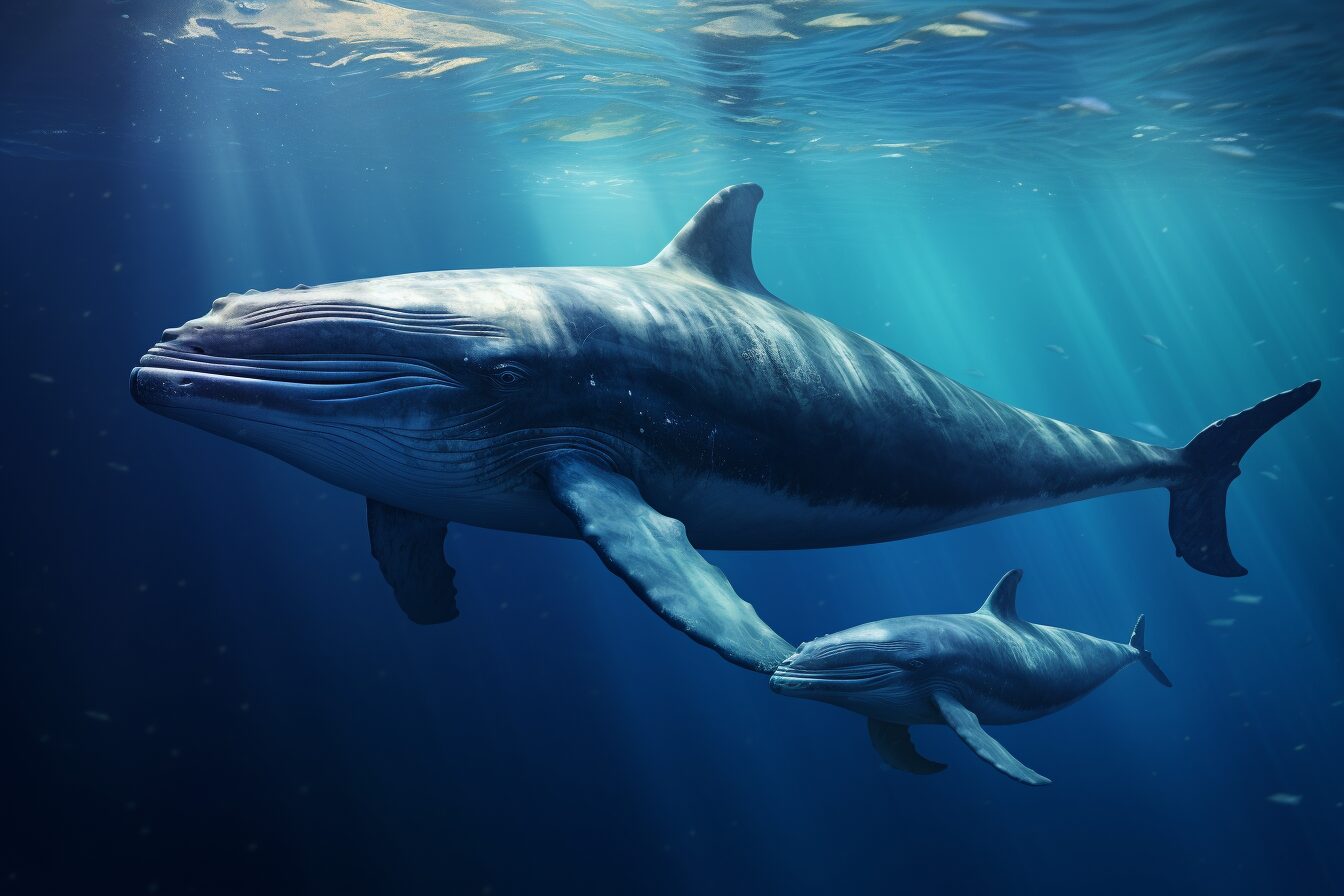
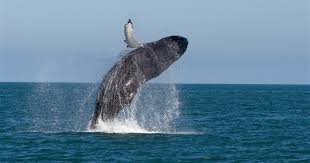
Between July and October, the warm waters of Panama are the ideal place for humpback whales, which travel thousands of kilometers to give birth and care for their young. The Panamanian Pacific is experiencing an increase in tourism activity with the arrival of whales, and the Ministry of Environment (MiAmbiente) reminded visitors, boat operators and tour operators of the key rules that they must comply with.
The organization stressed the importance of strictly adhering to whale watching regulations and rules of conduct, in order to reduce incidents that affect them and ensure a safe experience for everyone. Among the established provisions, it is requested to avoid getting closer than authorized, not to chase the whales or interfere with their movement, as this can alter their behavior, cause injuries and affect essential processes such as rest, feeding and the care of the young. The ministry reminded that whale watching is regulated by Resolution DM-0144-2022, which establishes the provisions that vessels engaged in this activity must follow:
• Maintain a minimum distance of 250 meters from whales and 100 meters from dolphins.
• Navigate at a maximum speed of 4 knots (approximately 7 km/h) within the observation zones.
• Put the engine in neutral when the cetaceans are close to the vessel.
Between July and October, the warm waters of Panama are the ideal place for humpback whales, which travel thousands of kilometers to give birth and care for their young. The Panamanian Pacific is experiencing an increase in tourism activity with the arrival of whales, and the Ministry of Environment (MiAmbiente) reminded visitors, boat operators and tour operators of the key rules that they must comply with.