Panama on a Student Budget: How to Save Money Without Missing Out on the Fun
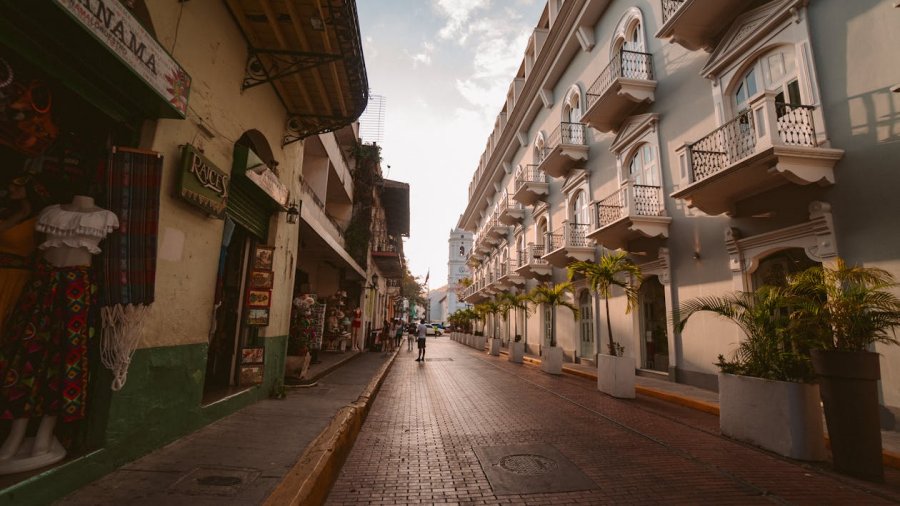
Studying in Panama can be exciting, colorful, and surprisingly affordable if you know how to manage your money. Between beach trips, city nights, cafés, local food, cultural festivals, and weekend adventures, there is always something tempting to spend on. The challenge is not avoiding fun altogether. The real goal is learning how to enjoy Panama without letting small daily expenses quietly drain your budget.
Whether you are studying in Panama City, David, Colón, or near a university town, your money habits will shape your experience. A good student budget gives you freedom. It helps you say yes to plans that matter while avoiding stress at the end of the month.
Start With Your Real Monthly Budget
Before you decide what to cut, figure out what you actually spend. Many students underestimate casual purchases: coffee, snacks, rideshares, streaming subscriptions, delivery fees, and last-minute supplies. These costs seem small, but they add up quickly.
Break your monthly budget into simple categories:
- Rent or student housing
- Groceries and eating out
- Transportation
- Phone and internet
- School supplies
- Entertainment
- Travel and weekend plans
- Emergency savings
Once you know your baseline, you can decide where to adjust. For example, if food delivery is taking too much money, you do not have to stop eating out completely. You can limit delivery to once a week and explore cheaper local food spots the rest of the time.
Academic costs also deserve attention. Printing, textbooks, supplies, tutoring, software, and project materials can surprise you. Some students search for ethical academic support options or phrases like write my paper when they feel overwhelmed, but the smarter budgeting move is to plan ahead: use campus writing centers, library resources, study groups, editing help, and time management tools before stress turns into expensive last-minute decisions.
Eat Well Without Overspending
Food is one of the easiest areas to control without making your life miserable. Panama has plenty of affordable meals if you know where to look. Local fondas are often cheaper than tourist-focused restaurants, and they usually serve filling plates with rice, beans, chicken, beef, plantains, soup, or salad.
Grocery shopping also matters. Imported snacks, specialty products, and premium brands can be expensive. Local produce, rice, eggs, beans, pasta, canned tuna, chicken, and seasonal fruits are usually better choices for a student budget.
A few easy food-saving habits:
- Cook breakfast at home instead of buying it daily.
- Carry a reusable water bottle.
- Meal prep two or three basic meals per week.
- Buy local fruit instead of imported snacks.
- Split bulk groceries with roommates.
- Save restaurant meals for social plans, not daily routine.
This does not mean you should never enjoy Panama’s food scene. Budget for it. Choose one or two meals out each week that feel worth it instead of spending randomly every day.
Use Public Transportation When Possible
Transportation can either be affordable or expensive, depending on your habits. In Panama City, the Metro is one of the best tools for students. It is generally cheaper than taxis or rideshares and can help you move around efficiently if your university, housing, or internship is near a station.
Buses are another budget-friendly option, though routes may take time to learn. Once you understand your usual route, public transport can save a lot over the semester.
Rideshares and taxis are useful, especially late at night or when safety is a concern, but they should not become your default for every short trip. Walking is also realistic in some areas, but be practical. Consider heat, rain, distance, traffic, and neighborhood safety.
Choose Housing Carefully
Housing will likely be your biggest expense. A cheaper place far from campus may not save money if you spend too much on transportation or lose hours commuting. On the other hand, living in the most popular student or nightlife area can push your rent much higher than necessary.
Think about the total cost, not just the rent and ask yourself:
- Is electricity included?
- Is the internet reliable?
- How much will transportation cost?
- Can I cook there?
- Is laundry included or nearby?
- Is the area safe enough for my schedule?
- Are there extra fees for maintenance or utilities?
Roommates can reduce costs significantly, but only if expectations are clear. Discuss cleaning, bills, guests, groceries, noise, and shared items before moving in. A cheap apartment becomes expensive emotionally if roommate conflict ruins your semester.
Enjoy Nightlife Without Burning Through Cash
Panama has a fun social scene, especially in Panama City. Casco Viejo, rooftop bars, clubs, live music spots, beach events, and student parties can all be part of the experience. The trick is to set limits before you go out.
Decide your spending cap for the night and stick to it. Eat before going out so you are not buying overpriced late-night food. Look for student nights, free-entry events, happy hours, and group deals. Bring only the amount you are comfortable spending, or use a separate card with a set balance.
You do not have to attend every event. Pick the ones that actually matter to you. Missing one expensive night out is better than spending the next two weeks broke.
Travel Smart Around Panama
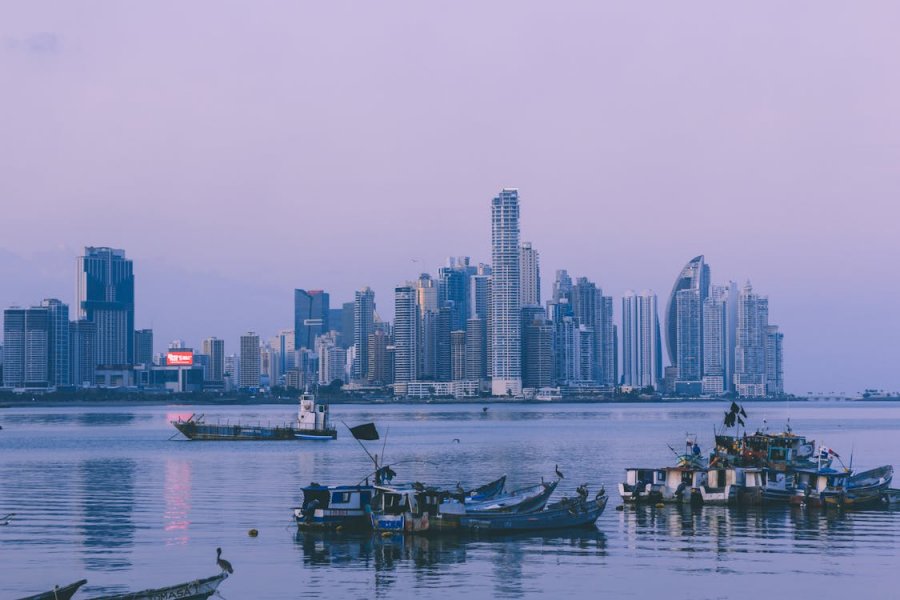
One of the best parts of studying in Panama is the chance to explore. Beaches, islands, mountains, rainforests, historic towns, and cultural sites are all within reach. But travel can get expensive if you plan poorly.
Budget travel works best when you go with a group, book early, and stay flexible. Shared transportation and lodging often lower the cost. Hostels, guesthouses, and simple rentals can be much cheaper than hotels.
Affordable student-friendly destinations may include beach towns, hiking areas, local festivals, and day trips near your city. You can still visit famous spots, but balance them with cheaper local adventures.
Try creating a fun fund each month. Even putting aside a small amount gives you guilt-free money for trips, events, and spontaneous plans.
Save on School Supplies and Course Materials
Textbooks and course materials can be expensive, especially if professors require specific editions. Before buying everything new, check whether used copies, digital versions, rentals, or library copies are available. Ask older students which books are truly necessary and which ones are rarely used.
You can also reduce costs by sharing resources responsibly. For group projects, divide costs fairly before buying supplies. For printing, avoid printing unnecessary pages. Use digital notes when allowed.
Small savings on school materials can go toward better things: a weekend trip, a good meal, or emergency savings.
Protect Yourself From Invisible Spending
Invisible spending is money that disappears because you are not paying attention. It includes subscription renewals, app purchases, ATM fees, bank charges, convenience store snacks, and repeated small card payments.
Check your bank app at least twice a week. Cancel subscriptions you barely use. Avoid withdrawing money from ATMs with high fees. Keep a small emergency fund so one unexpected cost does not wreck your month.
A simple rule helps: before buying something non-essential, wait ten minutes. If you still want it and it fits your budget, buy it. If not, skip it.
Make Friends Without Matching Everyone’s Spending
Student life can bring social pressure. Some friends may have bigger budgets, family support, or different priorities. You do not need to copy their spending to belong.
Suggest cheaper plans sometimes: beach days, home dinners, movie nights, free events, study cafés, hikes, museum days, or shared cooking nights. Good friends will not require you to overspend just to spend time with them.
Being honest also helps. Keeping a weekend low-budget is normal. Most students understand because many are dealing with the same thing.
Build a Budget That Still Feels Like a Life
A strict budget that leaves no room for enjoyment usually fails. Panama is too lively for a plan based only on restriction. Instead, build a budget that includes fun on purpose.
Cover your essentials first, save a little if possible, then decide how much you can spend on entertainment. When the fun category is empty, pause until next month. That boundary protects you from debt and stress.
Student budgeting in Panama is not about being cheap. It is about being intentional. Spend on what gives you real value: friendships, experiences, food you love, safe housing, academic success, and memorable travel. Cut what you barely notice.
With the right habits, you can save money, enjoy your student years, and leave Panama with great memories instead of financial regret.