Panama Officially Recognizes the People’s Republic of China (PRC) Over Taiwan: Xi Warns the U.S. of Possible Taiwan Clash
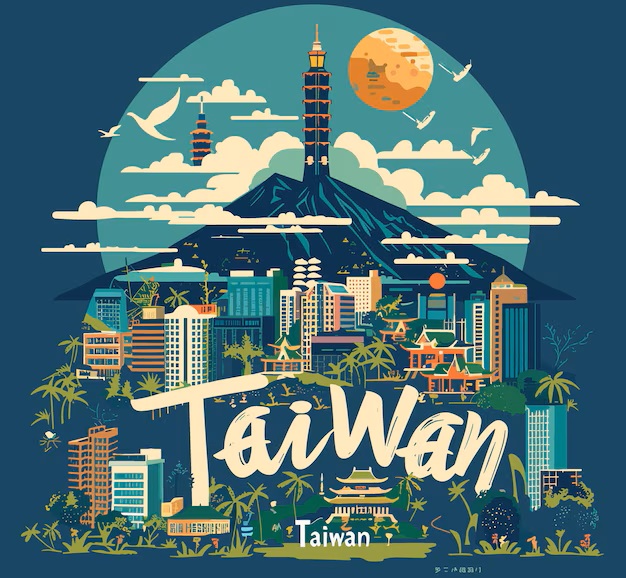
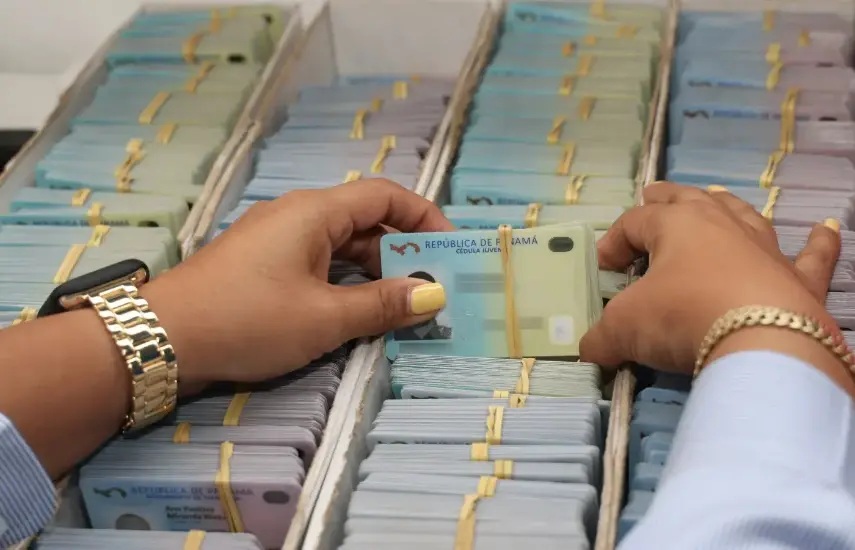
As of 2017, Panama officially recognizes the People’s Republic of China (PRC) over Taiwan, but maintains, or at least allows, unofficial, low-level engagement with Taiwan. While the executive branch officially adheres to the “one China” policy, some legislators and local actors continue to pursue trade, investment, and academic cooperation with Taiwan to diversify economic opportunities.
Key Aspects of Panama’s Stance on Taiwan:
- Official Position: In 2017, Panama severed long-standing formal diplomatic ties with Taiwan, opting to recognize Beijing due to China’s increasing economic and political influence in the region.
- Recent Diplomatic Tensions (2025): In November 2025, a planned trip by Panamanian lawmakers to Taiwan created friction, with reports indicating that the Chinese embassy in Panama urged them to cancel to avoid violating the “one China” principle.
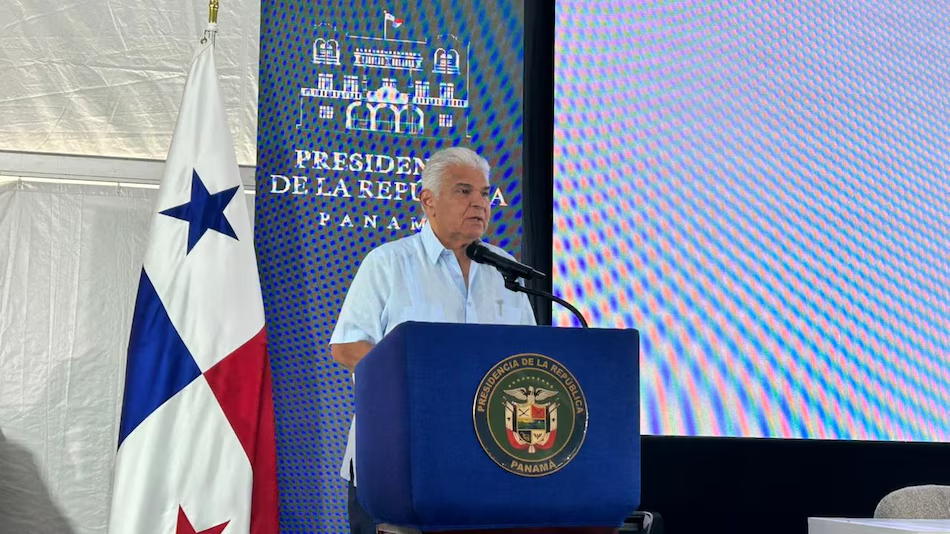
- Government Response: While President José Raúl Mulino pictured above stated that the trip did not have his administration’s formal approval, Panama’s Foreign Ministry strongly criticized Chinese diplomatic meddling, stating they do not accept pressure regarding their internal affairs.
- Economic Interest: Despite the lack of formal ties, some Panamanian officials maintain interest in Taiwan’s expertise, technology, and economic partnerships.
Overall, Panama is navigating a careful middle ground, balancing its formal relationship with Beijing (its major trading partner via the canal) with an interest in sustaining economic ties with Taiwan.
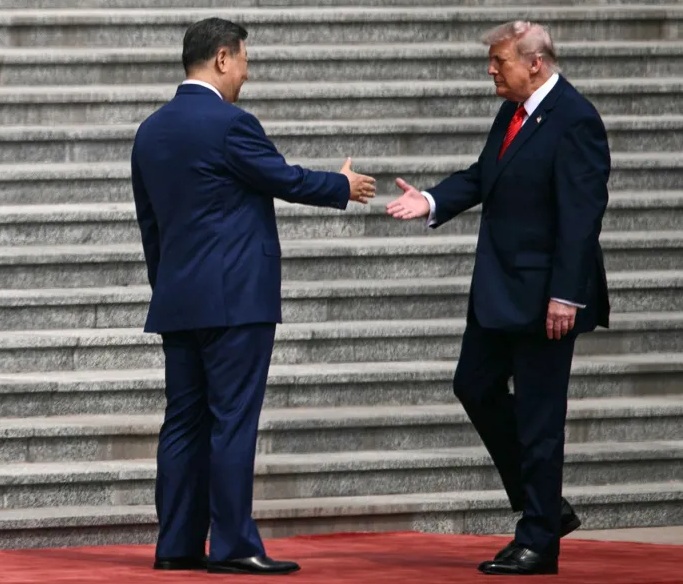
Xi Warns Trump of Possible U.S.-China Clash Over Taiwan at Beijing Summit
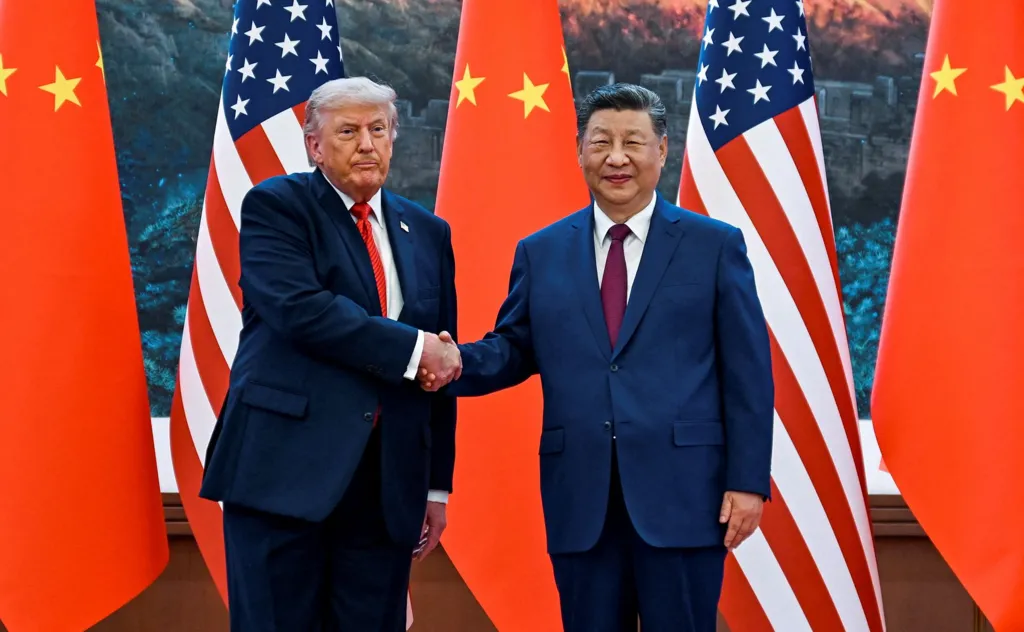
Chinese President Xi Jinping warned President Donald Trump during a closely watched summit in Beijing that the United States and China could come into conflict over Taiwan, highlighting the deep divide between the world’s two largest economies on one of the most sensitive issues in global politics. The exchange came during a high-stakes meeting between Xi and Trump that exposed how far apart the two leaders remain on a range of flashpoints, including Taiwan, the war in Iran and long-running trade disputes. Taiwan, a self-ruled island democracy, is claimed by China as part of its territory, while Washington has long maintained unofficial ties and provided security support to Taipei.
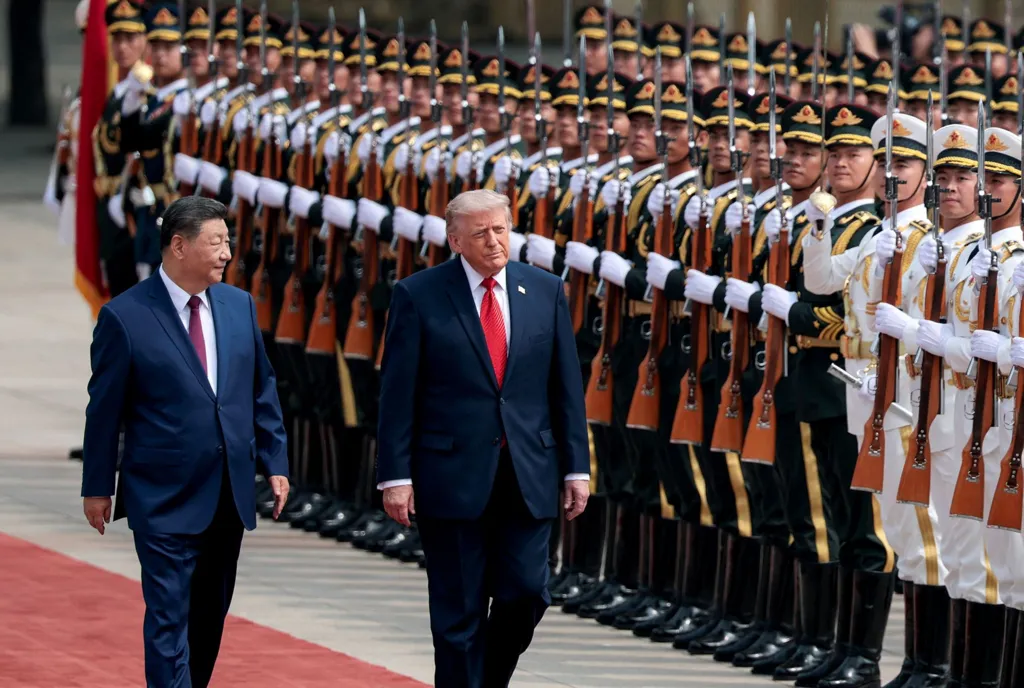
Xi’s warning underscores Beijing’s view that Taiwan remains a core national sovereignty issue and a potential source of direct confrontation with the United States. For Washington, preserving peace in the Taiwan Strait is a central strategic priority because any conflict there would reverberate across global trade, security alliances and semiconductor supply chains. U.S.-China relations have been strained for years by competition over trade, technology, military influence and regional security. Taiwan sits at the center of that rivalry. Beijing has increased military and political pressure on the island, while the United States has continued to oppose any unilateral change to the status quo by force.
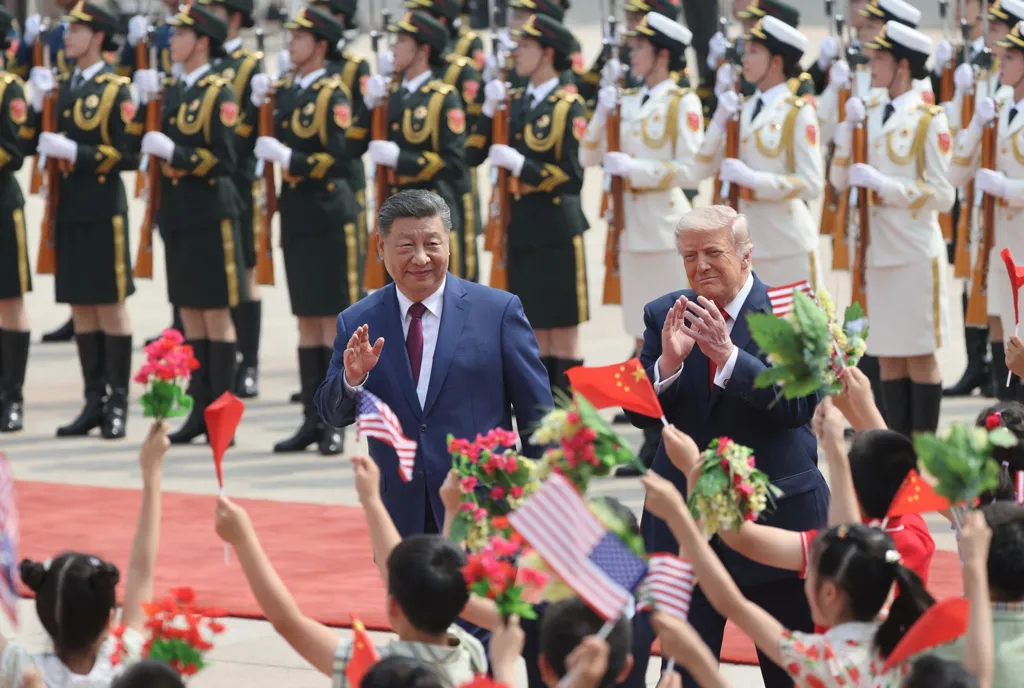
The summit in Beijing was expected to test whether Trump and Xi could narrow differences on major international issues. Instead, the meeting highlighted continuing distrust. Disputes over tariffs and access to each other’s markets have already reshaped parts of the global economy, and tensions over Taiwan add a far more dangerous military dimension. The broader geopolitical backdrop also includes the war in Iran, which has further complicated relations among major powers and raised fears of spillover effects in energy markets, shipping routes and diplomatic alignments. In this environment, even carefully worded warnings between Washington and Beijing can carry significant weight. A clash over Taiwan would not be a regional problem alone.
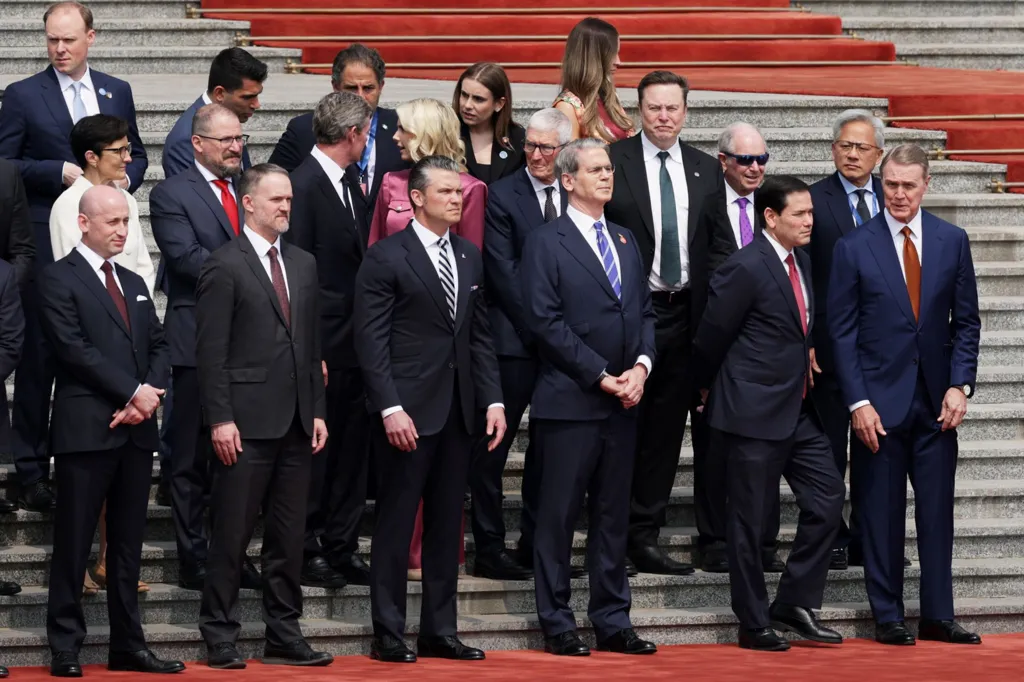
It would create immediate shockwaves across global shipping, financial markets and the technology sector, especially because Taiwan is a critical hub for advanced semiconductor manufacturing. Any escalation would also force allies and trading partners to reassess security and economic ties with both the United States and China. For Panama and Latin America, the stakes are real. The region depends heavily on stable global trade and open maritime routes, both of which could be disrupted by a major U.S.-China confrontation. Panama, as the home of the Canal, would be particularly exposed to any prolonged slowdown in Asia-Pacific commerce or volatility in shipping demand.
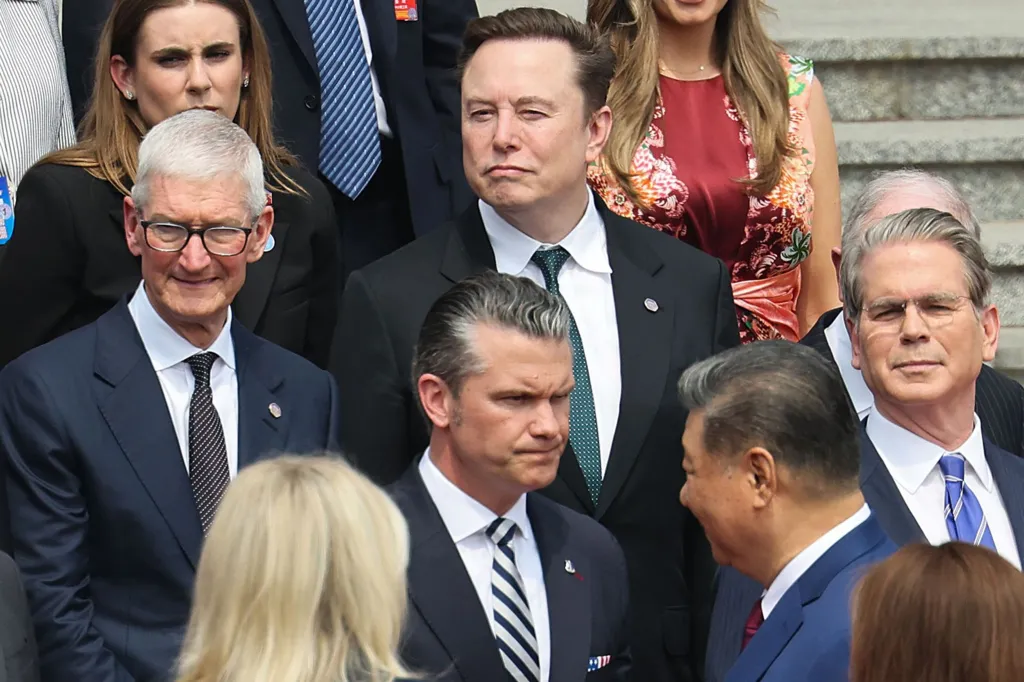
Latin American governments would also face renewed pressure to balance relations with Washington and Beijing. China has become a major trade and investment partner across the region, while the United States remains the dominant security and economic influence in the hemisphere. A sharper confrontation over Taiwan could make that balancing act even more difficult. The Beijing summit shows that, despite ongoing diplomatic contact, the strategic rivalry between the United States and China remains unresolved. Taiwan is still one of the most dangerous fault lines in world politics, and the latest exchange suggests neither side is backing away from its position.