What Victims Need to Know About Filing a Head-On Accident Claim
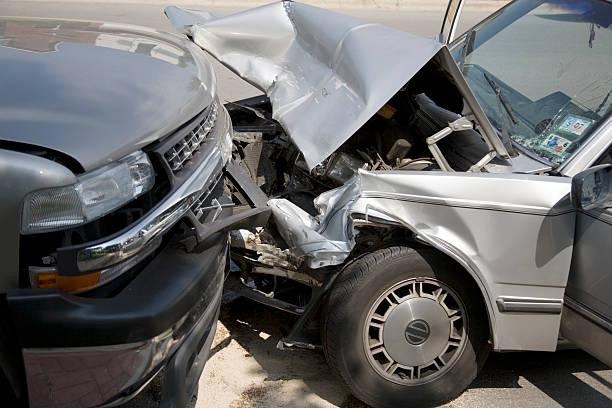
A head-on collision happens when two vehicles traveling in opposite directions collide head-on. These crashes are among the deadliest on the road, and filing a claim afterward can feel just as overwhelming as the crash itself.
Most victims don’t know where to start. They’re dealing with injuries, medical bills, and insurance calls all at once. Knowing how the claims process works, what steps to take, and how fault and compensation are determined can make a significant difference in what you recover.
If you were hurt in a crash, working with an experienced head-on crash attorney gives you the best shot at holding people accountable and getting fair compensation.
Why Head-On Crashes Lead to Complex Claims
Head-on crashes don’t just cause physical damage; they create legal complexity. Both drivers often blame each other. Insurance companies dispute fault early and aggressively.
The forces involved in these crashes are extreme. Unlike a rear-end collision, a head-on collision involves the combined forces of both vehicles. That means injuries are often catastrophic: traumatic brain injuries, spinal damage, broken bones, and internal bleeding. Head-on collisions account for a disproportionately high percentage of fatal crashes despite being less common than other collision types.
Because injuries are severe, the damages are high, and insurance companies fight harder to reduce payouts on high-value claims.
Steps to Take After a Head-On Collision
Acting quickly after a crash protects both your health and your legal rights. Here’s what to do:
- Seek medical care immediately, even if you feel fine. Symptoms from brain or spinal injuries can appear hours or days later.
- Report the accident to police and get a copy of the crash report.
- Gather evidence at the scene, including, photos, witness names, dashcam footage, and road conditions.
- Keep all medical records and bills for every treatment you receive.
- Avoid speaking to the other driver’s insurer without legal guidance first.
- Contact a personal injury attorney before accepting any settlement offer.
What Compensation Can Victims Recover?
A successful head-on accident claim can cover more than just hospital bills. Victims may be entitled to compensation for:
- Medical expenses, both current and future
- Lost wages and reduced earning capacity
- Pain and suffering
- Emotional distress
- Property damage
In cases involving reckless or drunk driving, punitive damages may also apply. Motor vehicle crashes cost the U.S. over $380 billion annually in medical and productivity losses; individual victims carry a significant portion of that burden.
How Fault Is Determined in a Head-On Case
Georgia follows a modified comparative negligence rule. If you are found partially at fault, your compensation is reduced by your percentage of responsibility. If your fault exceeds 50%, you may not recover anything.
This is why fault investigation matters so much. Attorneys use police reports, accident reconstructionists, witness statements, and physical evidence to build a strong liability argument on your behalf. Common causes like wrong-way driving, drowsy driving, or crossing the center line are thoroughly documented. Every detail uncovered strengthens your position and directly impacts what you can recover.
Key Takeaways
- Head-on collisions often result in severe, life-altering injuries that increase claim complexity.
- Victims should seek medical care immediately, even without obvious symptoms.
- Evidence gathered at the scene is critical; photos, witnesses, and crash reports matter.
- Georgia’s comparative negligence law means partial fault can reduce or eliminate your recovery.
- Insurance companies typically dispute liability and damages aggressively in high-value cases.
- An experienced attorney can investigate fault, handle insurers, and maximize your compensation.
- Never accept a settlement offer before understanding the full extent of your injuries and damages.