Understanding the Federal Prison System in South Carolina
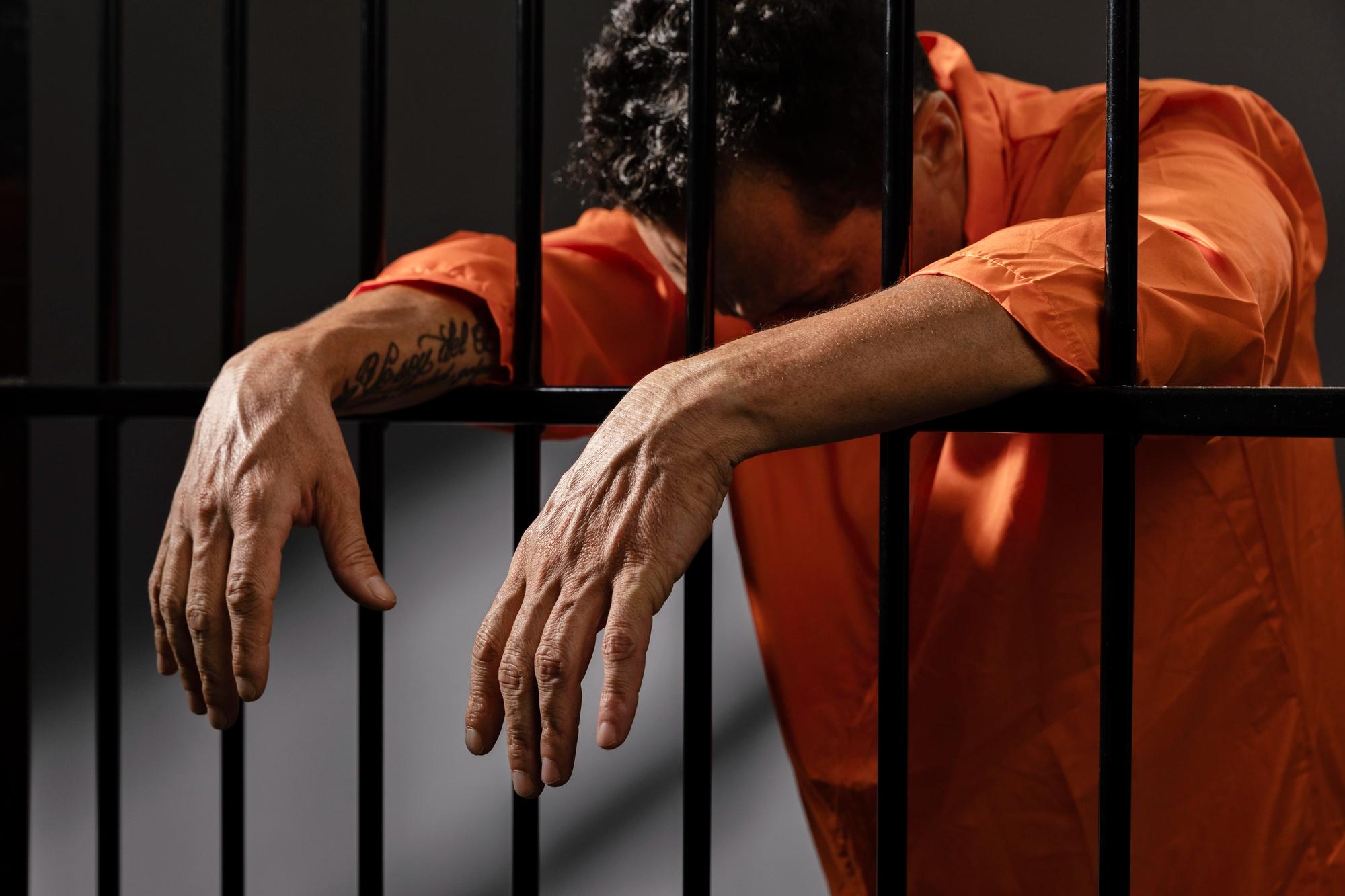
South Carolina runs four federal correctional facilities under the Bureau of Prisons (BOP): FCI Bennettsville, FCI Edgefield, FCI Estill, FCI Williamsburg, and a satellite camp attached to each. These facilities house thousands of inmates across medium and minimum security levels. Each one serves a different population, but all operate under the same federal rules.
Federal prisons work differently from state prisons. Federal prisons in South Carolina fall under the U.S. Bureau of Prisons, a federal agency that has nothing to do with the South Carolina Department of Corrections. If someone is convicted of a federal crime, they go federal.
As of 2024, the BOP holds over 158,000 people across the country. South Carolina’s facilities hold a slice of that population. Knowing how the system works matters if you’re a family member, legal professional, or just trying to understand what “federal time” actually means.
This article covers how federal prisons in South Carolina are structured, how inmates get placed, and what the process looks like from conviction to incarceration.
Where South Carolina Fits Geographically
South Carolina sits in the southeastern United States, bordered by North Carolina to the north, Georgia to the southwest, and the Atlantic Ocean to the east. The state runs from the Blue Ridge Mountains in the Upstate down to the coastal Lowcountry.
Its position in the Southeast makes it a regional hub for BOP placements. Federal inmates aren’t always assigned to a facility near home. The BOP places people based on security level, medical needs, program availability, and proximity to family when possible.
The Four Federal Facilities in South Carolina
FCI Estill sits in Hampton County, in the rural southern part of the state. It’s a medium-security institution with an attached minimum-security satellite camp, housing adult male inmates. Estill runs educational and vocational programs as part of its standard BOP programming.
FCI Bennettsville is in Marlboro County, in the Pee Dee region. Also medium security with a satellite camp for adult males. Same BOP structure, different corner of the state.
FCI Edgefield is in Edgefield County, in the western part of the state. Medium-security, adult males, satellite camp attached. It’s one of the larger facilities in the state by inmate population.
FCI Williamsburg sits in Salters, in Williamsburg County. It is also a medium-security facility with a camp. It’s the newest of the four and rounds out the state’s federal footprint across four distinct regions.
All four facilities are in rural, lower-income areas. That’s not a coincidence. Federal prisons tend to be located in areas where land is cheap and local governments want the economic activity.
Federal vs. State: The Actual Difference
State prisons hold people convicted of breaking state laws. Federal prisons hold people convicted of breaking federal laws. That’s the distinction.
The legal foundation for the federal prison system is 18 U.S.C. § 4042, which grants the Bureau of Prisons authority over the management, care, and safekeeping of all federal inmates. That statute defines the BOP’s mandate in full.
Federal sentencing works differently too. Parole was eliminated at the federal level in 1984. Inmates can earn up to 54 days of good conduct time per year under 18 U.S.C. § 3624, but they’re still serving the bulk of their sentence either way.
What Happens After a Federal Conviction in South Carolina
After sentencing in a South Carolina federal court, the process moves quickly:
- The U.S. Marshals Service takes custody of the defendant.
- The BOP runs a designation process to determine facility placement.
- Security points are calculated based on criminal history, current offense, and behavioral factors.
Programs Inside Federal Facilities
Both South Carolina federal institutions offer GED programs, vocational training, and substance abuse treatment. The BOP’s UNICOR program (Federal Prison Industries) employs inmates in manufacturing and service work, with wages running from $0.23 to $1.15 per hour.
Research from the Urban Institute shows inmates who complete vocational or educational programs while incarcerated have lower recidivism rates after release. The programs exist partly for that reason and partly because idle populations in closed facilities create management problems.
What Families Actually Need to Know
Visiting requires advance approval. Every facility maintains its own schedule, and visitors must be on an approved list before walking through the door.
Phone calls, emails through the TRULINCS system, and mail are all monitored. Inmates are told this upfront. It’s standard across every BOP facility.
Transfers and placement requests go through a formal BOP process. Advocates and attorneys can submit requests, but approval isn’t guaranteed and timelines aren’t fast. The system runs on paperwork and patience, and families who understand that from the start tend to manage the process better than those who don’t.
Key Takeaways
- South Carolina has four federal prisons operated by the Bureau of Prisons.
- FCI Estill is a medium security institution with an attached satellite camp.
- FCI Williamsburg is the newest of the four.
- These facilities are located in rural areas where land is cheap.
- Federal prisons hold people convicted of breaking federal laws.