Oil Prices Soar in Panama as US Demands Iran to Open the Strait of Hormuz
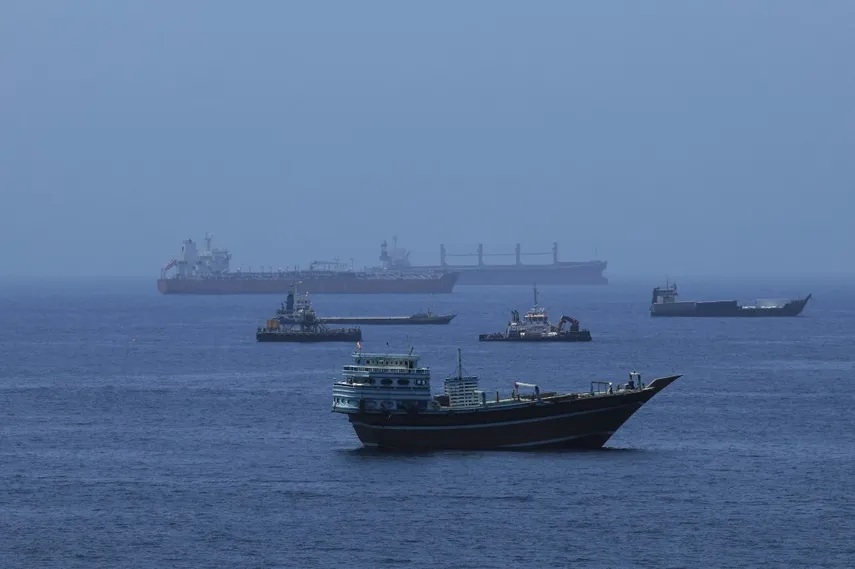
Below are ships on the strait of Hormuz. Oil prices surged 5% on Monday, driven by market concerns over divergent conditions set by the United States and Iran for unblocking the Strait of Hormuz. The oil market, which last week was betting on an agreement between the parties, is now worried about the diplomatic stalemate.
Oil prices surged 5% on Monday, driven by market concerns over the divergent terms set by the United States and Iran for reopening the Strait of Hormuz. Brent crude, the North Sea benchmark, rose 4.99% to $87.72 a barrel. Its US equivalent, the West Texas Intermediate barrel, gained 5.05%, to $82.13. President Donald Trump declared on Monday that the United States will demand “compensation” for attacks carried out by Iran dating back decades. This is a response to a long-standing demand from Iranian authorities, who condition any agreement on the Strait of Hormuz on the payment of US reparations. But this new announcement makes a quick agreement on the Strait of Hormuz even less likely, as Iran demands Washington’s acceptance of “all” of its conditions.
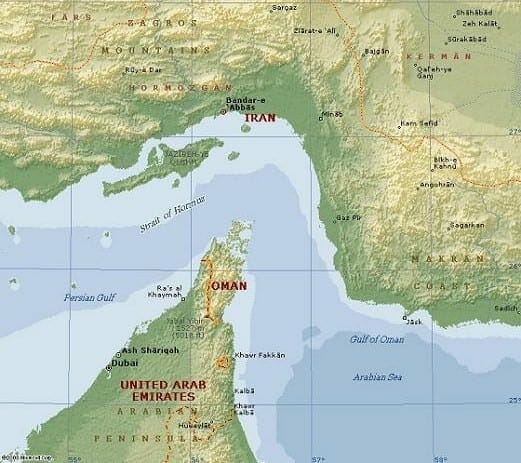
“Many of these demands are clearly unacceptable to the United States” because “they make it difficult for Trump to exit the conflict without giving the impression of having lost the war,” says Arne Lohmann Rasmussen, an analyst at Global Risk Management. The market, which last week was betting on an agreement between the parties, is now worried about the diplomatic stalemate. Iranian Foreign Ministry spokesman Esmail Baqai reiterated on Monday the message repeated in recent days by Tehran: there is no “direct negotiation” underway with Washington. In this context, not even the progress claimed by Tehran with Oman to chart a future passage route through the Strait of Hormuz reassures investors anymore. European gas — often more volatile than oil — has surged even further, driven by concerns about replenishing Europe’s reserves before winter. The Dutch TTF futures contract, considered the European benchmark for gas, rose 10.99% to 61.65 euros per megawatt hour.