Virtual and Physical Trade Show Exhibits: How to Create a Seamless Attendee Experience
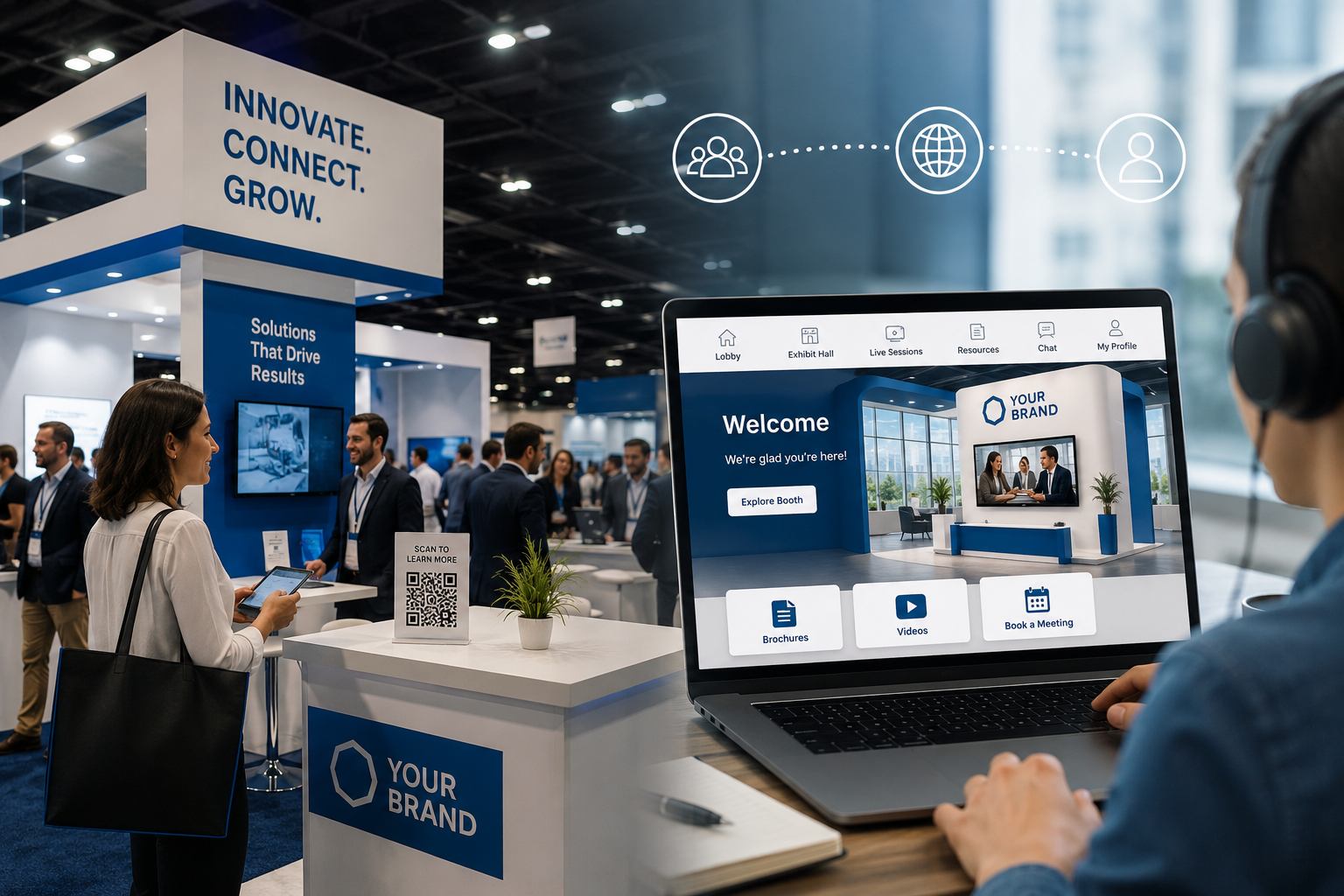
Trade fairs have altered much recently. Although old face-to-face gatherings still matter for building company connections and finding leads, online options have become just as useful parts of current event plans. Instead of choosing one type over another, many firms combine real and digital displays to reach larger audiences, improve accessibility, and extend interest beyond the showground.
Making a good hybrid event means doing far more than just showing slides live or putting items on screens. Current guests want steady results no matter which way they take part. If people come to see your stand face-to-face or connect from somewhere else globally, they need equal messages, chances to talk back, and total brand feel.
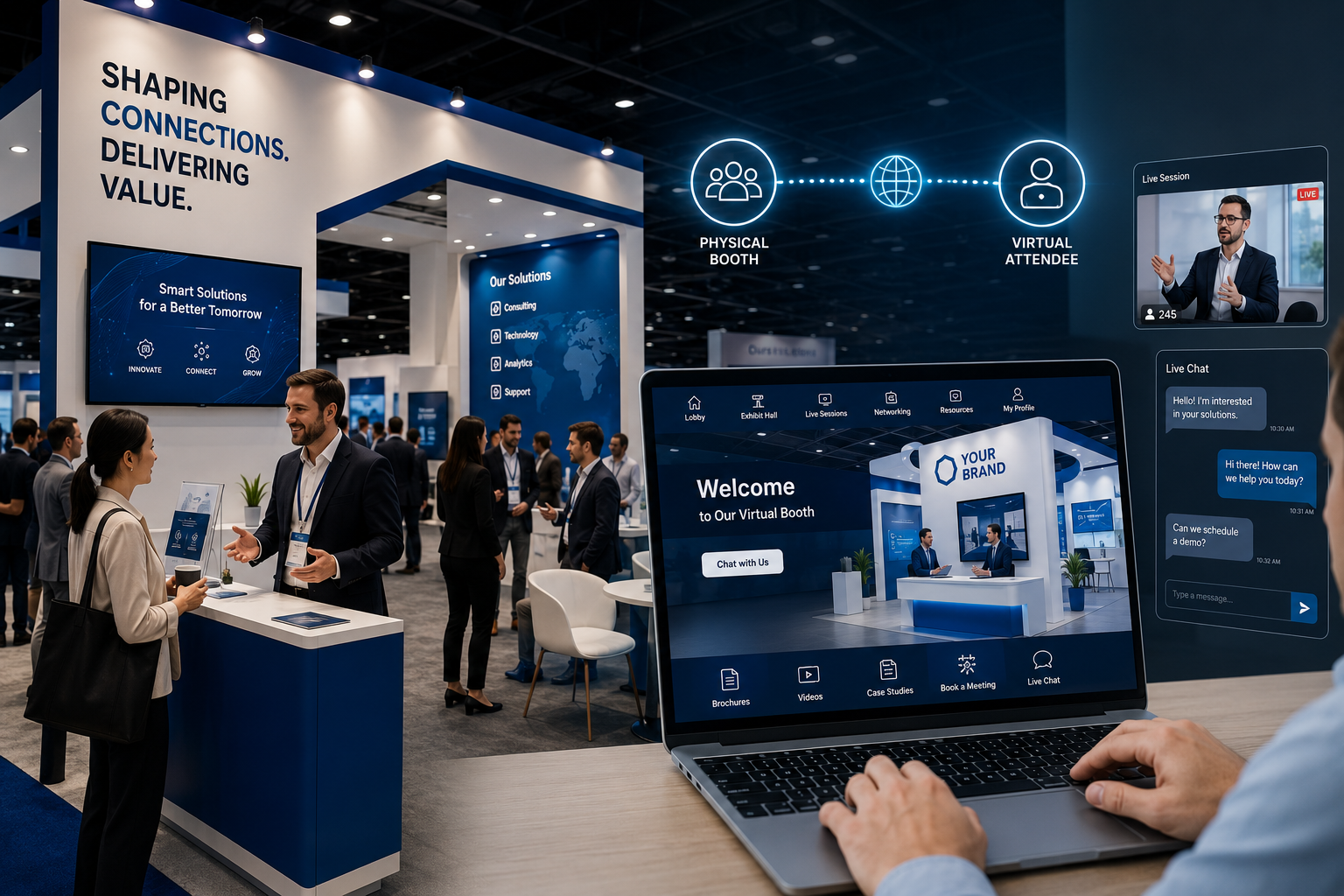
Your trade show exhibits are built with this hybrid reality in mind, designed to anchor a consistent brand identity whether visitors engage in person or online. When digital and real displays operate together, firms boost client engagement, increase lead generation, and optimize value per exhibition spend.
Constructing a Smooth Interaction Between Real and Digital Exhibitions
- Create One Consistent Brand Identity
Every attendee should recognize your brand immediately.
Booth design, digital platforms, marketing materials, presentations, videos, colors, logos, typography, and messaging need to stay consistent on all channels. Familiar branding assists attendees moving between physical and virtual experiences without confusion.
Consistency strengthens recognition and trust.
- Design Interactive Experiences
Engagement should never depend on location.
People coming physically can see product demos, touch displays, talk live, and hear talks. Online guests ought to get live streams, files they download, chat rooms, demo clips, and Q&A parts giving equal worth.
Interactive experiences encourage longer participation.
- Make Information Easy to Access
Attendees value convenience.
Brochures, specs, prices, videos, cases, slides, and contacts must exist within booths and also on digital sites. QR codes at physical shows let guests fast-link to web materials.
Easy access supports stronger follow-up conversations.
- Connect Sales Teams Across Every Channel
Hybrid events require unified communication.
Representatives manning the physical booth need to stay linked with staff aiding virtual guests. Common CRM databases, lead monitoring apps, and inside chat networks aid in making sure each guest gets steady contact no matter where they joined.
A connected team creates a smoother customer journey.
- Encourage Two-Way Communication
Meaningful conversations create stronger business relationships.
Let guests book appointments, join real-time talks, pose queries, send comments, and carry chats past the gathering. Many ways to speak aid each participant in feeling included during the whole journey.
Engagement improves when communication flows naturally.
- Measure Performance Beyond Attendance
Attendance alone does not define event success.
Track lead quality, meeting requests, content downloads, virtual participation, booth engagement, website traffic, social media activity, customer feedback, and post-event conversions. Looking at both digital and physical performance together gives a fuller picture of return on investment.
Better measurement supports better planning.
- Continue Engagement After the Event
Participant engagement can’t stop once the show ends.
Send personal follow-up emails along with product materials, recorded talks, invites to consult, and additional learning materials. Maintaining contact after the event helps strengthen bonds while advancing potential clients along the purchasing path.
Ongoing communication increases long-term value.
- Use Data to Personalize Future Events
Every trade show creates valuable insights.
Both digital and real shows create data on visitor actions. Firms may check which talks drew crowds, items that gained top interest, files people saved, and spots where chats formed good chances. This info helps groups know what fits various listeners well. Even reviewing how past setups performed, including what you learn from your used exhibits, gives you useful signals about what booth configurations and layouts consistently drive the best engagement.
Using such knowledge for upcoming occasions lets firms better design stands, polish online encounters, tailor later messages, and concentrate on tasks yielding the best outcomes.
Data-driven continuous enhancements render each gathering superior to prior ones.
Final Thoughts
Trade shows have gone beyond the four walls of an event hall. Businesses use combined online & offline trade shows to enhance customer relationships, broaden their market, and increase opportunities to get better ROI and leads. Uniform branding, engaging activities, easy-to-find details, linked sales groups, valuable dialogue, result tracking, after-event contact, and fact-based upgrades all help make a smooth visitor path.
If firms see online and onsite shows as one combined journey instead of two distinct gatherings, they create better connections, boost how well events work, and get the most value from each exhibition budget spent.