
What Are The Conditions Like in a Panama Prison?
According to human rights organizations, prison conditions in Panama are widely reported to be harsh, severely overcrowded and under-resourced. Panama’s prison system operates at over 160 percent capacity, holding roughly 24,000 inmates in facilities designed for approximately 15,000 people.
Toilets and showers are in extremely poor condition, and several facilities lack reliable access to potable water.
Prisons do not provide basic items like toiletries, clothing, bedding, or mattresses. Inmates must buy these from prison shops (when available) or rely on family members, lawyers, or embassies to deliver them.
Food quality and quantity are frequently described as precarious, with observers noting visible weight loss among inmates, especially following disruptions to internal prison stores.
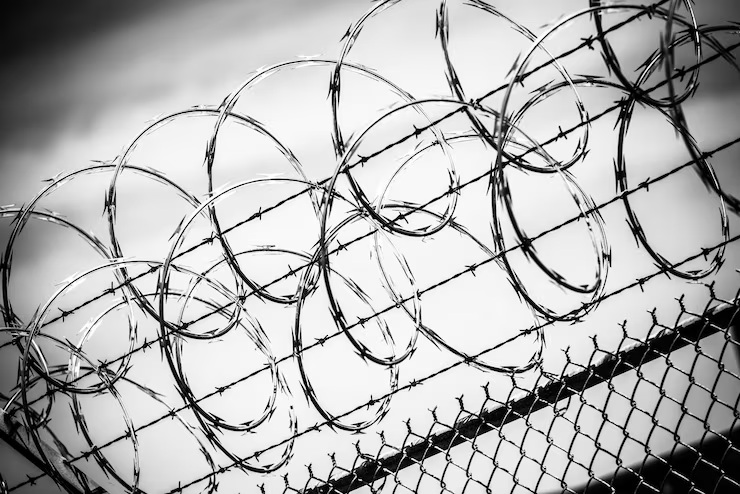
Major complexes like La Joya and La Joyita are converted military barracks that lack modern prison infrastructure, often relying on chain-link perimeter fences rather than concrete walls.
A chronic shortage of medical staff, supplies, and transportation makes treating serious illnesses difficult, contributing to high rates of communicable diseases like tuberculosis.
Despite regular searches, weapons, drugs, cell phones, and drones routinely enter prisons. Understaffed civilian guards struggle to maintain internal control against gang leaders, and extortion is a major threat, particularly targeting foreign nationals.
The Ombudsman, Ángela Russo is awaiting a meeting with authorities from the Ministry of Government and the National Penitentiary System to analyze the situation of incarcerated people and to seek mechanisms to improve the conditions of the Panamanian penitentiary system. “We are calling for everyone, governmental and non-governmental organizations, to come together and find ways to improve the prison system.” According to Russo, the meeting has been moved to the end of next week and will include the participation of government authorities, human rights organizations, representatives of the Church and members of civil society.
Russo explained that the Ombudsman’s Office maintains regular visits to prisons where testimonies from incarcerated individuals are collected, reports are prepared and recommendations are made to the relevant authorities.
Prison conditions, control of penitentiary centers, and the role of the National Police within prisons is under scrutiny, amid allegations from human rights organizations about alleged violations of detainees’ rights.