Panama Monitors Relations as Tensions Rise Over Security and Migration: Marco Rubio Hardens U.S. Line on Cuba
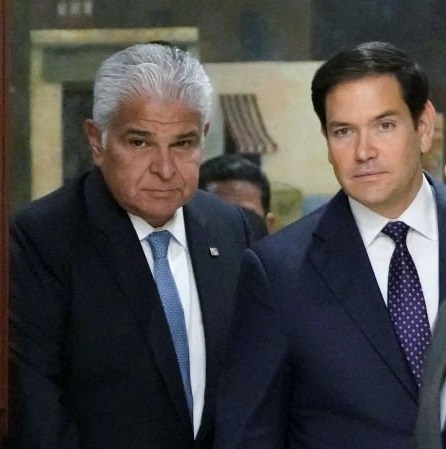
U.S. Secretary of State Marco Rubio said Cuba poses a “national security threat” to the United States and that the chances of a peaceful agreement with Havana are not high. His remarks came one day after Washington accused former Cuban president Raúl Castro in connection with the 1996 shootdown of two civilian aircraft that killed four U.S. citizens. Rubio said diplomacy remains his preference, but argued that President Donald Trump has both the right and the duty to protect the United States from perceived threats. Cuban Foreign Minister Bruno Rodríguez rejected the accusations, calling Rubio’s comments lies and insisting the island has never threatened the United States.
The confrontation underscores how sharply relations between Washington and Havana remain divided more than six decades after the Cuban revolution. The Trump administration has repeatedly pressed Cuba with sanctions and political pressure, while openly signaling support for regime change. Rubio also reiterated the U.S. position that Cuba is among the region’s main state sponsors of terrorism, a claim Cuba denies. For Panama, the dispute matters because instability in Cuba can ripple across the wider Caribbean and Central America through migration, diplomacy and regional security debates.
Any escalation in U.S.-Cuba tensions often shapes the agenda in multilateral forums where Latin American governments, including Panama, monitor relations among major regional actors. Cuba is facing a severe fuel crisis, prolonged blackouts and food shortages, conditions worsened by what Cuban officials describe as the impact of the U.S. oil embargo. Rubio said Havana has accepted a U.S. offer of $100 million in humanitarian aid, even as the political confrontation deepens. The Cuban government has argued that Washington’s measures are designed to weaken the island’s economy and isolate its leadership.
Trump, speaking from the White House, described Cuba as a “failed country” and said his administration was trying to help on humanitarian grounds. He also suggested Cuban Americans want to return and support the island’s recovery. Those comments fit a long-standing pattern in U.S. policy, where pressure on Havana has alternated with limited openings for engagement depending on the administration in power. Washington’s new criminal charges against Raúl Castro add a legal dimension to an already tense diplomatic dispute.
The case follows a long history of unresolved grievances tied to the 1996 shootdown, an episode that still resonates in Cuban-American politics, especially in Florida. U.S. officials have not detailed how they would seek custody of Castro, while the Justice Department has signaled it expects him to appear in the United States voluntarily or otherwise. Rubio also announced the detention of Adys Lastres Morera, whom he identified as the sister of a senior figure in a military-run Cuban conglomerate. He said she had been living in Florida while helping the Cuban government, and that immigration authorities will hold her during deportation proceedings.
The move reflects the administration’s broader strategy of pairing diplomatic pressure with immigration enforcement and sanctions-linked messaging. The next developments will hinge on whether Washington follows up the charges and detention with further punitive measures, and whether Havana responds with its own diplomatic or legal moves. For regional governments, the key question is whether the standoff remains rhetorical or spills into a wider security and migration crisis across the Caribbean basin.
For Panama, the dispute matters because instability in Cuba can ripple across the wider Caribbean and Central America through migration, diplomacy and regional security debates.