How Influencers Use Beauty Retouching to Build a Consistent Online Identity
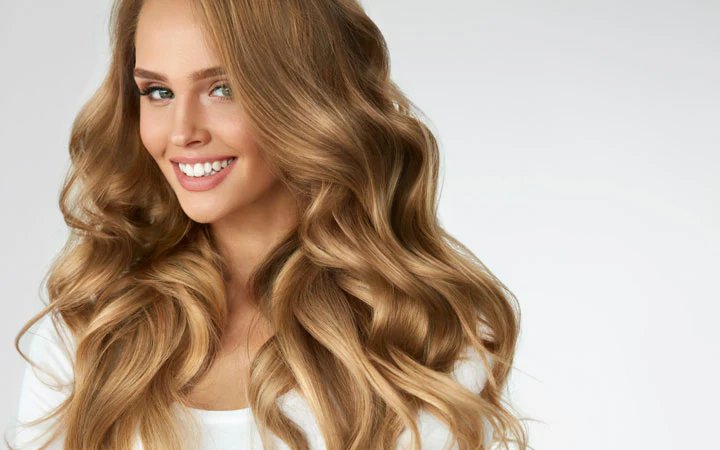
There is an unspoken agreement between influencers and their followers that is rarely spoken but is felt right away when someone visits a well-curated Instagram profile. The pictures seem planned. The lighting looks the same in each frame. Whether it’s a morning selfie or a polished brand collaboration, the skin tones are warm, the backgrounds echo each other, and the mood stays the same. That consistency in the pictures isn’t by chance, and it doesn’t come from just one good camera or a lucky golden hour. It comes from a disciplined, repeatable editing process, specifically beauty retouching that is done consistently and with a creative purpose.
Influencers who have built recognizable personal brands understand something newer creators often miss: your editing style is as much a part of your identity as your voice or niche. Working with a skilled beauty retoucher has become a standard part of the professional workflow for creators who treat content production as a business rather than a pastime. The difference is immediately visible. Instead of publishing images that shift in tone, contrast, and skin rendering depending on whatever lighting conditions happened that day, a professionally retouched feed reads like a single, continuous visual story, and audiences register that fluency even when they cannot name exactly what they are responding to.
The Visual Standard Has Risen, And It Is Not Slowing Down
Over the past few years, the standard for what people think is polished on Instagram has changed a lot. In the early 2020s, all you needed to look good was a good preset and some basic brightness changes. By 2026, viewers have seen so much high-quality content that their eyes have learned to spot inconsistencies, even if they can’t put their finger on what looks wrong. How well a profile fits together at first glance has a small effect on both follower retention and post engagement. When a person opens a page and sees pictures that are scattered in color temperature, unevenly lit, or inconsistent in how they show skin, it makes them think that the person didn’t mean to do it, which lowers trust before they even read a caption.
This is not about manufacturing some artificial ideal of perfection. It is concerning the message that visual consistency conveys. A cohesive feed conveys consistency, attention to detail, and a sense of self – aspects that the brand managers and marketing teams are actively pursuing when considering influencer partnerships. The technical excellence and aesthetic unity of your image, in a creator economy that has now become increasingly competitive on all levels, are among the few things that are completely under your control.
Why Skin Tone Rendering and Color Grading Define the Foundation
When creators talk about their editing process, most of them revert to the topic of presets and filters. These are tools on the surface, and although they help to create an aesthetic, they do not do the actual job of creating them across a feed. The actual work occurs at a more granular level – in the way that skin tones can be made to look under various shooting conditions, and how the relationships of colors can be managed in different backgrounds and lighting situations.
The casts of colors on the skin by natural light, studio flash, and window-diffused light are all dissimilar. Even an artist who captures images of the same place and same equipment can end up with images that appear totally unrelated once they are displayed next to each other, unless deliberate action is taken to correct the situation. It is the gist of the issue that professional retouching is correcting, and it is way beyond what a preset can take care of automatically.
What Frequency Separation Actually Contributes
Retouchers have the ability to treat skin texture and skin tone as completely distinct factors with advanced editing methods such as frequency separation. Rather than dulling the complexion and blurring the lines in the process, this technique isolates tonal discrepancy – reddish areas, spots, the effects of harsh lighting, and fixes them without interfering with the texture of the skin itself. Natural detail, fine lines, and pores are not lost. The outcome is something that looks truly good, not something that has been doctored, which is of paramount importance in a world where over-retouched images have started to become unreliable.
Color grading functions as the second structural pillar. A consistent grade – whether it skews toward warm amber tones, cooler editorial neutrals, or a softly desaturated film look – acts as visual mortar between images. When applied rigorously by someone who understands how different complexions and backgrounds absorb color shifts, grading creates the kind of signature that audiences start to associate with a creator before they even process the content of the image itself.
What Professional Beauty Retouching Services Actually Deliver
Serious retouching is a professional service that involves a set of steps, rather than a filter that is run or a favor given to a friend with Photoshop. End-to-end models such as Beauty Retouching Studio offer a user to upload images along with the creative direction, choose a level according to the level of work needed, and usually get finished files within 24 hours. The process incorporates revision rounds, which are essential to influencers with a particular aesthetic in mind and require results that reflect it accurately and not roughly.
The difference in levels of service implies real variations in scope. Simple retouching deals with simple cleanup – cleaning up spots, adjusting exposure, and matching colors. The more expensive retouching is much more expensive:
- refining facial features,
- enhancing skin texture with precision tools,
- correcting clothing wrinkles,
- removing distracting background elements,
- compositing elements for campaign-quality imagery.
For creators who publish both casual daily content and premium sponsored posts, having both levels accessible within the same professional service means the entire content library holds together visually, regardless of how much production effort went into any individual shot.
Making Retouching Part of a Long-Term Brand Strategy
The most effective creators do not treat retouching as a finishing step – they build it into the strategy from the start. Rather than editing each image in isolation and hoping the results feel cohesive over time, they define a visual direction and use consistent professional editing to enforce it at scale. Every image that moves through the retouching process reinforces the same color relationships, the same approach to skin rendering, and the same overall atmosphere.
That accumulated repetition is precisely what builds recognition. Audiences begin associating a particular visual feeling with a creator well before they consciously register it. It operates by the same logic as a well-developed brand identity – familiar at a glance, distinctive without effort. For influencers operating in an environment where attention is fragmented and competition increases by the month, visual consistency achieved through professional retouching is not a stylistic preference. It is a structural advantage.