
What Role Do Witnesses Play When Liability Is Disputed?
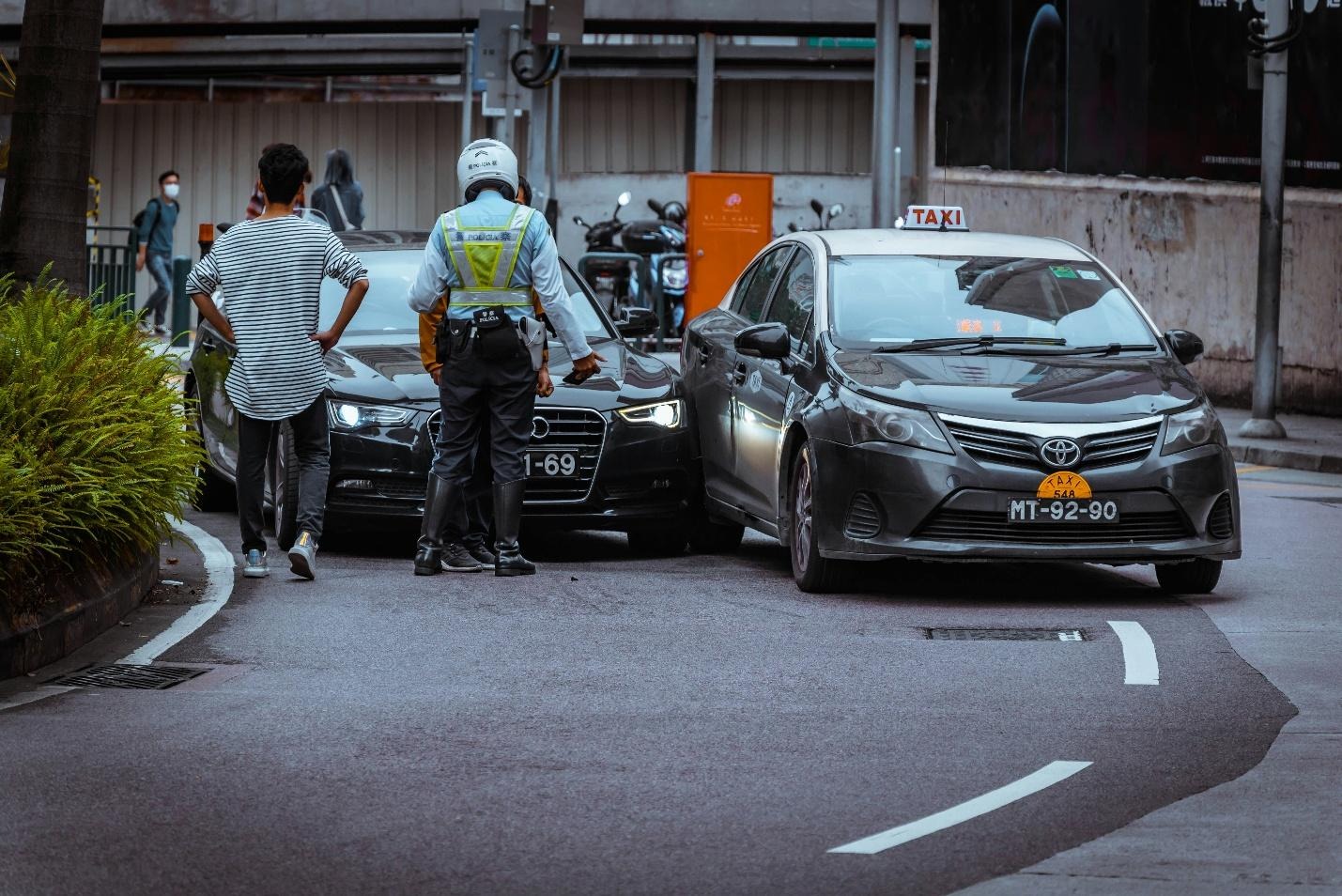
Witnesses help explain what happened when people disagree about who caused an accident. Their statements can support the facts, clear up conflicting stories, and sometimes reveal details that would have been missed without another set of eyes.
This becomes especially important in distracted driving accidents, where drivers may disagree about whether someone was texting, looking away from the road, or otherwise driving carelessly. A neutral witness who saw a driver using a phone, eating behind the wheel, or drifting into another lane may provide details that are difficult to prove through other evidence alone.
While witnesses do not automatically determine fault, their statements can create important connections between physical evidence, accident reports, and each person’s version of events. This article explains the key ways witnesses can influence liability disputes in detail.
How Witnesses Can Strengthen a Liability Dispute
Here are the important roles witnesses play in liability disputes:
Corroborating Evidence
A witness can back up facts already presented by other evidence. Maybe they saw a driver ignore a stop sign or noticed brake lights never came on before impact. Those observations can match what investigators find at the scene.
According to the NHTSA, distracted driving caused 3,275 deaths in the United States in 2023. Investigators often rely on witness statements to support other evidence provided by either party to understand what really happened in many of those crashes. This makes the case stronger.
Adding Credibility to a Claim
Insurance companies hear conflicting stories every day. This naturally makes them cautious. This makes an independent witness who has nothing to gain often carry more weight than someone directly involved in the accident.
This doesn’t mean the witness is automatically right. Still, a neutral account can make a disputed claim much more believable.
Filling in Possible Gaps
Accidents happen in seconds, and memories don’t always keep up. No one remembers everything after a frightening event. People often remember the big moment, like the crash itself, but smaller details can fade quickly.
Someone standing on the sidewalk might remember hearing a horn seconds before impact. Another person could recall seeing a vehicle speeding through traffic several blocks earlier. Small details like these may seem ordinary at first, but they often help explain how the collision unfolded.
Establishing Fault
Fault is often built from evidence and not opinions. Witnesses help connect the facts, which helps insurers or courts determine whether someone acted carelessly.
In many states, comparative negligence laws may also reduce compensation if more than one person shares responsibility. For example, injured parties can recover damages even when they are partly at fault, though the award is reduced by their percentage of responsibility.
What Types of Witnesses May Be Used?
Not every witness plays the same role. Each brings something different to the case.
Eye Witness
Eyewitnesses describe what they personally saw or heard. They may remember traffic signals, road conditions, weather, or how drivers behaved just before the collision.
Expert Witness
Some questions and cases require technical knowledge. In such cases, experts such as accident reconstruction specialists, engineers, or medical professionals may testify under Federal Rule of Evidence 702 to explain evidence that most people cannot interpret on their own.
Character Witness
Character witnesses are not so common when it comes to injury cases. However, they may be called when a person’s honesty or reputation becomes relevant to the dispute.
Common Challenges with Witness
People can honestly remember the same event differently. Stress has a way of affecting memory. What someone believes they saw can be affected by distance, poor lighting, bad weather, or a blocked view.
Time creates another challenge. Memories can naturally fade weeks or months after an accident. That’s why it is important for lawyers to speak with witnesses as early as possible while the details are still fresh.
Courts understand these limitations and, as such, will not accept witness testimony at face value. The judges usually compare it with physical evidence, photographs, surveillance footage, phone records, and police reports before deciding liability.
Final Thoughts
Whenever liability is disputed, witnesses often provide the missing pieces in the hope that it will help the facts make sense. Their testimony oftentimes can strengthen a claim, confirm important details, and challenge inaccurate accounts.
Still, the strongest cases rarely depend on witnesses alone. They combine credible testimony with solid evidence, careful investigation, and the law.
Key Takeaways
- Witnesses help clarify what happened when liability is disputed.
- Independent witnesses often make claims more believable.
- Witnesses can confirm evidence, fill missing details, and help establish fault.
- Eyewitnesses, expert witnesses, and character witnesses serve different purposes.
- Courts compare witness testimony with physical evidence before making decisions.
- Speaking with witnesses early helps preserve accurate memories and strengthens a case.