Protein is Changing the Rules of the Industry. Available at Your Supermarket.
Dairy companies are betting on fortified products as interest grows in foods with higher nutritional value.

If you have been to the supermarket lately, you have probably noticed. Protein is no longer just for athletes and supplements; it has become a category that is gaining shelf space and a significant share of consumers’ budgets. Yogurts, bars, cereals, drinks, and other products now compete to include a word on their labels that has become a key selling point: protein. The shift reflects a consumer trend that extends beyond food. There is a growing focus on wellness and healthy aging, and the industry has seized this conversation as an opportunity to develop new products, reformulate existing ones, and create entire categories around protein. Behind that label lies a growing market.
Traditional brands and new players are hungry for consumers willing to pay for products that promise more protein, while the supermarket becomes one of the main battlegrounds in this new fight for the shopper’s wallet. The question, then, is not just how much protein a person needs. It’s also how much money this trend is generating, what the industry is offering, and where the market is headed. The trend is not just a coincidence or a perception; it is also reflected in international market projections, according to information from Fortune Business Insights. In Panama, although there are no indicators that show in specific data how much this product segment has grown, industry representatives assure that the trend is already beginning to be reflected not only on supermarket shelves with imported products, but also in national production.
Ricardo Adolfo Pérez pictured below, president of the National Association of Milk Processors (Anaprole), acknowledges that several companies in the sector have begun to incorporate higher protein content in products such as evaporated, whole or fluid milk and yogurts. “There is a trend towards protein as a new focus of innovation in dairy products,” said Pérez, who explained that the market is moving from offering only traditional products to “developing alternatives” with claims related to their nutritional content.

According to him, at least three or four companies associated with Anaprole are already working on protein-fortified products, and he acknowledged that the creation of these products responds to consumers’ interest in consuming food in a practical way that offers a greater nutritional contribution. “Consumers are looking for products that provide high levels of protein but low levels of fat or low levels of sugars, for example,” he explained. Trends like these are driving changes in how the industry processes milk. Pérez explained that ultrafiltration allows for the concentration of some of its components and the development of products with higher protein content. He also highlighted the use of whey, a byproduct of cheese manufacturing, which can be processed to obtain protein concentrates that are subsequently used as ingredients in various foods.
Protein Content in Dairy Products.
According to the president of Anaprole:
1
Fresh milk can provide between 3% and 3.4% protein per 100 grams
2
Yogurts can contain between 3% and 5%.
3
In fresh cheeses, the content is between 15 and 22%.
4
In mature cheeses, the protein content can be between 24% and 26%.
From the food industry, this characteristic has also driven the development of fortified products. Vanessa Leone pictured below, a nutrition, health and wellness specialist at Nestlé Central America, explained that dairy products are among the categories they are working on the most because they serve as a vehicle for incorporating various nutrients such as vitamins, minerals and proteins.

“In general, the population is more aware and has much more information available and accessible about health.”
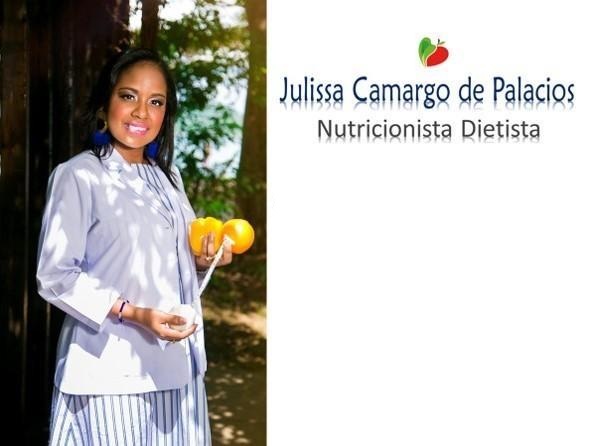
However, the specialist warned that a greater presence of protein products does not necessarily mean that everyone needs to increase their consumption. Julissa Camargo de Palacios, a nutritionist-dietitian and specialist in food and nutritional security (SAN) at the University of Panama, stated that proteins have become increasingly important due to their relationship with the maintenance of muscle mass, since maintaining an adequate percentage of muscle at different stages of life contributes to the degree of health and well-being. The specialist made an important point about what also happens in the market. Some products highlight certain nutritional properties on the front of the packaging, but upon closer inspection of their composition, it is found that they contain sugars and food additives.
“Maintaining muscle mass depends on other nutrients as well, not just protein. Therefore, it is essential to consult with a qualified Registered Dietitian Nutritionist in Panama.” says Julissa Camargo de Palacios. Nutritionist-Dietitian pictured below.
The surge in demand for high-protein products comes at a particularly challenging time for the Panamanian dairy industry. During the first quarter of 2026, production of evaporated, condensed, and powdered milk fell by 35.4%, while pasteurized milk production decreased by 5.3%, and raw milk used in the production of dairy products declined by 11.6%.