The Science Behind KLOW: Exploring GHK-Cu, BPC-157, TB-500, and KPV
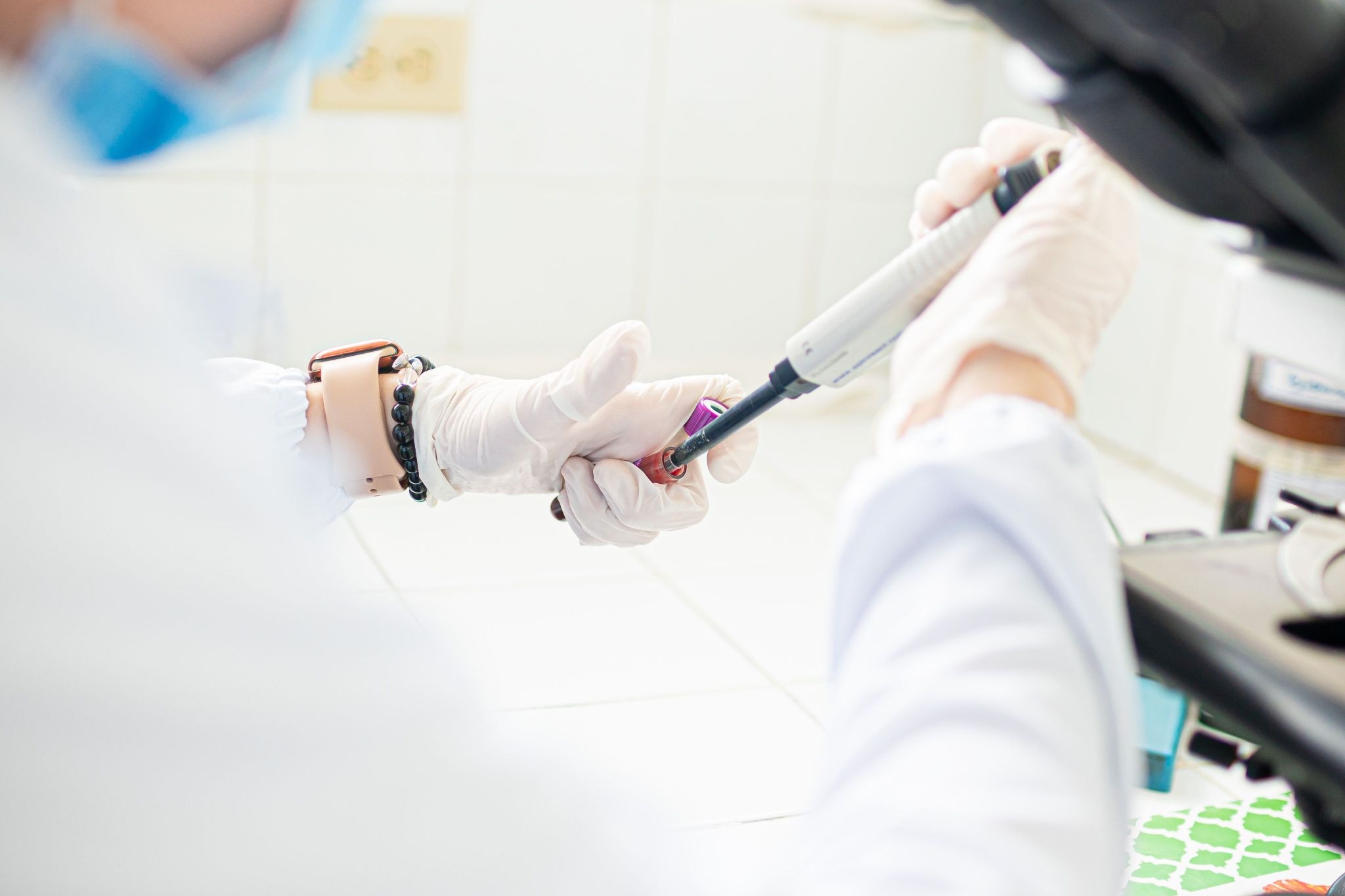
Guest Contribution – The KLOW blend is one of the more interesting peptide formulations to emerge from the recent trend toward multi-peptide research, and the science behind it is fascinating.
The KLOW blend is a formulation that brings together four peptides with complementary yet distinct areas of scientific interest: GHK-Cu, BPC-157, TB-500, and KPV. Each of these are already well researched and have found applications in various research areas ranging from tissue biology and cellular migration to inflammatory signaling, extracellular matrix remodeling, and immune regulation.
However, new interest has emerged in combining these compounds to increase their complementary action to potentially achieve far more potent effects. Instead of focusing on a single biological pathway, these multi-peptide combinations are designed around the idea that complex biological systems often involve numerous interconnected signaling networks working simultaneously.
For researchers interested in exploring the KLOW blend, it’s worth taking a few minutes to understand the science behind each component and the role it plays within the broader formulation. Much of KLOW’s growing popularity stems from the fact that its four ingredients investigate different aspects of cellular function rather than repeatedly targeting the same mechanism.
GHK-Cu: The Copper Peptide and Cellular Renewal Research
GHK-Cu is perhaps the most recognizable peptide within the blend when it comes to regenerative and longevity-focused discussions.
Originally identified in human plasma, GHK-Cu is a naturally occurring copper-binding tripeptide that has been studied for decades. Researchers have explored its relationship with collagen production, extracellular matrix remodeling, tissue maintenance, angiogenesis, and gene expression associated with cellular repair processes.
Part of what makes GHK-Cu so fascinating is its broad biological reach. Unlike peptides that appear connected to a single pathway, GHK-Cu has been investigated across multiple areas of research involving skin biology, connective tissue health, wound healing models, and age-related cellular changes.
Some studies have suggested that GHK-Cu may influence thousands of genes involved in repair and maintenance pathways, helping explain why it continues to attract interest from researchers studying healthy aging and regenerative biology.
This wide-ranging research profile is one reason formulations such as the KLOW Blend from Eternal Peptides have generated growing interest within the peptide community. By incorporating GHK-Cu alongside peptides that investigate complementary biological processes, the blend brings together several distinct areas of research within a single formulation.
Within the KLOW blend, GHK-Cu provides a foundation centered on extracellular matrix health and cellular renewal, complementing the other peptides that focus on cellular migration, tissue biology, and inflammatory signaling pathways.
BPC-157: A Peptide Associated With Tissue Repair Pathways
BPC-157 remains one of the most widely discussed peptides in the research community, especially in terms of recovery and cellular regeneration.
Derived from a protein sequence originally identified within gastric tissue, BPC-157 has been explored in numerous preclinical models involving soft tissue repair, angiogenesis, vascular signaling, and cellular migration. Researchers have investigated its interaction with pathways related to tendons, ligaments, muscles, gastrointestinal tissues, and vascular biology.
One reason BPC-157 has maintained its popularity is its apparent versatility. Rather than being associated with a narrow area of research, it has appeared across multiple fields of investigation involving tissue integrity and adaptive repair mechanisms.
Researchers have examined how BPC-157 may interact with signaling pathways such as VEGFR2-Akt-eNOS and focal adhesion kinase systems, both of which play important roles in cellular communication and tissue remodeling.
Within the KLOW blend, BPC-157 contributes a layer focused on tissue biology and adaptive repair responses, helping broaden the blend’s overall scientific scope.
Its role becomes even more interesting when viewed alongside the other ingredients in the formulation. While BPC-157 research often focuses on signaling pathways related to vascular biology and tissue integrity, TB-500 research frequently centers on cell movement and cytoskeletal dynamics.
That’s why researchers exploring topics related to inflammation biology and immune signaling often encounter compounds such as the KPV Peptide formulation by Nuway Peptides, which has attracted growing interest for its potential involvement in inflammatory pathways, epithelial barrier function, and gastrointestinal research models.
Together, these complementary areas of investigation help explain why multi-peptide formulations such as KLOW have attracted increasing attention from researchers interested in studying interconnected biological systems rather than isolated mechanisms.
TB-500: Investigating Cellular Movement and Regeneration
TB-500 is a synthetic version of a naturally occurring peptide fragment derived from thymosin beta-4.
Research involving TB-500 has often focused on cellular movement, actin regulation, angiogenesis, and tissue remodeling. Scientists have explored how the peptide may influence processes related to cell migration and cytoskeletal organization, both of which play important roles in biological repair mechanisms.
This is one reason TB-500 is frequently discussed alongside BPC-157. While the two peptides are often grouped together, they are typically associated with different biological pathways.
BPC-157 research tends to focus heavily on signaling pathways and tissue adaptation, whereas TB-500 investigations frequently center on cellular mobility and structural remodeling. Together, they provide complementary perspectives on biological repair processes.
Within the blend, TB-500 expands the blend’s focus beyond tissue signaling and into the cellular mechanics involved in recovery and regeneration.
KPV: The Peptide That Makes KLOW Different
While all four peptides contribute something unique, KPV is arguably the ingredient that most clearly distinguishes the KLOW blend from earlier peptide blends.
Known simply as Lys-Pro-Val, KPV is a short tripeptide derived from the final three amino acids of alpha-melanocyte-stimulating hormone (α-MSH). Despite its small size, KPV has generated substantial interest because it appears to retain many of the anti-inflammatory properties associated with its parent hormone. Research has shown that KPV may exhibit anti-inflammatory activity comparable to, and in some models greater than, full-length α-MSH.
Unlike BPC-157, TB-500, or GHK-Cu, which are often discussed in the context of tissue repair and regeneration, KPV has become particularly interesting in studies involving inflammatory signaling, immune modulation, barrier tissue health, and gut-related research. Researchers have investigated its interactions with pathways such as NF-kB, a key regulator of inflammatory responses.
The growing interest in the standalone KPV Peptide reflects a larger trend within peptide research. Inflammation is increasingly viewed as a central factor across numerous biological systems, from tissue repair to metabolic health and cellular resilience. As a result, KPV has emerged as one of the more closely watched peptides in this area of investigation.
Why Researchers Are Interested in the Combination
The appeal of the KLOW blend is not that it contains four popular peptides. The appeal is that those peptides represent four different but potentially complementary areas of biological research.
- GHK-Cu contributes extracellular matrix and cellular renewal pathways.
- BPC-157 contributes tissue repair and vascular signaling pathways.
- TB-500 contributes cellular migration and structural remodeling pathways.
- KPV contributes inflammatory and immune-related pathways.
Together, these mechanisms create a blend that aligns with a systems-biology approach, where researchers explore how multiple biological processes interact rather than studying individual pathways in isolation. This concept has become increasingly influential in areas such as longevity science, recovery research, regenerative biology, and resilience-focused investigations.
Final Thoughts: A Multi-Pathway Approach to Peptide Research
Researchers are increasingly interested in understanding how multiple biological systems work together rather than viewing repair, inflammation, regeneration, and cellular maintenance as separate processes. The four peptides within the KLOW formulation each represent a different piece of that puzzle.
While research into these compounds continues to evolve, the scientific interest surrounding KLOW highlights a larger trend: the future of peptide research may increasingly focus on how multiple pathways interact, adapt, and influence one another within complex biological systems.
________________________________________________________________________________________________________________
Advertisements placed in our Guest Contribution sections are in no way intended as endorsements of the advertised products, services, or related advertiser claims by NewsroomPanama.com, the website’s owners, affiliated societies, or the editors. Read more here.