A Multi-Stop Panama Adventure: How Families Can Add to a Panama Canal Visit
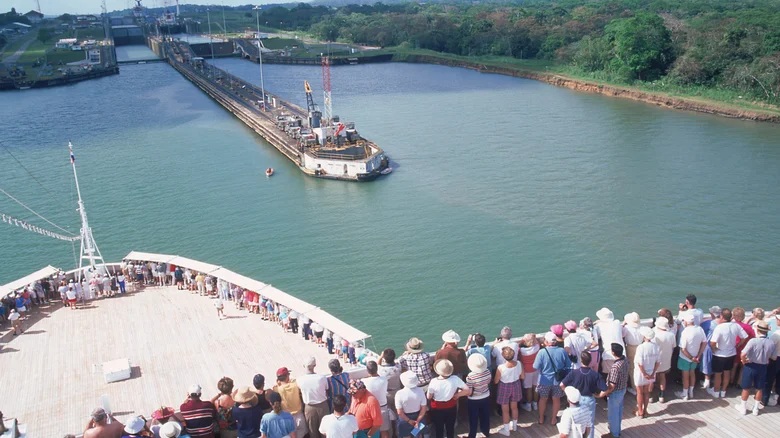
Panama continues to stand out as one of the most family-friendly destinations in Central America, combining one of the world’s most important waterways with easy day trips, wildlife encounters, and a historic city center. A visit focused on the Panama Canal can be expanded into a broader family itinerary that mixes engineering, nature, and culture without requiring long travel times. The most iconic stop is the Miraflores Locks, where visitors can watch large cargo ships move through the canal system that links the Atlantic and Pacific oceans. For families, that experience offers a rare chance to see global trade in action from a safe viewing area, while also giving children a concrete example of how geography and engineering shape everyday commerce.

The Panama Canal is more than a transit route; it is one of the country’s defining attractions and a major part of Panama’s identity. A family trip built around the canal can be educational without feeling structured, since children can see the scale of the locks, the movement of vessels, and the practical role the canal plays in international shipping. That makes it especially appealing for parents looking for a destination that combines sightseeing with learning. Because many of the best-known canal viewpoints are close to Panama City, families can build a short trip around one base rather than moving constantly between destinations. That reduces travel fatigue and makes it easier to pair a canal visit with city sightseeing, park time, or a guided tour that includes wildlife viewing.
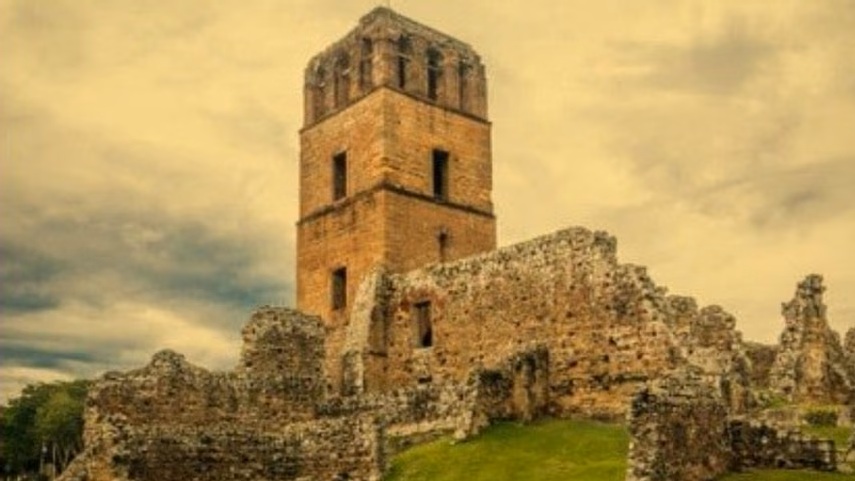
Panama’s appeal for families extends well beyond the lock chambers. Jungle tours near the capital can bring visitors into contact with monkeys and other wildlife, adding a nature component that contrasts with the industrial setting of the canal. These outings give children a different view of the country’s biodiversity and show how close urban life and tropical ecosystems are in Panama. Casco Viejo, the historic district of Panama City, adds another layer to the trip. Its colorful streets, restored buildings, and walkable layout make it a useful stop for families who want an afternoon away from the canal itself. The neighborhood also helps connect Panama’s modern role as a logistics hub with its colonial-era history and urban culture.
For travelers planning a Panama Canal-centered holiday, the key advantage is flexibility. The canal can be the anchor of a trip, with nearby attractions filling out the schedule in ways that suit different ages and interests. Families interested in engineering can focus on the locks and ship traffic, while those looking for downtime can mix in urban sightseeing and short wildlife excursions. Panama’s compact geography around the capital makes this type of itinerary practical, especially for families traveling with children who may not tolerate long transfer times. The result is a destination that can feel both ambitious and manageable: a place where a world-famous canal visit can be paired with a jungle encounter and a stroll through one of the country’s most atmospheric neighborhoods. For Panama, that combination reinforces a broader tourism strength. The country is not just a transit point between oceans; it is a destination that can deliver history, nature, and big-engineering spectacle in a single family trip.