The Hammerhead Shark in Panamanian Waters: Protection is Strengthened
The hammerhead shark is a vulnerable species and central to the balance of the Panamanian marine ecosystem.

A Memorandum of Understanding to strengthen the protection of sharks focused on the hammerhead shark and rays in the region was signed between the Charles Darwin Foundation and the Ministry of Environment. It is noted that the hammerhead shark is a vulnerable species and central to the balance of the Panamanian marine ecosystem. In this collaboration, the foundation provides applied research, technical assistance, and a regional network that Panama can directly benefit from, while it was announced that work will focus on four key areas.
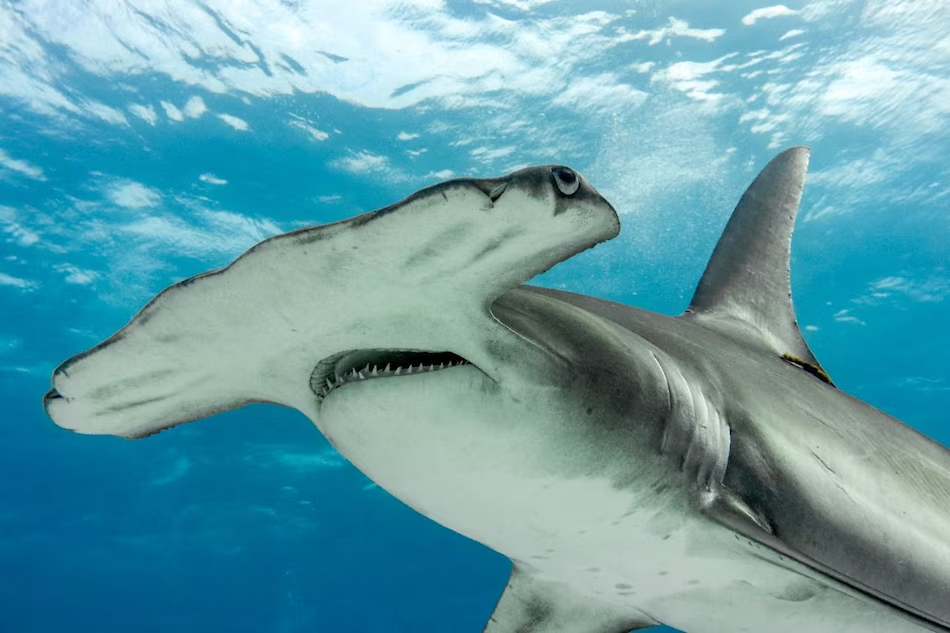
One of these focuses is on scientific matters, where cross-border research will be conducted on the hammerhead shark and its ecosystems, generating data that Panama, as a country in the Eastern Tropical Pacific Marine Corridor, can use for shared management decisions. In the second area, the Charles Darwin Foundation will provide technical input to help design stronger regulatory frameworks for sharks and rays. The third area focuses on local communities. This will involve training programs for stakeholders in the artisanal fishing sector to support their transition toward species conservation.
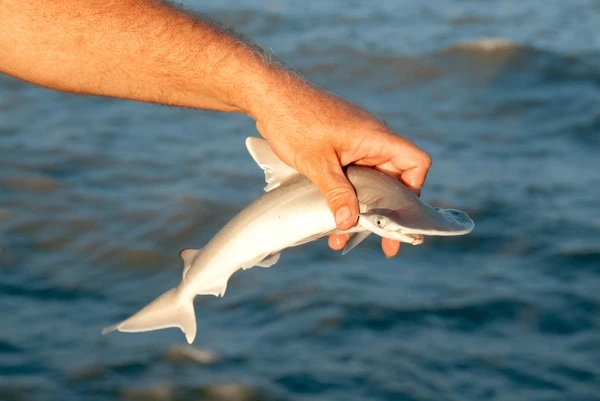
With regard to the fourth axis, it is explained that the aim is to ensure that this transition has financial backing, exploring innovative blue economy mechanisms aligned with the World Trade Organization’s Agreement on Fisheries Subsidies. “This effort will allow us to provide technical and scientific support for the design and implementation of an updated regulatory framework on sharks and rays in Panama, a priority issue in which we have made significant progress, but where important challenges remain,” said the head of MiAmbiente, Juan Carlos Navarro.
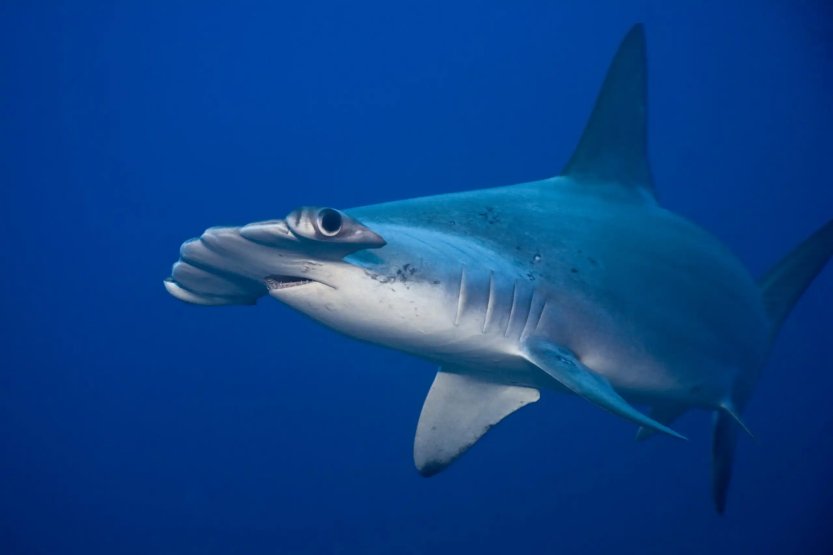
Pelayo Salinas de León, co-principal investigator of the foundation’s shark ecology and conservation program, emphasized that Panamanian waters are critically important for the species’ survival. “Safeguarding ecological connectivity along this transboundary migratory corridor is imperative,” de León stressed.