The New Administrator of the Panama Canal will be Ilya Espino de Marotta
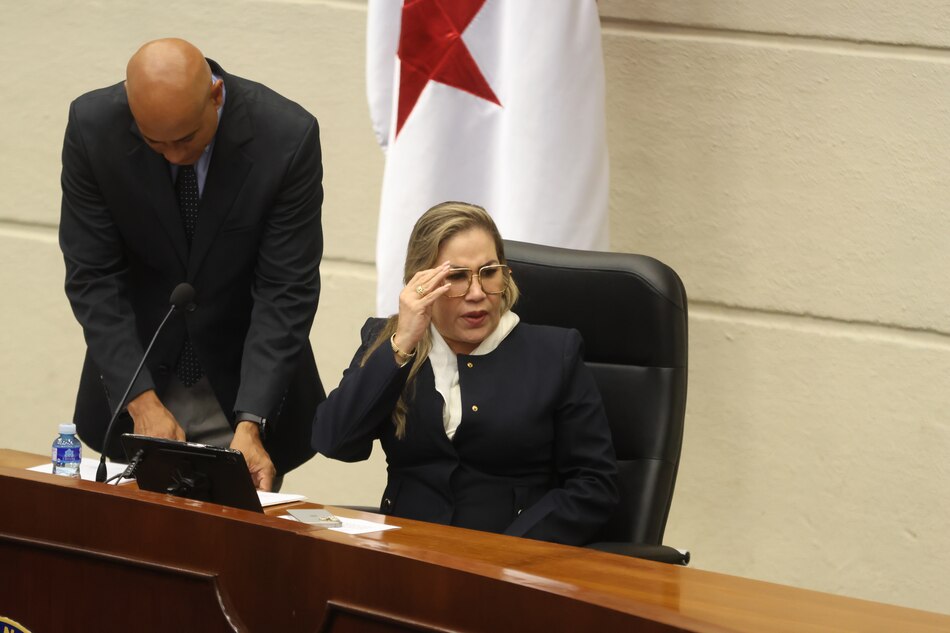
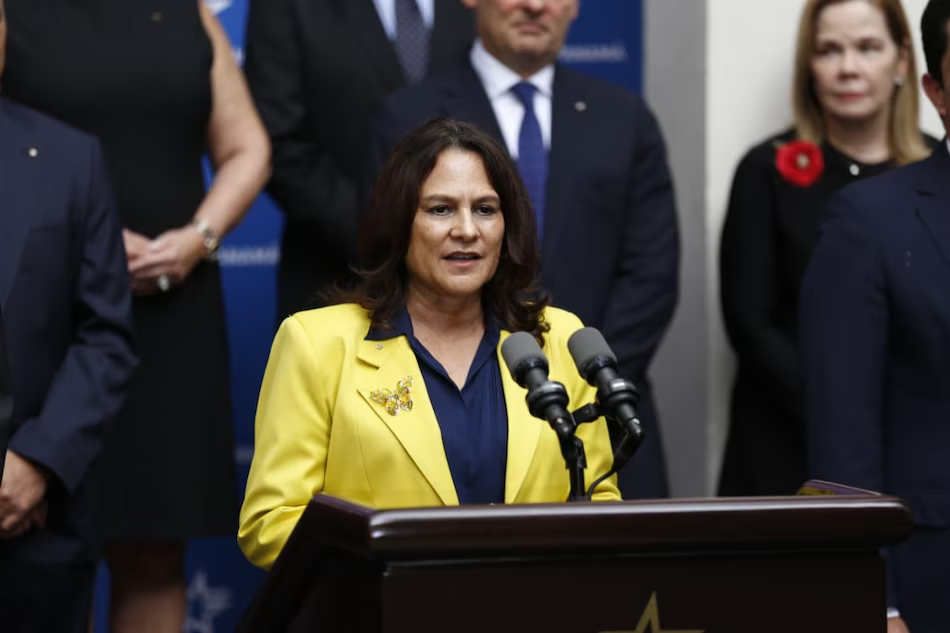
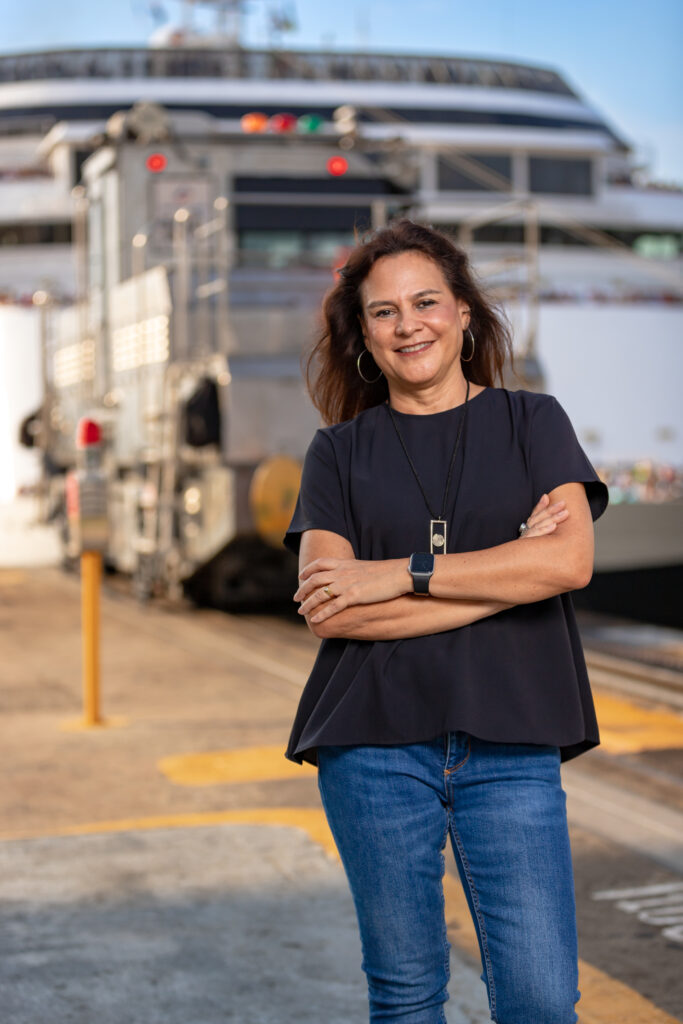
Pictured below is Ilya Espino de Marotta, new administrator of the Panama Canal.

Ilya Espino de Marotta will be the new administrator of the Panama Canal, a decision made this Thursday, May 21, by the Canal board of directors. “I am committed to continuing to do my best for our country, supporting our clients, ensuring that future, that strategic planning we have so that Panama continues to grow,” were some of Espino de Marotta’s first words after the announcement. Panamanian President José Raúl Mulino announced the appointment of Ilya Espino de Marotta as the next administrator of the Panama Canal, taking office on October 1.
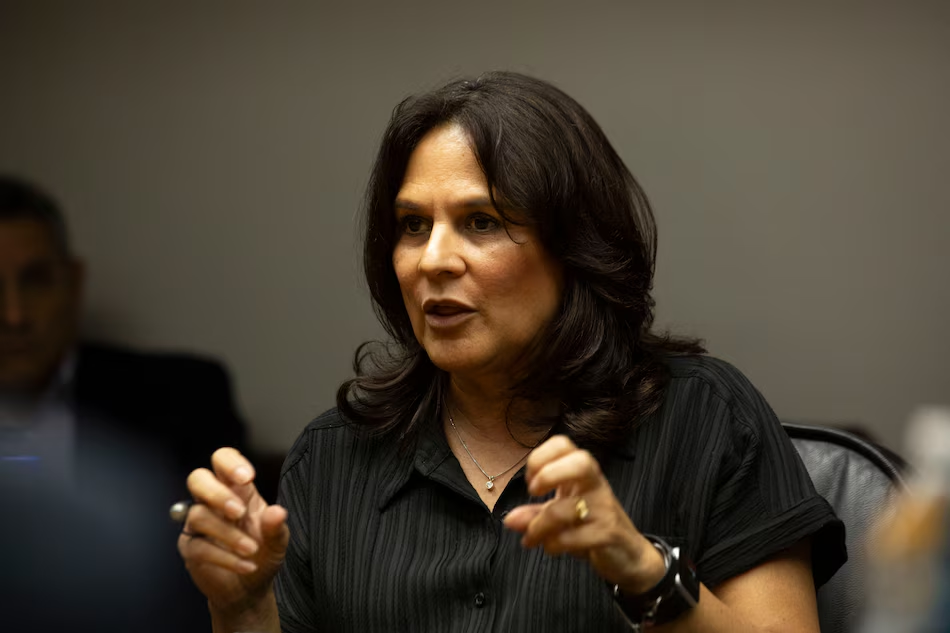
The pivotal “battle” facing her leadership is overcoming severe climate-driven water crises, which threaten the future viability of the canal against fierce geopolitical and economic rivalries. She went from traveling to Colón by train 40 years ago to get to her job as a temporary employee of the Panama Canal, to becoming the leader of this same company, one of the most important in the region. Today she has been appointed as the administrator of the Panama Canal, the highest position in the entity, but this is not an achievement that occurred by luck or chance. While thousands of ships crossed the maritime route, Ilya Espino de Marotta was quietly building a historic career within the interoceanic waterway.
The Climate and Water Management Crisis
- The Problem: The canal’s primary locks system uses roughly 51 million gallons of water from Lake Gatún per transiting vessel. Recurring droughts driven by intensifying El Niño patterns and climate change have depleted water reserves.
- The Response: The authority—and Espino de Marotta in her prior role as Chief Sustainability Officer—have laid out an $8.5 billion investment plan over the next five years to achieve sustainability and secure water. The key operational battle involves advancing massive infrastructure projects, most notably the controversial Río Indio reservoir, to secure adequate fresh water for both canal transit and Panama City’s potable supply.
Geopolitical and Economic Pressures
- Superpower Tensions: The canal finds itself squeezed between U.S. and Chinese global trade rivalries. Recent shifts, including Panama taking control of critical ports previously held by a Hong Kong-based subsidiary, have drawn heavy U.S. scrutiny and generated friction with Beijing.
- Bypassing and Competition: Prolonged drought-related capacity restrictions (which cut daily transits significantly at their lowest points) have incentivized shipping giants to look for alternatives. This has forced the authority to battle for relevance against other trade routes, including a $7.5 billion land-bridge railway project in Mexico meant to compete with canal transit.
Marotta’s Strategic Vision

- Engineering Heritage: Marotta, who has been with the canal since 1985, is celebrated as the first female deputy administrator and previously led engineering for the monumental $5.25 billion Panama Canal Expansion Program.
- Vision 2035: Under her leadership, the canal is transitioning to a heavily data-driven, climate-resilient reservation model. Her administration’s ultimate battle is to balance the competing demands of global maritime transit and local environmental needs, permanently removing the necessity to limit ship tonnage or transits during future dry seasons.

You can track the canal’s ongoing climate initiatives and capacity updates directly via the Panama Canal Authority.