A Sign of the Times: More than 1100 Auditors and Observers will Monitor the Presidential Elections in Colombia
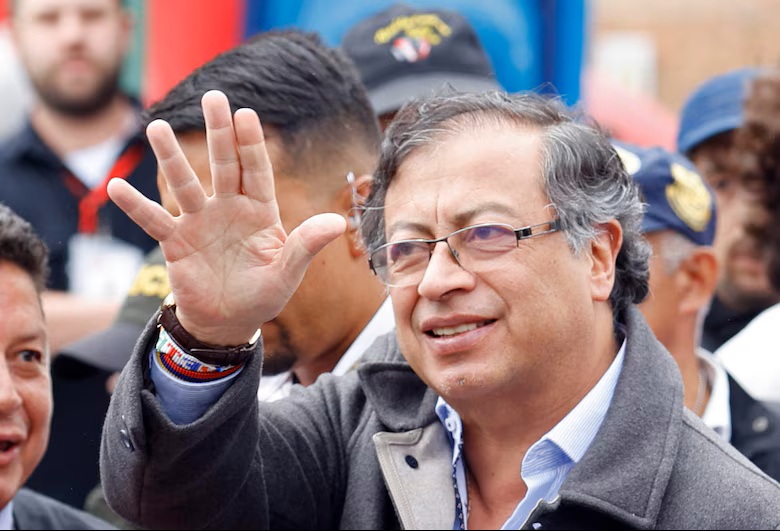
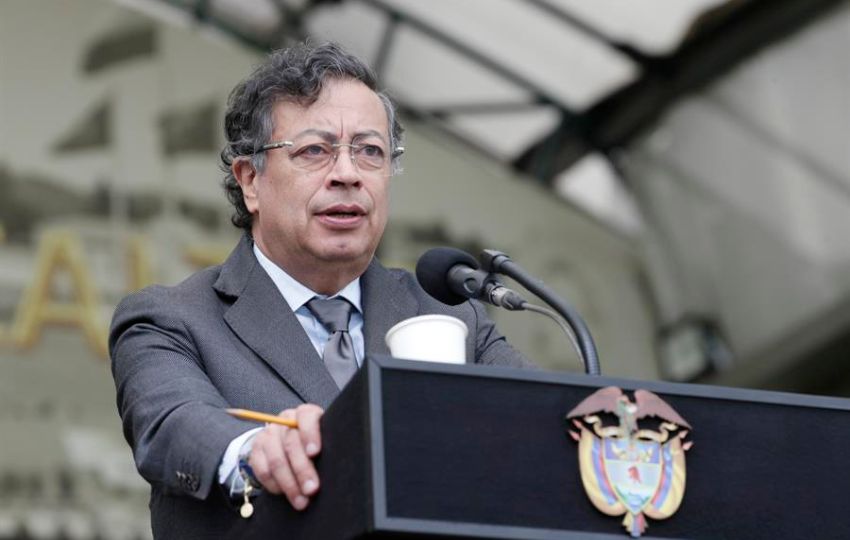
President Gustavo Petro pictured below continues to question the security of the Colombian elections. The first round of voting will be on May 31st.
A total of 1,188 national and international auditors and observers have been accredited to monitor the presidential elections in Colombia, whose first round will be on May 31, the National Electoral Council (CNE) confirmed this Saturday. According to the electoral authority, the accreditations correspond to three areas of supervision: technical audit of the electoral systems, international observation and national observation, with the aim of guaranteeing independent and plural monitoring of the process. The CNE assured that this will allow “the process to be verified simultaneously by organizations of different political origins, diplomatic missions, multilateral organizations and specialized citizen oversight bodies.”
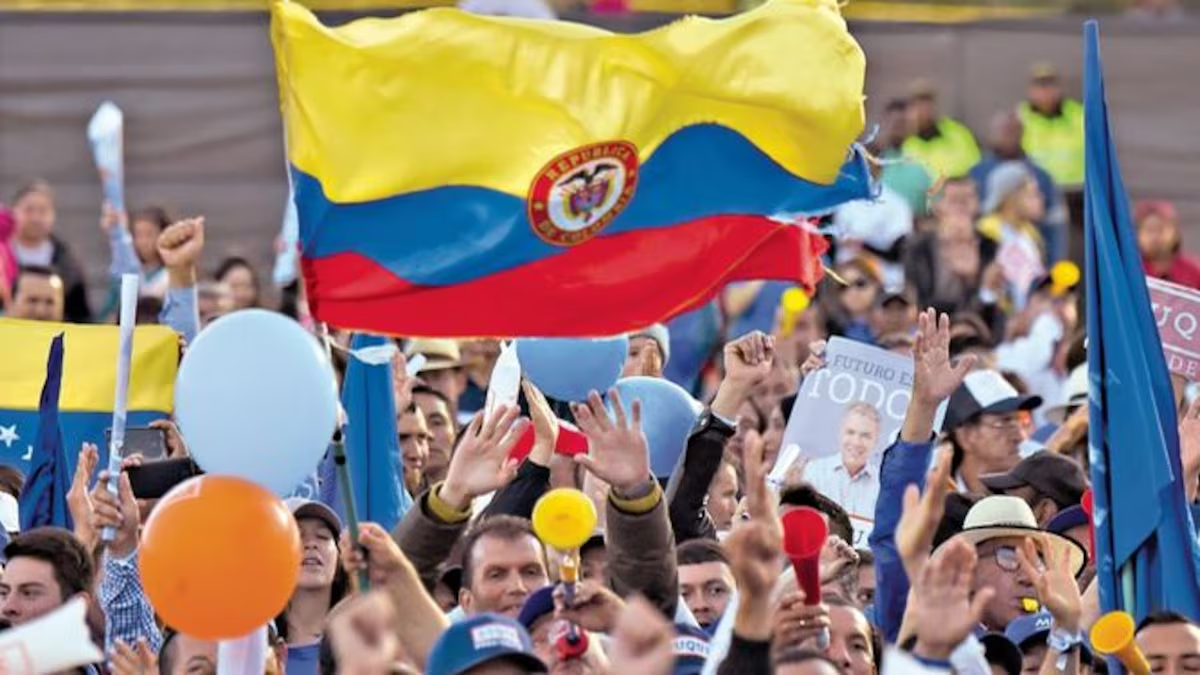
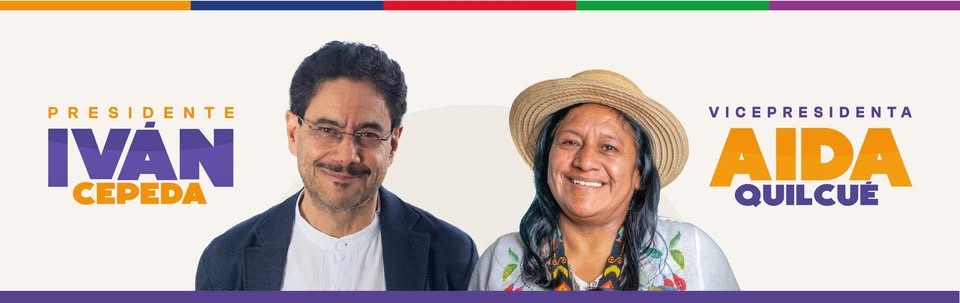
Of the total number of accredited individuals, 879 will perform systems auditing functions, including delegates from the CNE itself, political parties, citizen movements, and electoral observation organizations. The CNE has 475 internal auditors, while the official movement Historical Pact of candidate Iván Cepeda accredited 122 and the opposition party Democratic Center, of candidate Paloma Valencia, registered 95. Also participating are groups such as Defenders of the Homeland of the far-right candidate Abelardo de la Espriella, Dignity & Commitment of the centrist candidate Sergio Fajardo, and the NGO Electoral Observation Mission (MOE).
In the international component, 229 observers belonging to seven multilateral and diplomatic organizations were accredited, including delegates from the United States Embassy, the European Union (EU) and the International Republican Institute (IRI). For its part, the MOE will deploy 80 national observers in different regions of the country to conduct citizen and independent monitoring of the different phases of the electoral calendar. The organization added that “independent and multilateral verification is an essential part of the democratic framework and a clear message against any attempt to question the integrity of the process.”

The organization of the elections has been marked in recent weeks by questions from President Gustavo Petro about the security of the electoral process, the conditions of transparency and the reliability of the technological systems that will be used on the day of May 31. Petro has criticized the electoral software and has requested international audits of the pre-counting system. In addition, he is demanding access to the source code used by the National Registry, the entity in charge of the logistics of the elections. The president has insisted that a broad review of the systems is necessary to “strengthen electoral transparency,” while the Registrar’s Office and various political sectors have defended the institutional soundness of the process.
Violence and Alarms are Raised in Colombia Ahead of the May 31 Vote
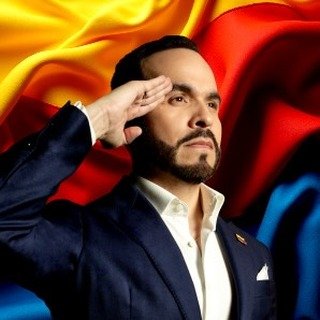
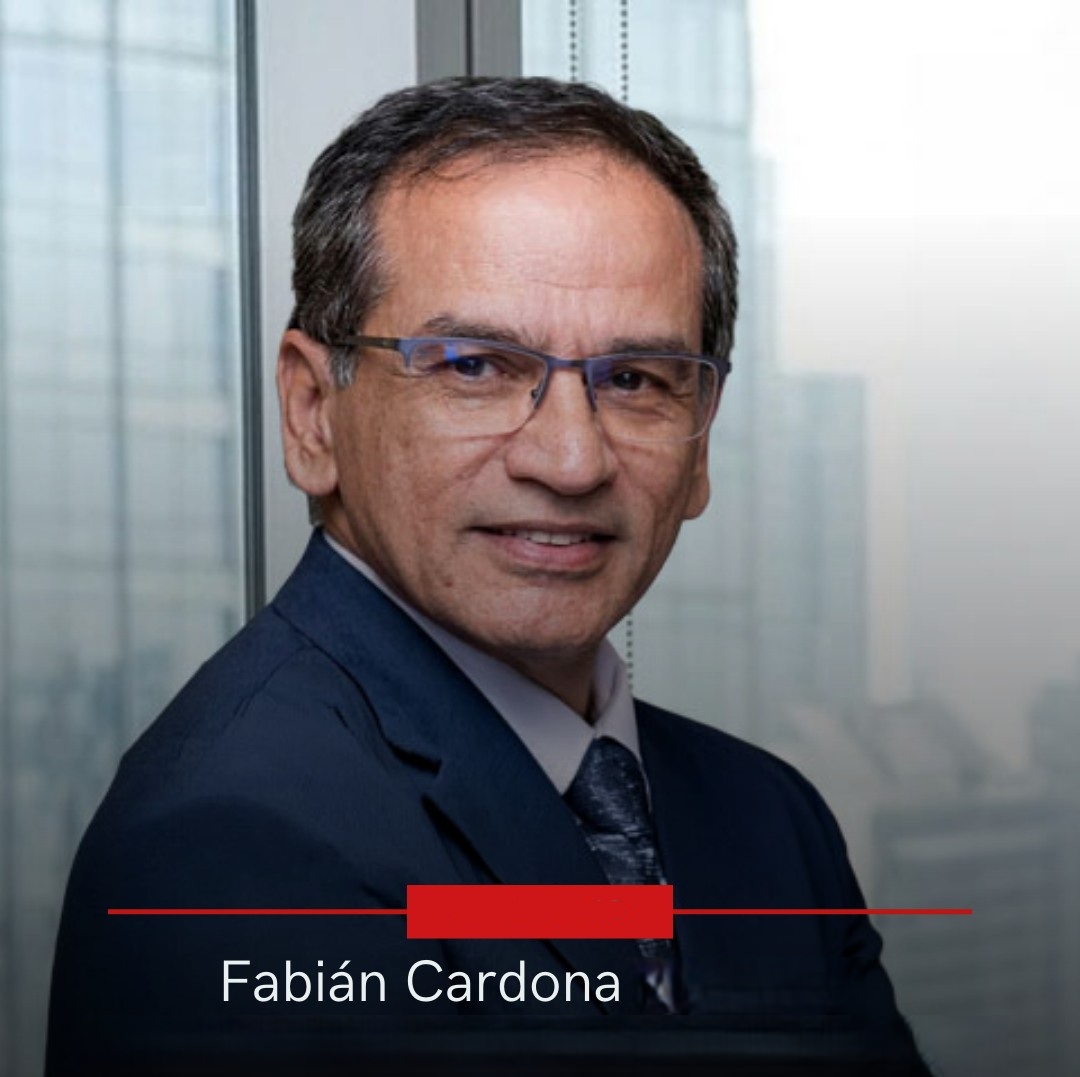
A former mayor and campaign coordinator for Colombian presidential candidate Abelardo de la Espriella pictured above was shot dead in Cubarral, Meta, in an attack that also killed a former municipal official. The killing of Rogers Mauricio Devia Escobar pictured below, who served as mayor of Cubarral from 2020 to 2023, adds to growing concern over political security in the final stretch before Colombia’s May 31 elections. Devia, 42, was killed on Friday night along with Fabián Cardona, a former secretary of government in the same municipality. Jaime Andrés Beltrán, national regional manager for De la Espriella’s campaign, said Devia had spent the day in Villavicencio, the Meta capital, collecting campaign materials before returning to his municipality, where he was attacked by unknown assailants.
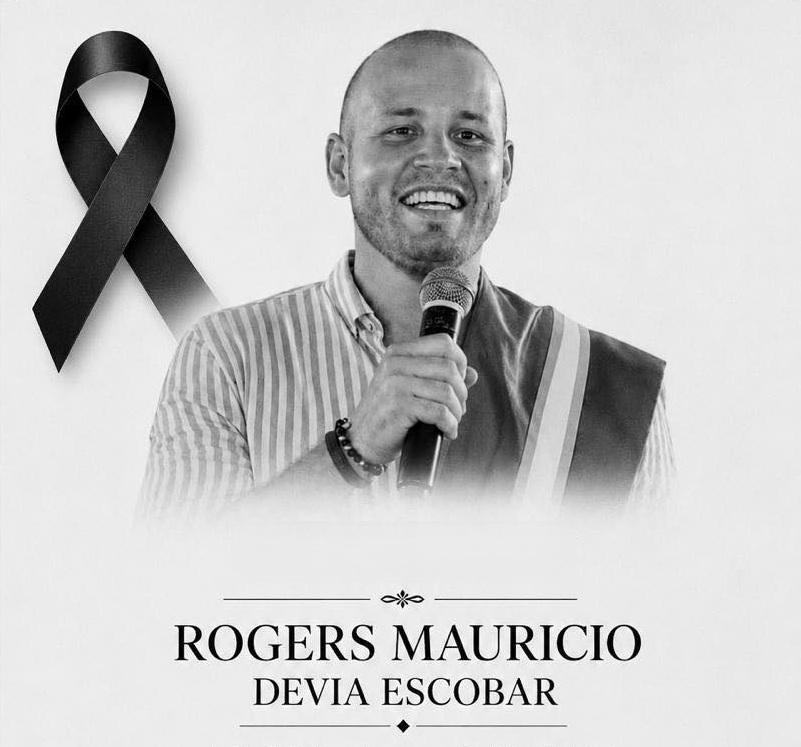
De la Espriella, who leads the Defensores de la Patria movement, said Devia above and Cardona, pictured below, were killed while supporting the campaign and described them as victims of political violence. The candidate is currently running second in the polls behind Iván Cepeda (pictured below Fabian Cardona) of the left-wing Pacto Histórico, the party of President Gustavo Petro. The attack lands at a sensitive moment for Colombia, where campaign activity is intensifying and local political leaders are increasingly exposed to threats. In a country with a long history of armed conflict and intimidation of public figures, the killing of regional political organizers can have a chilling effect on turnout, public debate, and the ability of candidates to build support outside major cities.
For readers in Panama, the case is a reminder of how instability in neighboring Colombia can influence the broader region, especially in border departments and cross-border security discussions. Violence targeting political figures tends to deepen concern about governance, public safety, and the conditions for democratic competition in the Andean region. Colombia’s Ombudsman’s Office said the double homicide is especially serious because it occurred in an electoral context and directly affects political participation in the territories. The agency also reported an attempted attack in Cubarral against Julián Cardona, a former mayoral candidate for the conservative Centro Democrático party, who escaped unharmed after gunfire struck his vehicle.
The Ombudsman’s Office called the violence, threats, and intimidation a direct threat to democratic coexistence and urged authorities to move quickly to investigate the crimes and protect those taking part in politics. Colombia’s Attorney General’s Office also condemned Devia’s killing and called for swift clarification of the case and stronger protection for political actors during the campaign. The latest attack follows the May 7 killing of Mileidy Villada González, pictured below, a Centro Democrático figure and president of the municipal council of Obando, in Valle del Cauca.
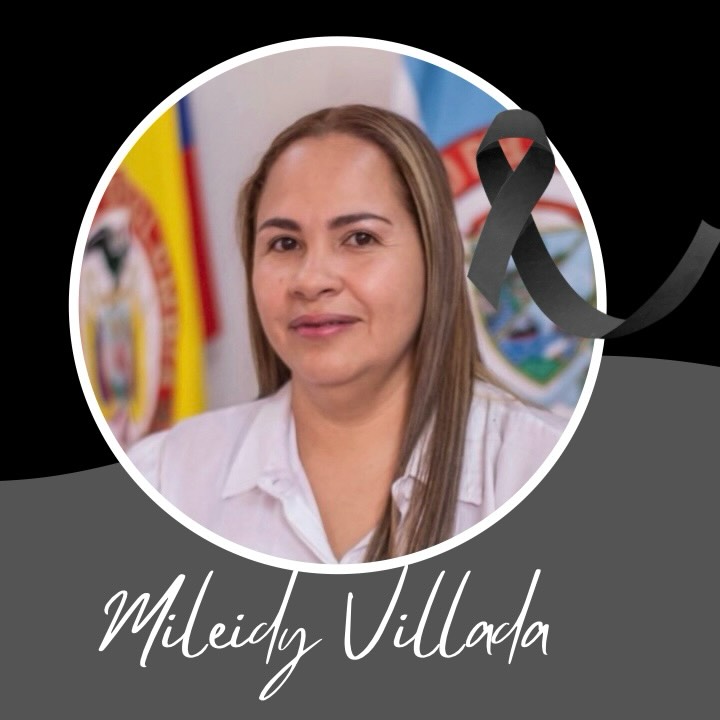
That earlier murder already prompted renewed complaints from opposition figures about the lack of security guarantees for local leaders, especially in areas where armed groups, criminal networks, or political rivalries can overlap. The immediate focus will be on the investigation in Meta, where authorities face pressure to identify the gunmen, determine whether the attacks were politically motivated, and assess whether more candidates or campaign workers are at risk. With the election just two weeks away, the case is likely to intensify debate over state protection for local political actors and the safety of campaigning in rural municipalities.