A Regional Ambition Put to the Test: The Panama-Costa Rica Rail Corridor

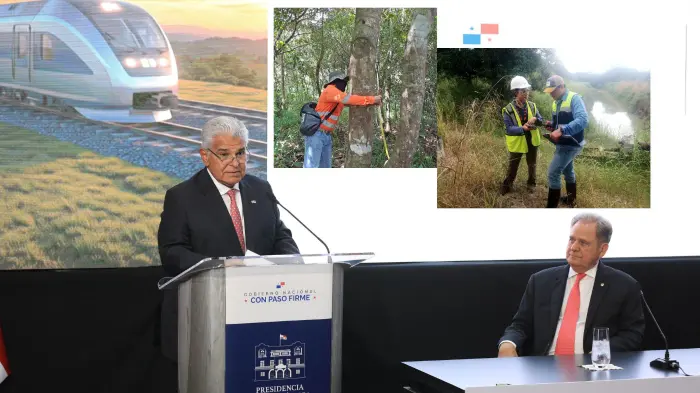
Panama and Costa Rica presented their vision for a regional rail corridor connected to ports, free trade zones and logistics centers, with the goal of extending the network to the rest of Central America and Mexico. The Panama-David-Border train project has begun to take shape as the basis for a future Central American rail corridor. As presented at the event held in Panama City, the initiative envisions connecting ports, free zones, logistics centers, and production areas from the Panamanian Pacific to Costa Rica, with the aspiration of later expanding the connection to the rest of Central America and Mexico.
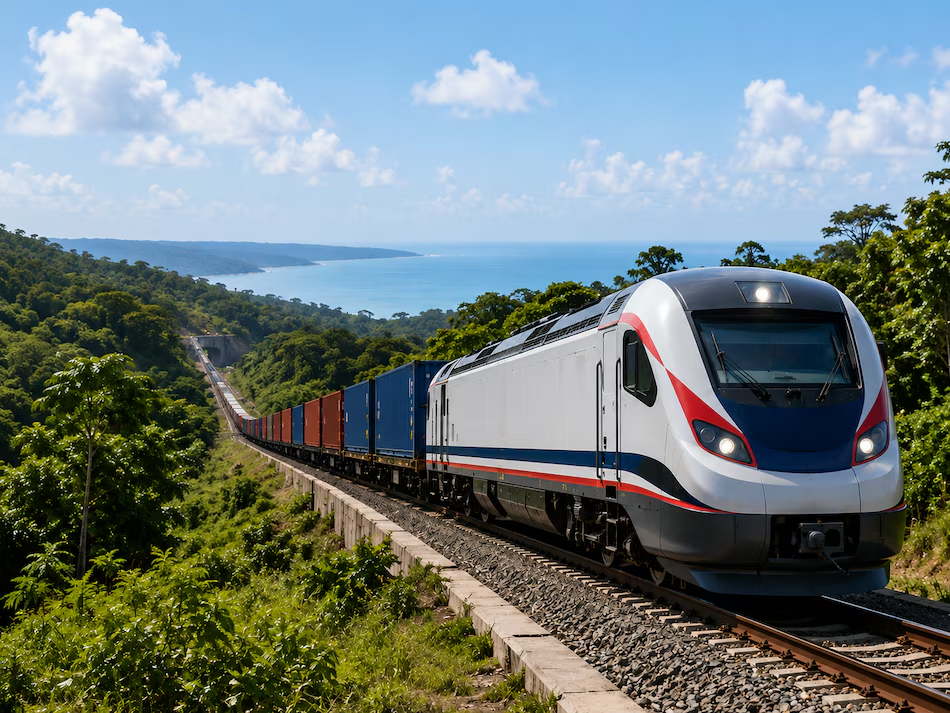
Panama and Costa Rica are Actively Planning and Taking Formal Steps to Build a Cross-Border Railway Connecting Panama City to the Costa Rican Border
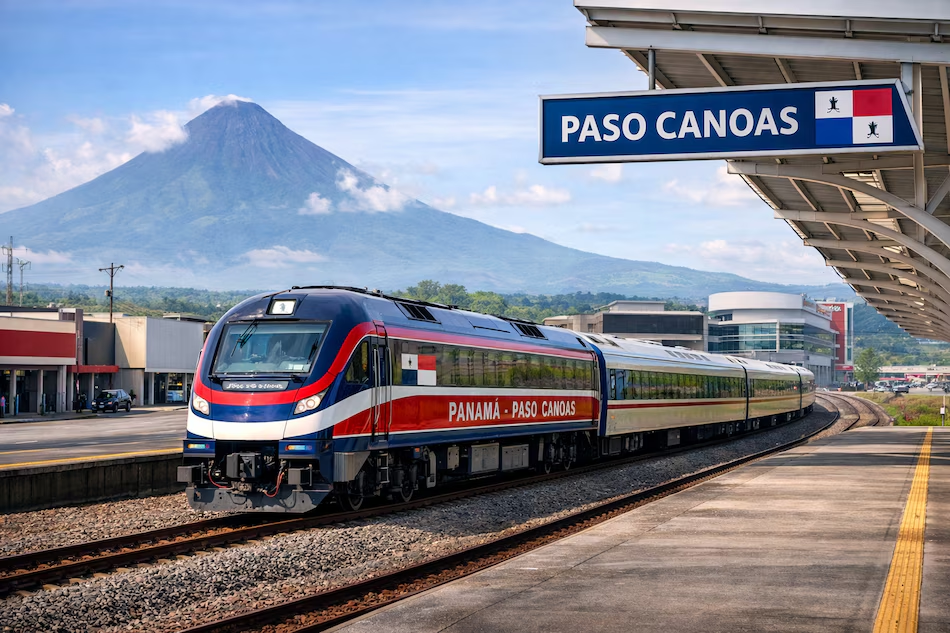
The ambitious cross-border link is in its pre-investment and planning phases, with development progressing on the following fronts:
The Route & Scope
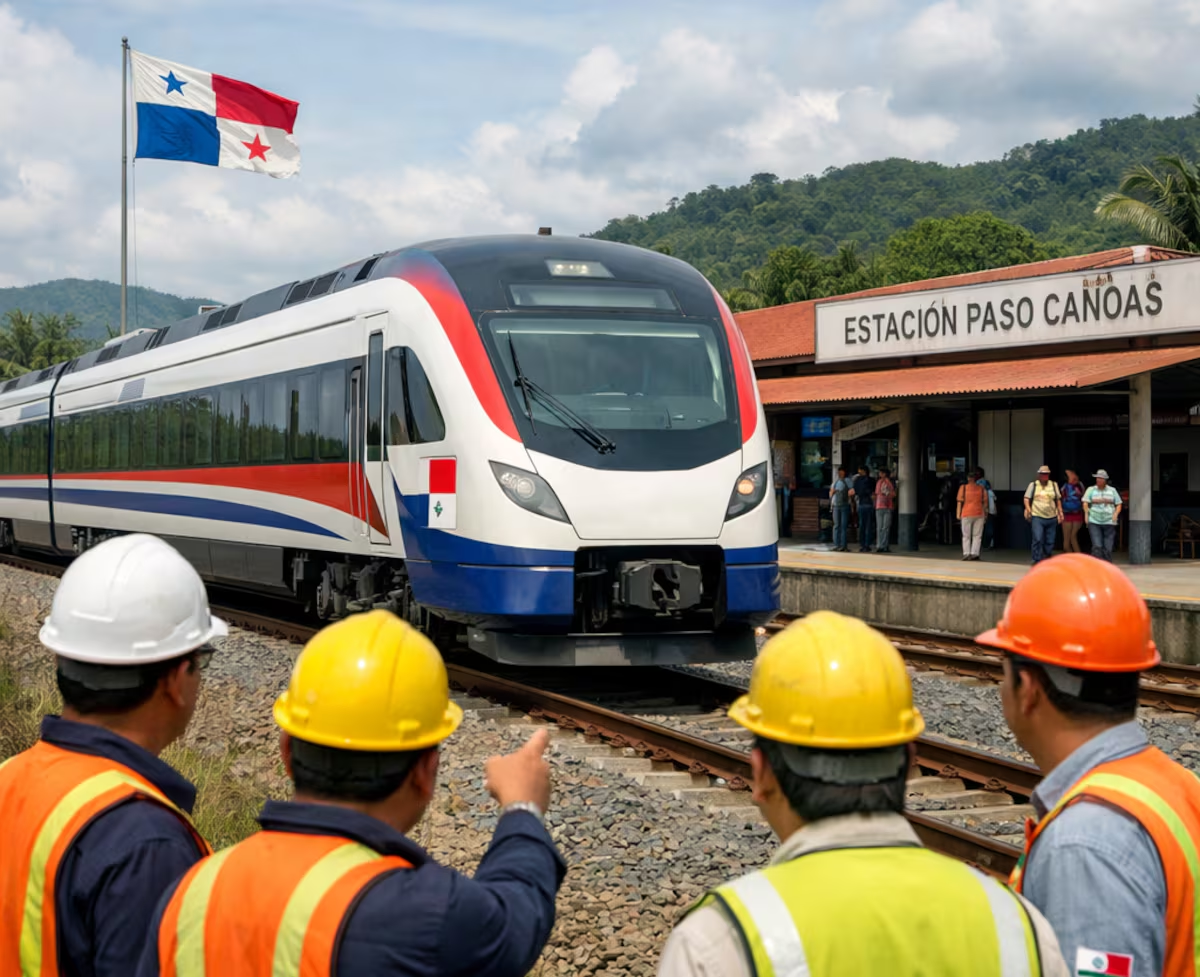
- Distance & Stations: The planned railway will stretch approximately 475 km from Albrook in Panama City to Paso Canoas at the Costa Rican border. It is proposed to feature 14 stops, passing through urban and commercial centers such as La Chorrera, Santiago, and David.
- Travel Times: Passenger trains are projected to reach speeds of 180 km/h, cutting the trip from Panama City to the border down to roughly 3 hours.
- Freight Integration: The railway will also carry cargo, significantly slashing delivery times of goods between Central American economies.
Current Progress & Timeline
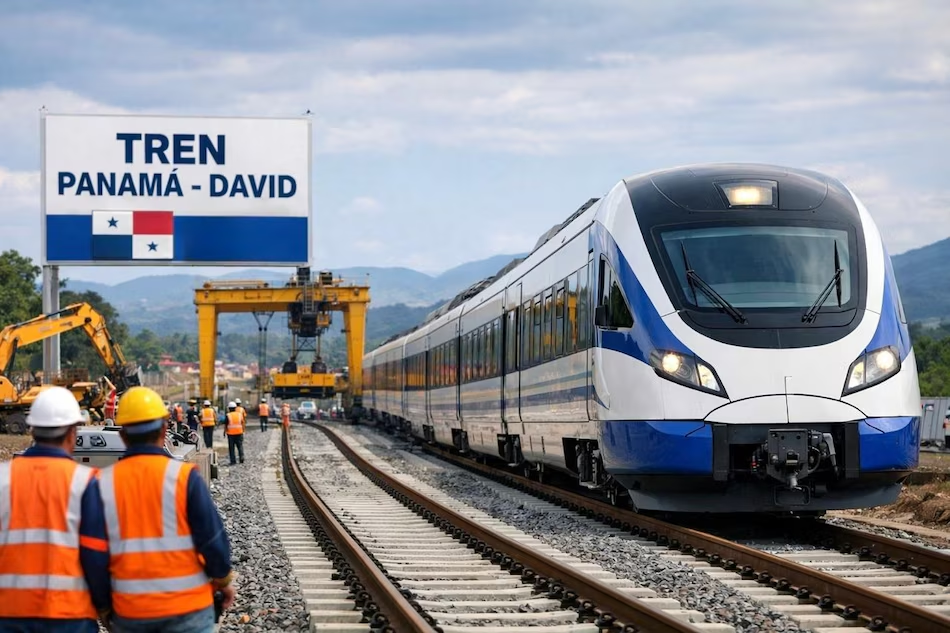
- The Panama Section: The Panamanian government has been advancing technical and engineering designs alongside the U.S.-based firm AECOM. Initial earthworks and construction phases have been targeted to start in Panama.
- Binational Agreement: Costa Rica’s rail institute (INCOFER) and Panama’s National Railway Secretariat signed a formal Memorandum of Understanding (MoU). While this initial agreement establishes frameworks for engineering, environmental assessments, and feasibility studies, the exact timeline for construction extending directly into Costa Rican territory continues to undergo thorough evaluation.
Because the massive 4 billion to 5 billion corridor is still completing feasibility and financing stages, a final completion date has not yet been established.