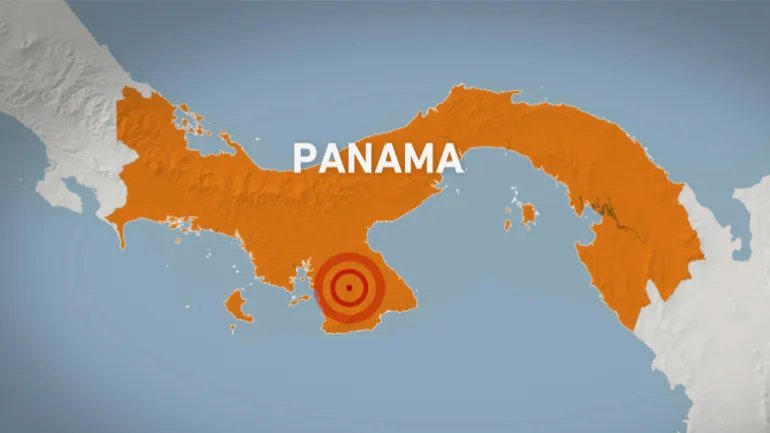
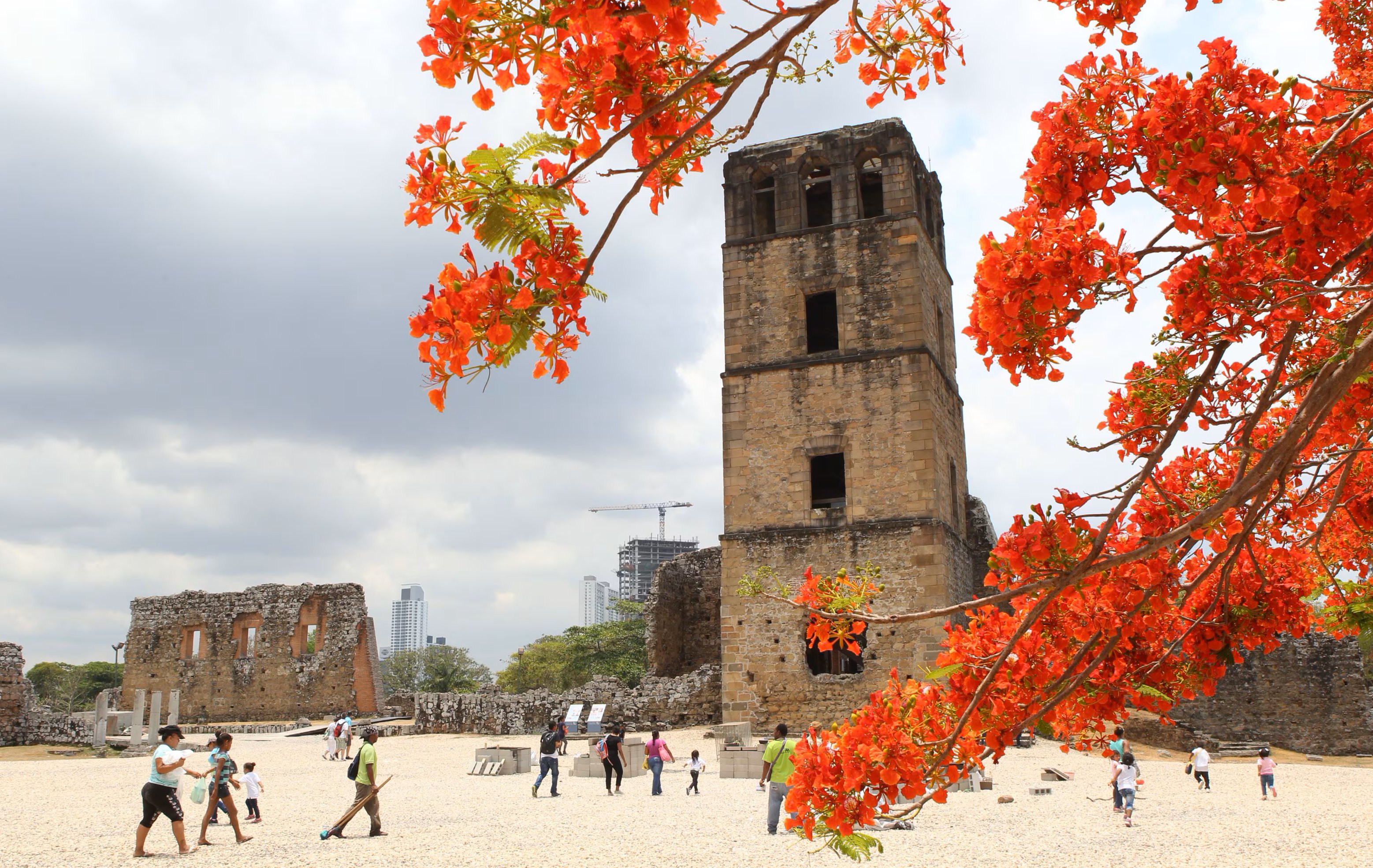
The Panama Canal Explains Why 47.5 Feet is a Scary Number for East Coast Ports.
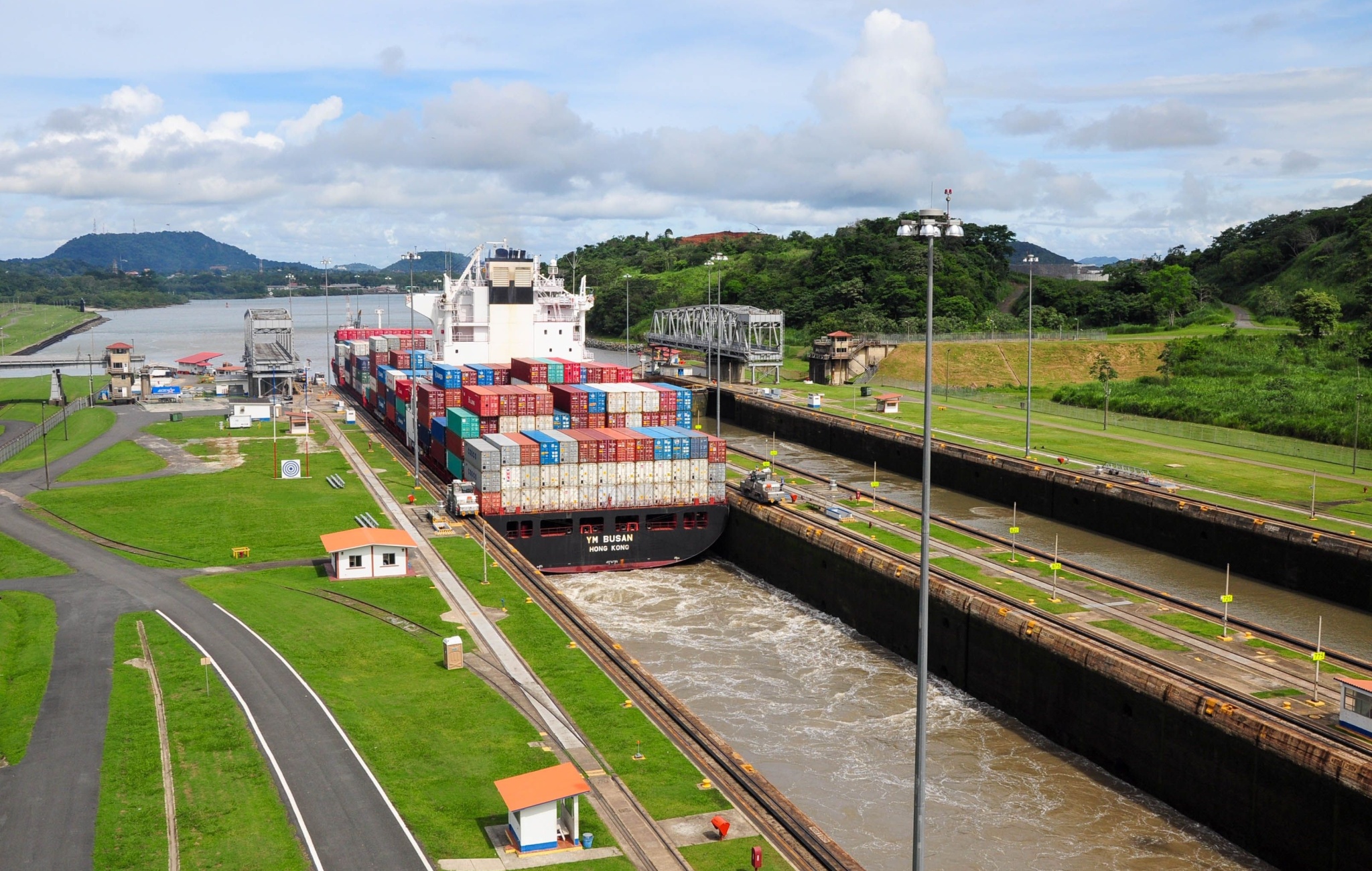
Drier weather and drought conditions are expected to complicate supply chain operations on key water routes from Panama to Europe. The Panama Canal Authority this week announced it will reduce the maximum draft for cargo vessels from 49.5 feet to 47.5 feet in a series of reductions slated through early September. The adjustment comes amid drought conditions after a dry rainy season lowered water levels in Gatun Lake, the body of water that feeds the locks of the Panama Canal linking the Pacific and Atlantic oceans. A neo-panamax ship hauls 13,000–14,000 twenty foot equivalent units (TEUs), and typically requires water 50 feet deep for full capacity operations.

Effective August 26, 2026, the maximum authorized draft for vessels transiting the Canal’s neopanamax locks will be reduced to 48 feet, and 47.5 feet by September 3. The lower levels will force liners to carry less cargo per vessel, impacting volumes headed for East Coast ports. Carriers have already imposed Canal-related charges. Mediterranean Shipping Co. assessed a $100 per TEU charge on Asia-U.S. East and Gulf Coast cargo, and CMA CGM charges have been reported at up to $320 per TEU for this trade. The PCA said that the measure is based on current water levels and projected conditions for the upcoming weeks in Gatun Lake.

It is also part of the ongoing water management and operational strategy aimed at ensuring the long-term sustainability of its operations. The authority said it won’t reduce the number of daily vessel transits. During the 2023–24 El Niño, vessel traffic was sharply curtailed resulting in a capacity-driven traffic bottleneck. The reductions are the fourth and fifth draft adjustments this year, and come as forecasters brace for the effects of El Niño, the climate phenomenon that brought similar dry conditions to the region in 2023. In a competitive benefit for West Coast–intermodal routings, some discretionary Asia cargo bound for inland markets may shift through Los Angeles-Long Beach, Oakland, and Seattle-Tacoma on the U.S. West Coast, or Prince Rupert and Vancouver in Canada, and then move by rail.
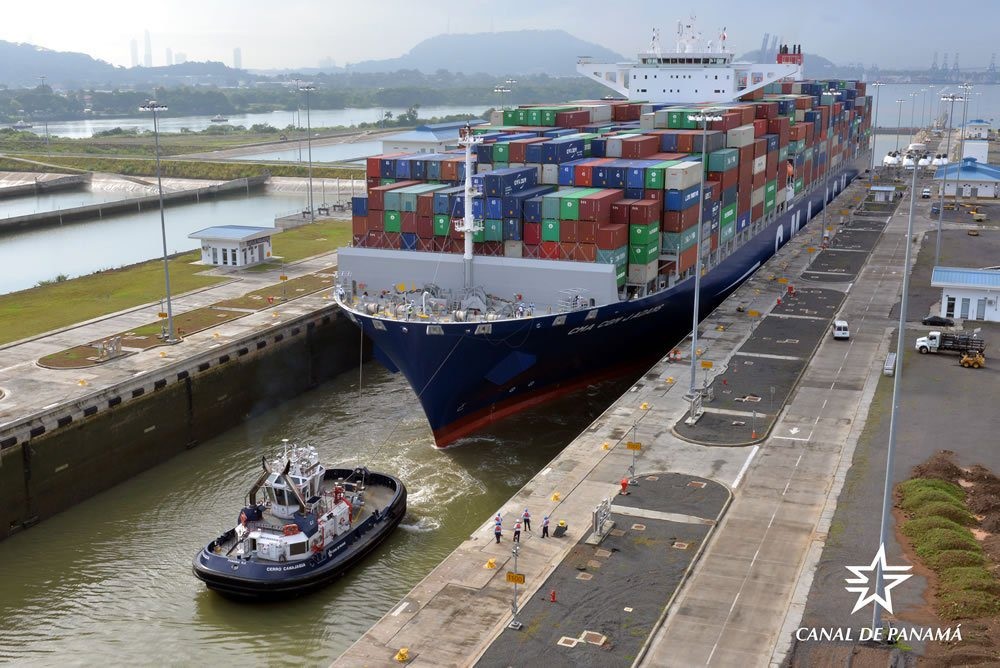
That trades a longer and possibly costlier domestic rail leg for more dependable vessel payload availability through the all-water Panama route. In Europe, drought is affecting traffic on the Rhine River connecting the ports of Rotterdam and Antwerp-Bruges with major industrial hubs across the Netherlands, Germany, Switzerland and Central Europe. Current low water levels are creating significant challenges for inland transportation, DHL said. Reduced barge capacity is leading to longer transit times, rising transportation costs and increasing pressure on alternative rail and road networks.