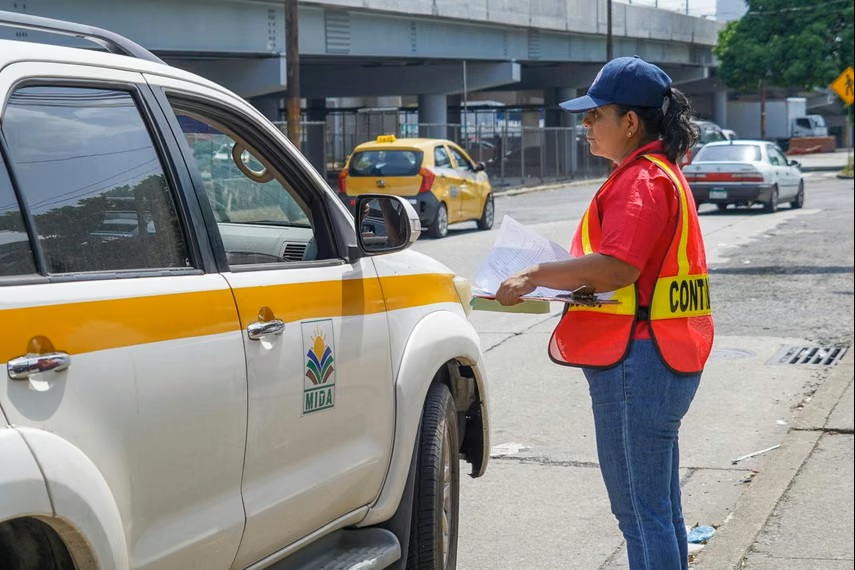
The Cruise Industry is Looking for Staff in Panama
How would you like to work on a cruise ship? Captain Demosthenes Sanchez states that English is the main requirement to access jobs that pay around $1,100 per month in areas such as hotel, kitchen and entertainment within cruise ships.
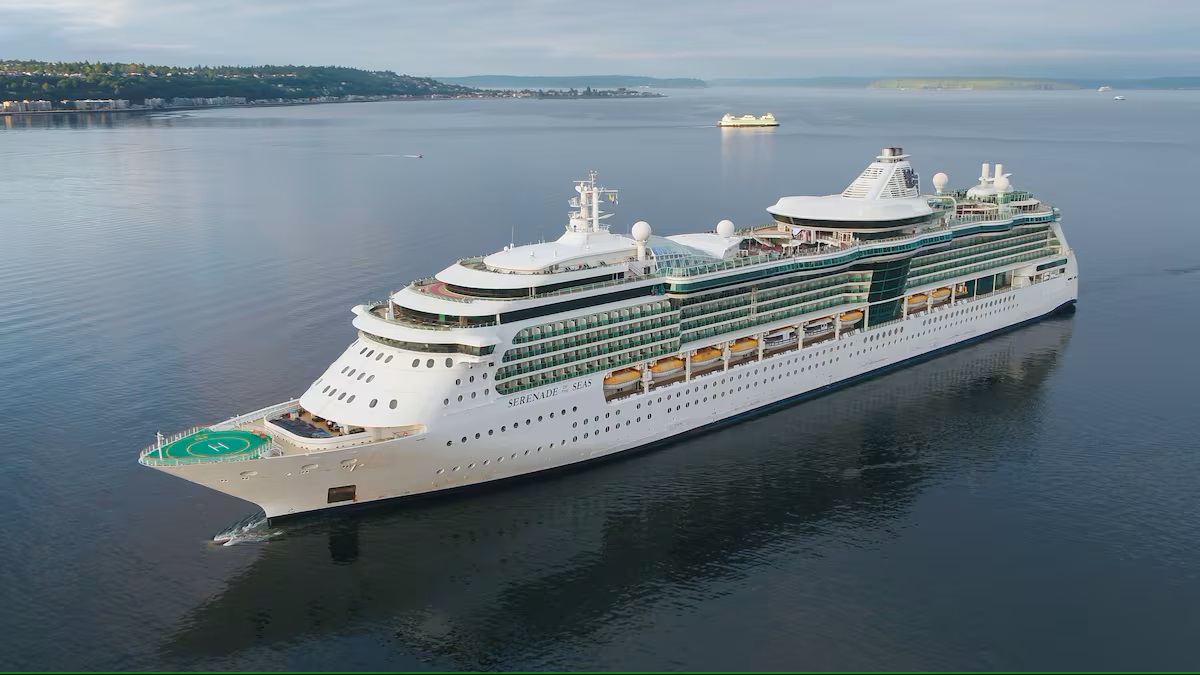
The cruise industry is emerging as a viable alternative to unemployment in Panama, which currently stands at 10.4%, with an informal sector representing nearly 47% of the economically active population. This was highlighted by Captain Demóstenes Sánchez, who asserted that cruise lines are generating thousands of job openings worldwide, particularly in the areas of hospitality, gastronomy, and entertainment.
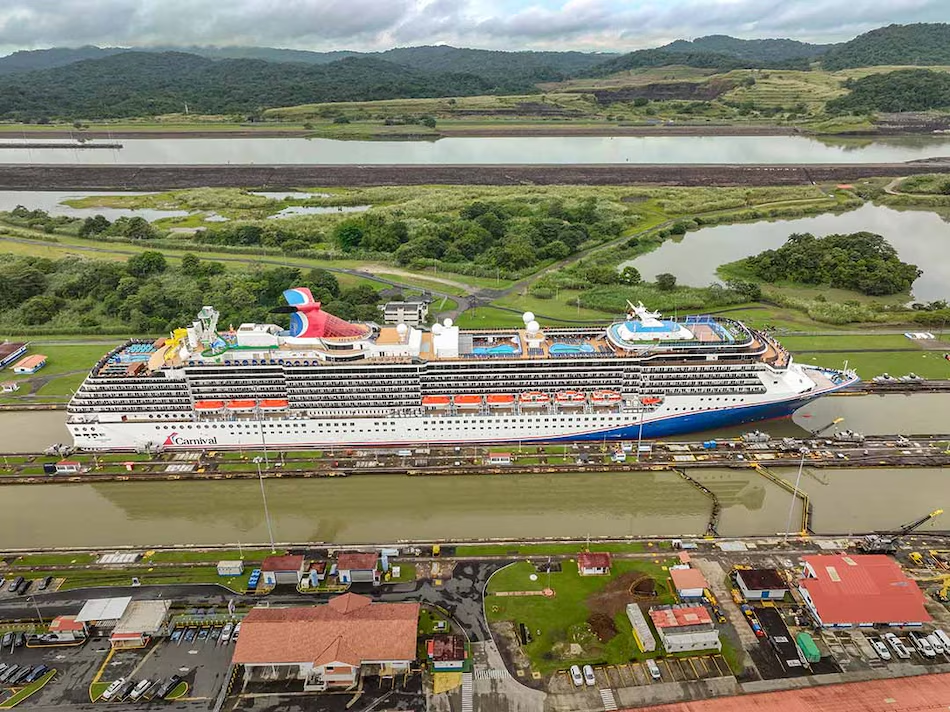
Sánchez explained that Carnival Cruise Line alone “generates approximately 30,000 jobs every six months,” because each ship requires between 1,000 and 2,000 crew members.
Cruise Lines Open a Job Path for Panamanians as Unemployment Stays High
The cruise industry is being positioned as a practical employment option in Panama at a time when the country’s unemployment rate stands at 10.4% and the informal sector includes nearly 47% of the economically active population. The appeal is strongest in service-oriented fields where ships constantly need workers, especially hospitality, gastronomy, and entertainment. Captain Demóstenes Sánchez said cruise lines are creating thousands of openings worldwide and argued that these jobs could help Panamanians facing a tight labor market. He pointed to Carnival Cruise Line as a major example, saying the company generates about 30,000 jobs every six months because each ship requires between 1,000 and 2,000 crew members.
For Panama, the cruise industry connects directly to a workforce that already has experience in customer service, tourism, food preparation, and multilingual environments. Those skills are valuable in a sector that depends on high-volume operations and international passengers. Cruise employment also offers an alternative to informal work, which remains a major feature of the Panamanian economy and often comes with lower income stability and fewer benefits. Panama’s location gives it a natural link to this market. The country sits at the center of regional maritime traffic and already has strong ties to global shipping and tourism through the Panama Canal and its ports.
That broader maritime identity makes cruise work a relevant path for Panamanians looking for jobs beyond local labor markets. The unemployment figure underscores why international hiring opportunities attract attention in Panama. When formal job creation slows, sectors tied to tourism and services often become important entry points for workers seeking better pay or overseas experience. Cruise lines can also serve as training grounds, giving crew members exposure to global service standards that can later support careers on land in hotels, restaurants, and tourism operations. The scale of the industry is also significant. A single cruise ship may carry a crew large enough to resemble a small floating city, with departments covering guest services, kitchens, cleaning, entertainment, deck operations, and technical support.
That broad staffing model creates recurring demand for workers with different levels of experience and language ability. For Panamanians exploring this route, the key question is whether cruise companies continue expanding recruitment in the region and whether training programs can prepare more candidates for maritime hospitality jobs. If hiring channels grow stronger, the sector could become a meaningful outlet for job seekers in a labor market still marked by unemployment and informality. The discussion also highlights a larger economic issue in Panama: the need for more formal, stable employment options. Cruise work will not solve that challenge on its own, but it shows how a global industry can intersect with local pressure in the labor market and create opportunities for Panamanians willing to work abroad.