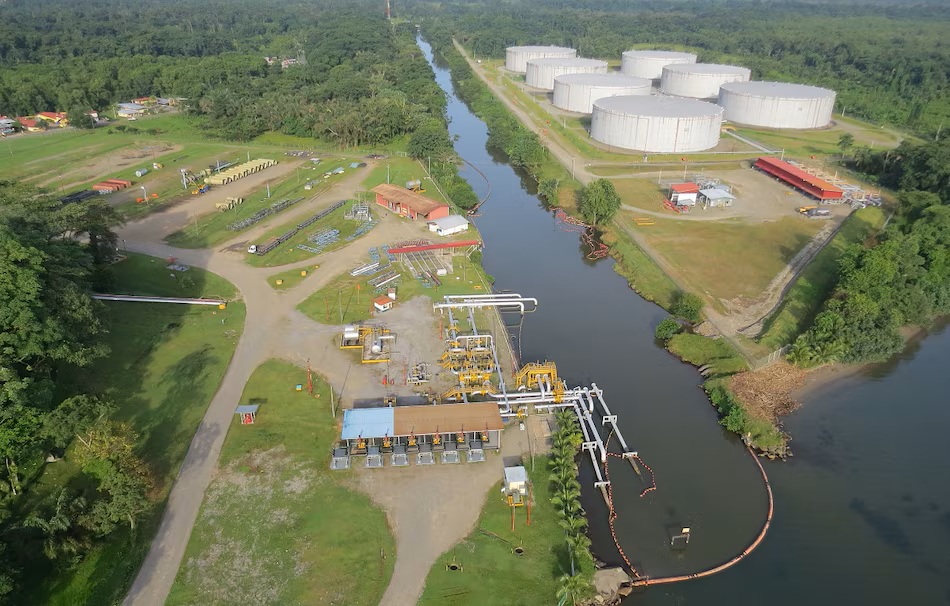
The Lucrative Business of the Water Tankers: IDAAN Distributed $12 Million in Water
At least two executives of water distribution companies are part of the Coclé Provincial Baseball League, where they coincide with Justo Castañeda, brother of the deputy Dana Castañeda, and with José Carranza, husband of the mayor of La Pintada.

Water tanker operations in Panama are proving highly profitable as the country’s wider logistics and transport sectors continue to benefit from the strategic importance of the Panama Canal. Rising demand for fast-tracked shipping slots, especially for oil and liquefied natural gas tankers, has pushed auction prices sharply higher in 2026. Some transit slots are now reaching more than $4 million, reflecting intense competition among shippers for access to one of the world’s most important trade routes. The canal continues to serve as a vital link for global commerce, with roughly 40% of U.S. container traffic and about 5% of world trade moving through the waterway. The canal’s limited capacity has created a market where speed and access carry a premium.
Higher demand for energy transport and concern over alternative routes, including the Strait of Hormuz, have increased pressure on available slots and boosted revenues for operators tied to the transit system. Panama’s maritime services also benefit from the country’s shipping registry, known globally as the Panama flag of convenience. Lower registration costs have long made the registry a major commercial advantage and an important source of income for the country. Despite the strong financial outlook, the sector remains vulnerable to drought. Reduced rainfall can limit the canal’s operating capacity, slow traffic, and create backlogs that affect both shipping schedules and revenue flow. Drought conditions are expected to remain a concern later in 2026.
Even with those pressures, the Panama Canal Authority expects profits to remain strong and is investing in infrastructure aimed at helping the system handle future demand. The combination of strategic geography, constrained capacity, and rising global trade pressure continues to make the canal and related services central to Panama’s economy. The high-value shipping market underscores how closely Panama’s economy is tied to maritime logistics. When demand rises, the effects reach beyond the canal itself, supporting a range of services connected to transit, registration, and transport. As competition for canal access intensifies, Panama’s role as a global maritime hub remains a major economic advantage — and a reminder of how valuable the country’s geographic position has become in an era of supply-chain uncertainty.
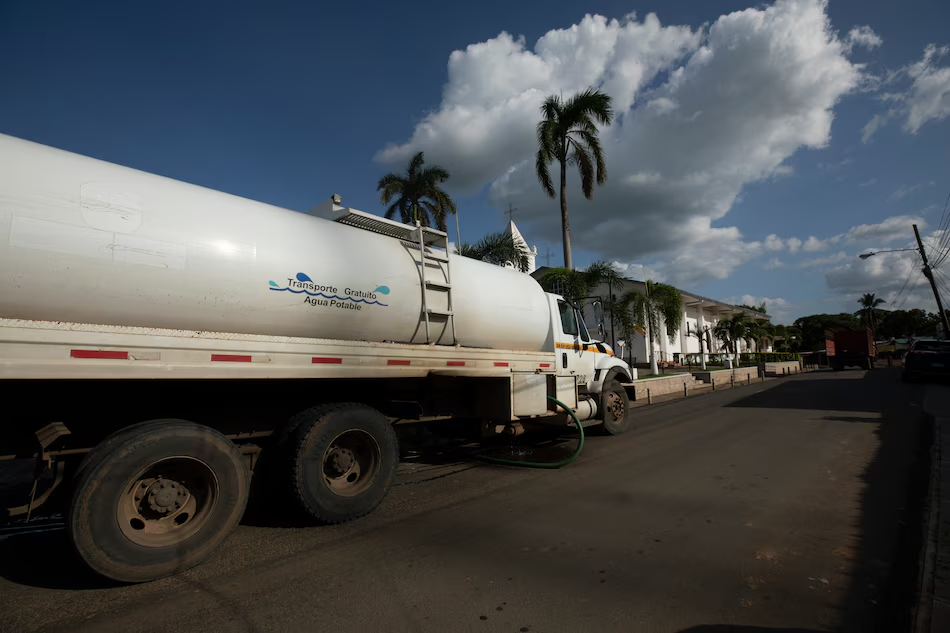
Drinking Water Above being Distributed by Tanker Truck in Macaracas Park, Los Santos Province
Market Challenges and Trends
- Drought Impacts: While profitable, the industry is vulnerable to droughts (expected again in late 2026), which reduce capacity and cause severe traffic backlogs.
- Longer-Term Outlook: Despite temporary dips in volume, the Panama Canal Authority expects continued high profits and is investing in new infrastructure to manage future capacity.
Key Lucrative Factors in 2026
- High-Cost Auctions: Due to high demand and limited slots, shippers (including water, oil and LNG tankers) are paying premium auction fees per transit slot.
- Essential Trade Route: Roughly 40% of all U.S. container traffic and about 5% of global trade passes through, with the waterway generating nearly $5 billion USD in annual revenue.
- Rising Tanker Traffic: Increased oil tanker traffic and demand for alternative routes to the Strait of Hormuz have increased the demand for passage, creating high competition for slots.
- Profitable Registry: The “Panama flag of convenience” allows for lower registration costs, which acts as a lucrative business for the nation.
The tanker industry in Panama is highly lucrative, particularly due to the strategic importance of the Panama Canal, which generates billions in revenue, and the high-value, fast-tracked shipping auctions that can cost over $4 million per slot in 2026. Increased demand for energy transport and restricted capacity have driven up fees and made the sector a “cash cow” for operators and the canal authority.