Shipowners Agree that Flying the Panama Flag is Popular
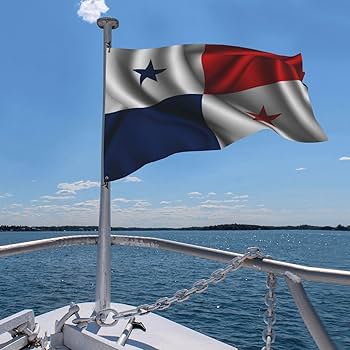
Two ships sailing under the flag of Panama ran into problems off the coast of Germany awhile back. For over a century now, shipowners wanting to circumvent certain regulations have opted for the Panama flag. Almost at the same time as an operation to secure the Eventin oil tanker pictured below stranded off Germany’s coast, another tanker — called Jazz — that had set sail from Russia reported problems in the Baltic Sea near Rügen, Germany’s biggest island. According to agency reports, the crew was able to resolve the problems linked to the engine failure. The tanker was moored off the coast of Skagen in northern Denmark. This is also where the Eventin was supposed to be taken, but German authorities were not allowing it to continue its journey.
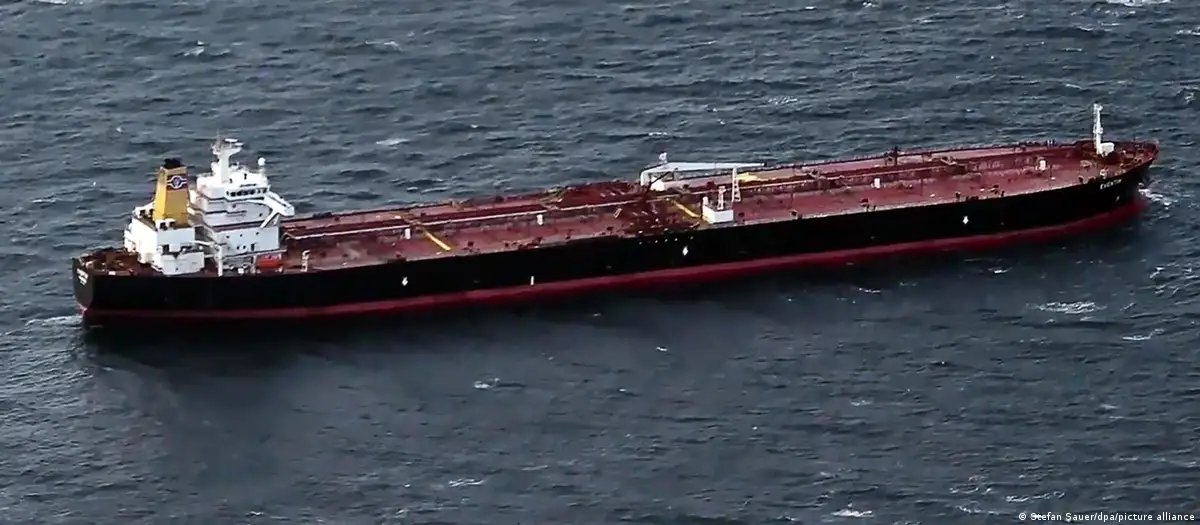
Eventin Oil Tanker was Stranded off the Coast of Rügen, Germany’s Biggest Island
In contrast to the Eventin, the Jazz did not appear on the “shadow fleet” document compiled by the environmental organization Greenpeace, which lists “previously unsanctioned crude oil tankers older than 15 years that have exported oil from Russia several times since the start of the war.” There are about 190 such vessels in the list. Russia is thought to be using tankers flying under a different flag to circumvent the international oil embargo that was imposed after its full-scale invasion of Ukraine in February 2022. The Eventin and Jazz both have in common the fact that they were sailing under the Panama flag. Why is this South American country’s flag so popular?
Easy Ship Registration Procedure
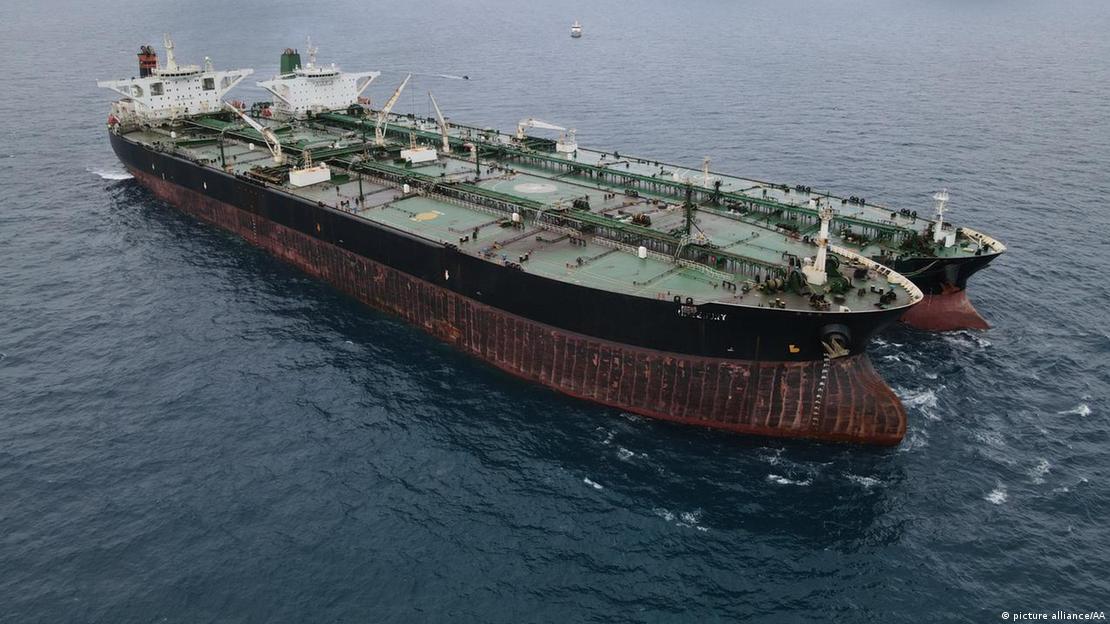
Many Shipping Companies choose to Fly the Panama Flag to avoid certain regulations
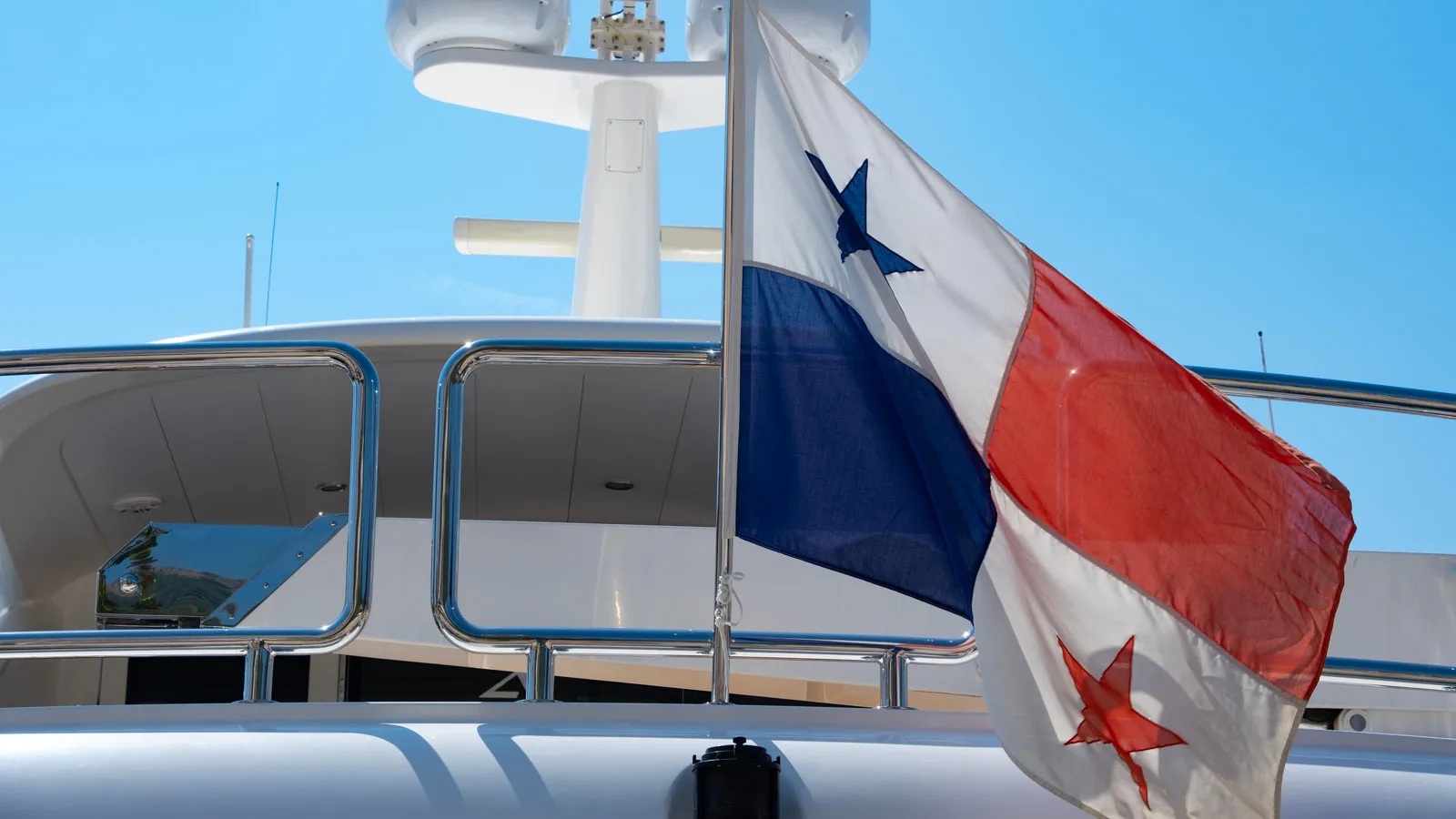
One possible reason is the easy ship registration procedure. Panama operates an open registry and any person or entity, regardless of nationality, is eligible to register a vessel under its flag. The number of registered ships is not restricted. The Central American country, which boasts 4.4 million inhabitants, has far more registered ships than other countries. According to the United Nations Conference on Trade and Development (UNCTAD) around 16% of the world’s merchant ships sailed under the Panama flag in 2023. The Maritime Executive, a media platform, said that Panama had closed 2023 with 8,540 vessels, which made it the largest registry by number of vessels.
Cutting Costs with a Flag of Convenience
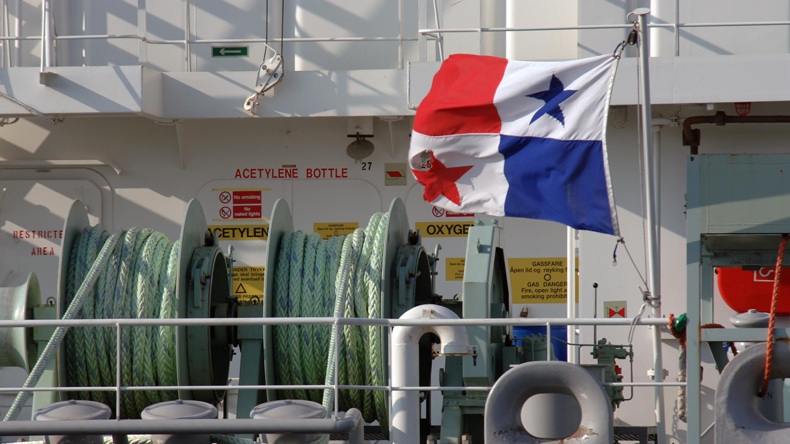
According to Alexander Proelss, a professor of International Maritime Law at the University of Hamburg, “Panama is a typical flag-of-convenience state.” He told news media that such states enabled “shipping companies to register their ships at comparatively low costs and thus fly the flag.” He said that this allowed for certain wage standards and shipping regulations to be circumvented. Meanwhile, for Panama, the registry makes for a lucrative business. Proelss said that the problem had been known for decades and that it could not easily be resolved in light of the principle of flag sovereignty in maritime law. He said that previous attempts to rectify the issue had failed.
A Custom that Goes Back to the Prohibition Era

During the Prohibition Era, Alcohol was Not Allowed on US Ships
“Flagging out” and using the flag of Panama is a practice that goes back to the end of the First World War and the Prohibition era, when alcohol was prohibited on US ships but not those flying the flag of Panama. This was when the open registry was introduced, also to avoid paying the higher wages and offering the better working conditions stipulated by US law. After Panama came Honduras and Liberia. According to a University of Bremen blog, the practice boomed in the 1980s. It was met with criticism, and European states tried to counter the trend by opening offshore registries that were supposed to offer shipowners better conditions.
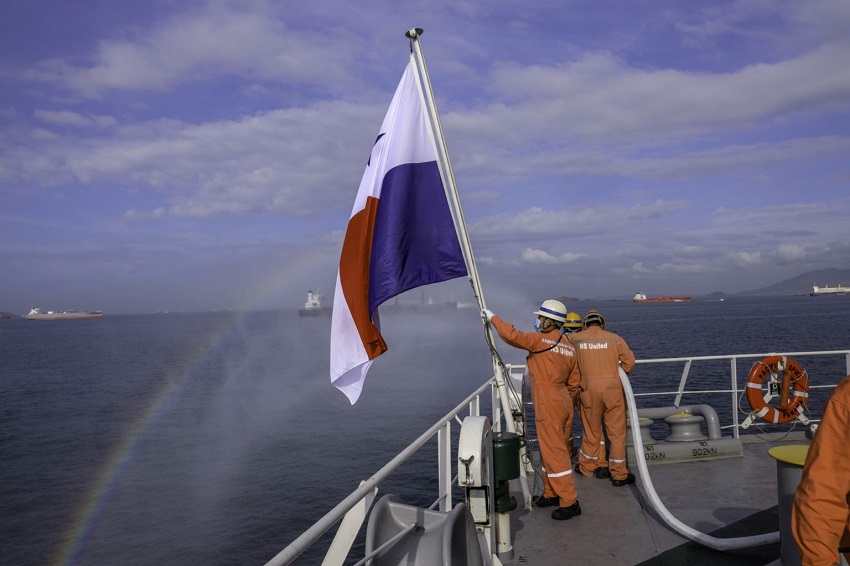
Offshore or dependency registration means that ships are registered in territories whose general administration rests with a parent, or flag, state, but generally regulations are less strict and taxes lower. The UN Convention on the Law of the Sea, a multilateral treaty often referred to as a “constitution for the seas,” stipulates that there must be a “genuine link” between a state and the ship flying its flag. However, the International Tribunal for the Law of the Sea clarified several years ago that this criterion does not restrict the right of a state to award its flag to a ship. It must merely ensure the performance of flag state duties after the flag has been awarded.
The Key change in the Economic Substance Law that Gives a Breather to the Maritime Sector
After receiving more than 30 proposals in consultations with over 150 participants, the Economics Committee will begin debating the tax reform on economic substance on Monday, May 18. Representative Eduardo Gaitán outlined some of the changes that will be incorporated.
The reform of the Tax Code, which seeks to include economic substance so that companies and multinational groups operating in Panama demonstrate a real presence in the country, with offices, employees and real operations, and support the resources they receive, is entering a crucial stage. Deputy Eduardo Gaitán, president of the commission, highlighted that, after listening to the different positions and stances of tax experts, maritime sector experts and trade associations, it has been agreed to accept the proposal to exclude the maritime sector from the regulation of economic substance, specifically in this reform of the Tax Code, because it is a sector that already demonstrates real activity by carrying the Panamanian flag on each of the registered ships.