Why Nature-Focused Towns Are Catching Buyer Interest
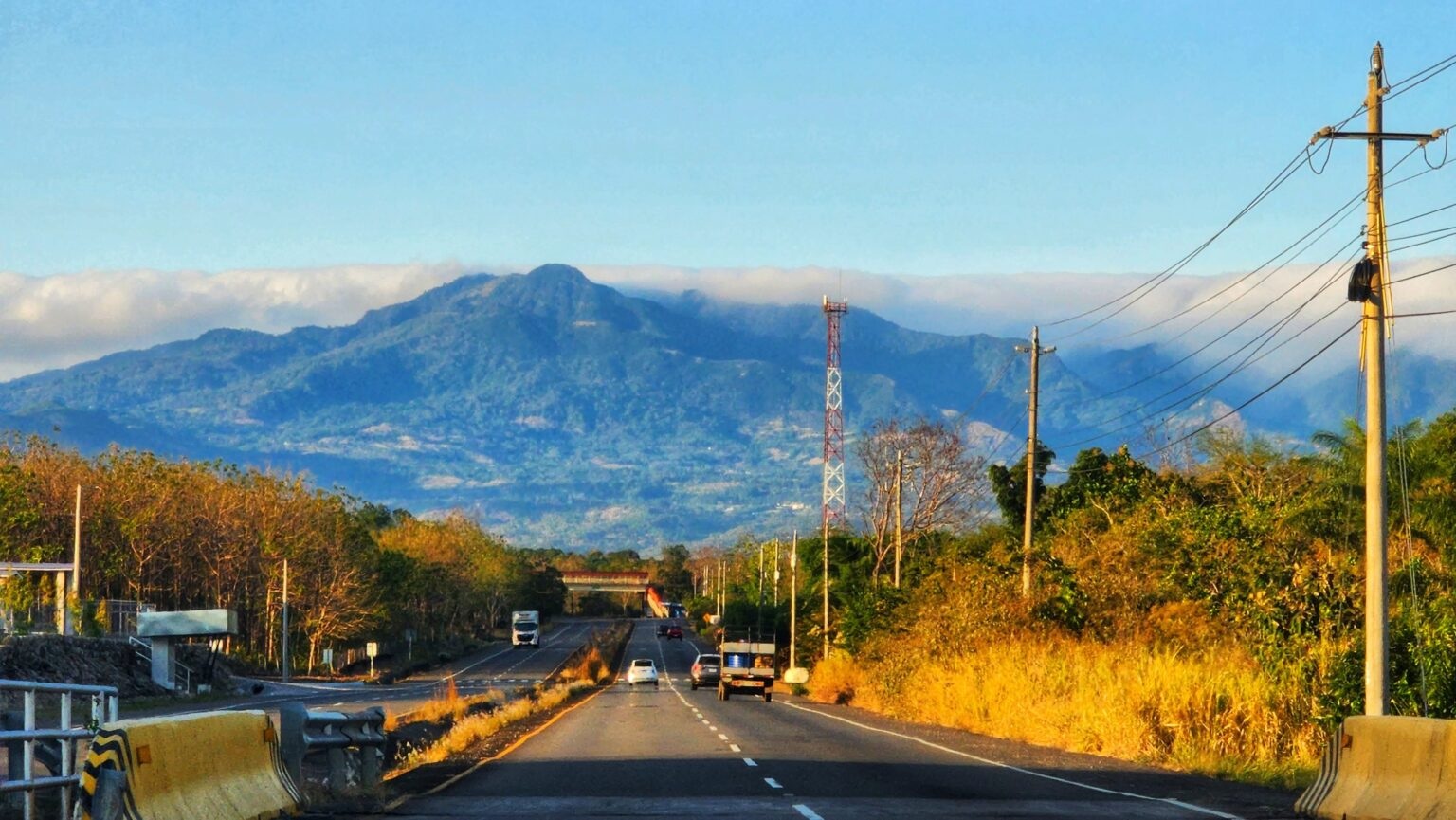
Busy suburban neighborhoods no longer hold the same level of excitement for many buyers searching for a different pace of life. Mountain towns, lake communities, and forest-surrounded areas have slowly moved into the spotlight because people want homes connected to scenery, outdoor movement, and quieter routines. Buyers now spend time thinking about what mornings feel like outside the front door, how much traffic exists during the week, and whether nature feels close enough to enjoy regularly instead of occasionally. A growing number of people want access to walking trails, scenic roads, and open spaces without feeling completely isolated from restaurants, shopping areas, and entertainment.
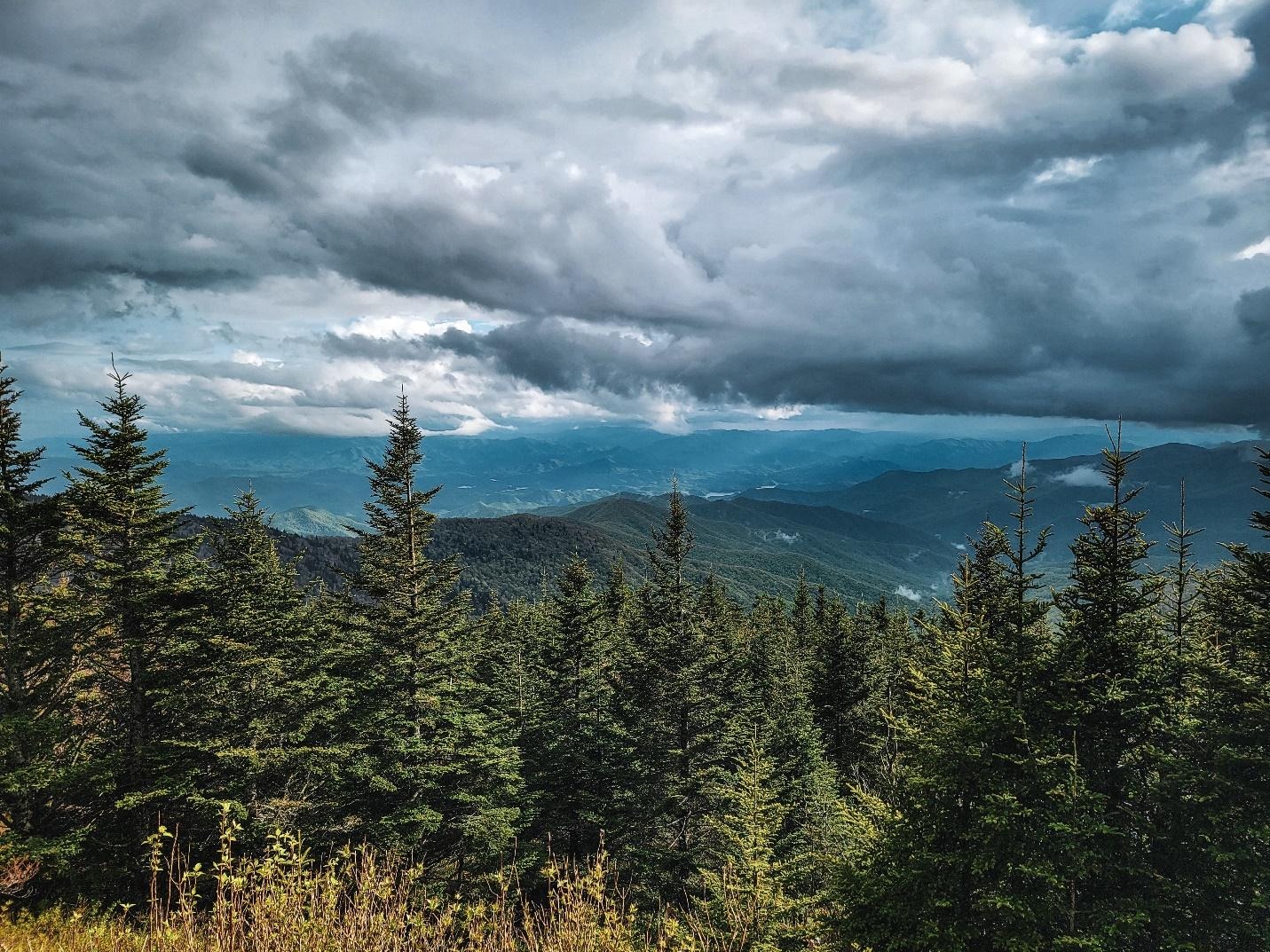
Tennessee continues gaining attention among buyers looking for this kind of lifestyle, especially around the Smoky Mountains. The area combines outdoor scenery with year-round tourism, cabin communities, hiking access, and mountain-town living that feels active without becoming overwhelming.
Buyers Want Everyday Access to Nature
Nature access has shifted from being a bonus feature to becoming part of everyday lifestyle planning for many homebuyers. People no longer want outdoor scenery limited to occasional vacations or holiday trips. Buyers are searching for homes where hiking trails, forest paths, mountain overlooks, and fresh air exist within regular daily routines. Simple activities like morning walks, afternoon drives through wooded roads, or evenings spent outside with mountain views now carry real influence during property searches. Mountain towns continue attracting attention because they provide a sense of space that feels difficult to find in heavily developed areas.
Smoky Mountain communities exhibit this growing demand because they offer direct access to outdoor recreation without removing people from modern conveniences. Interest in Smoky Mountain property for sale has increased among vacation home buyers, retirees, remote workers, and investors searching for locations tied to outdoor recreation and long-term appeal. Local Realty Group has become part of that growing market conversation as buyers search for homes connected to mountain views, wooded surroundings, and scenic communities throughout the Smokies. The region offers something many buyers currently want: properties that feel peaceful during everyday life while still sitting near attractions, restaurants, and local activity.
Buyers interested in second homes and residential neighborhoods often look for locations close to hiking trails, rivers, and scenic overlooks while remaining near restaurants, shopping areas, and entertainment districts. This everyday balance has become a major reason mountain real estate markets continue attracting attention.
Smaller Towns Becoming Popular for Second Homes
Second-home buyers are moving beyond traditional beach destinations and looking toward smaller towns filled with natural scenery and slower daily routines. Mountain communities, lake areas, and river towns have become increasingly attractive because they offer vacation-style living without the constant activity found in larger tourist cities. Buyers searching for second homes often want places that feel comfortable throughout the year instead of locations tied to one specific season. Small towns surrounded by nature create that type of flexibility because they remain appealing during summer weekends, fall travel months, winter cabin stays, and spring outdoor trips.
Many second home buyers are no longer searching for oversized luxury properties meant for occasional use. Interest has shifted toward practical homes and mountain retreats that feel easy to enjoy throughout the year. Buyers like the idea of spending weekends near rivers, mountain roads, and quiet outdoor spaces while still having access to local restaurants and small business districts nearby.
Remote Workers Looking for Quiet Living Spaces
Remote work changed the way many people think about where they live. Daily commutes no longer control housing decisions for a large number of professionals, which opened the door for buyers to explore smaller towns outside major metropolitan areas. Nature-focused communities have become especially attractive because they offer quieter surroundings, open space, and a calmer work environment compared to crowded urban settings. Buyers who work remotely often look for homes where they can spend the workday in peaceful surroundings instead of apartment buildings surrounded by noise and traffic.
Many remote workers now prioritize surroundings that help create separation from busy routines, even while working from home. Forest views, outdoor patios, mountain air, and quieter neighborhoods have become part of the appeal because people spend much more time inside their homes during the week. Nature-focused towns offer an environment where breaks can include short hikes, scenic drives, or time outside instead of crowded city blocks and traffic-filled roads. Buyers often feel drawn toward places where the pace feels manageable and helps achieve work-life balance.
Outdoor Recreation Becoming a Bigger Housing Factor
Outdoor recreation now plays a much larger role in housing searches than it did several years ago. Buyers regularly search for properties located near hiking trails, fishing areas, rivers, mountain parks, and scenic overlooks because outdoor access has become connected to everyday lifestyle decisions. People want homes near activities they genuinely plan to use instead of recreational spaces that remain occasional attractions. Areas known for hiking, kayaking, biking, and mountain exploration continue attracting attention because buyers see outdoor recreation as part of long-term living rather than weekend entertainment.
Mountain towns benefit heavily from this growing interest because outdoor recreation naturally shapes the culture and layout of these communities. Buyers often pay attention to how quickly they can reach walking trails, picnic areas, lakes, and scenic drives directly from their homes. Vacation home buyers and long-term residents alike appreciate locations where outdoor activities feel woven into daily routines. This demand has influenced the popularity of mountain properties across several states, especially in areas where tourism and outdoor recreation already support local economies.
Interest in Less Traffic and Slower Daily Routines
Long traffic lines, crowded intersections, and packed suburban developments have pushed some people toward smaller communities where daily routines feel calmer and less rushed. Nature-focused towns appeal to buyers who want simpler movement throughout the day, whether that means shorter drives, quieter neighborhoods, or roads lined with trees instead of commercial buildings. Buyers often describe wanting homes where they can enjoy evenings outside, drive without constant congestion, and move through the community at a more comfortable pace.
Mountain towns and scenic residential communities continue attracting attention because they create a different type of daily environment. Buyers appreciate places where mornings feel quieter, neighborhoods feel open, and outdoor scenery remains part of regular life. The appeal is not limited to retirees or vacation buyers anymore. Younger families, remote workers, and long-term investors are paying attention to communities where slower routines exist naturally. Many buyers now view peace as a practical lifestyle feature rather than a luxury extra.
Nature-focused towns continue gaining attention because buyers want homes connected to scenery, outdoor living, and quieter daily routines. Regions like the Smokies continue standing out because they combine natural surroundings with active local communities.