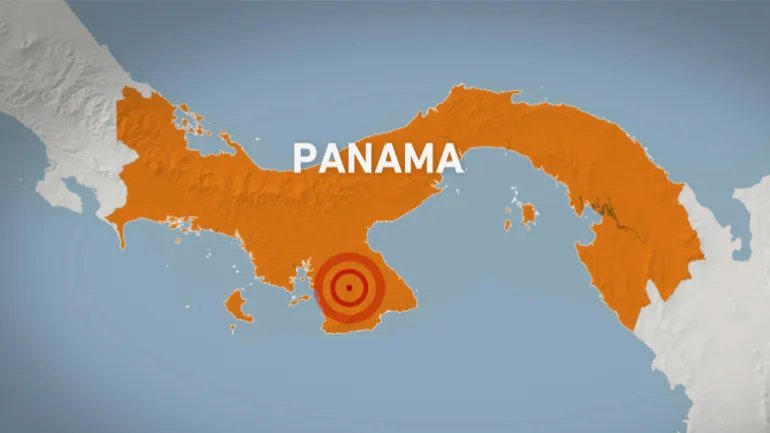
During a Migrant Smuggling Checkpoint Operation There were Two Panamanians Detained in Tolé
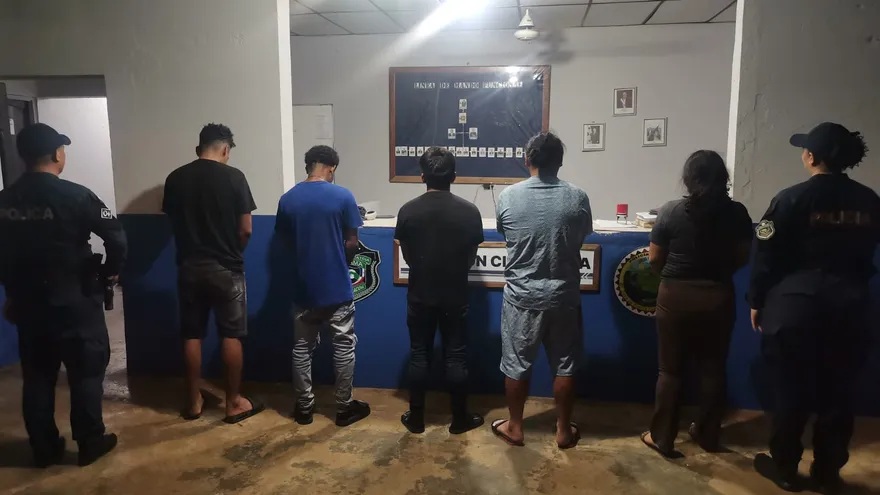
Authorities in Tolé detained two Panamanian nationals after an operation tied to the irregular transport of migrants. The pair allegedly tried to avoid the Guabalá checkpoint by using alternate routes, a tactic that has drawn increased attention from security forces in western Panama. The detentions came as officials stepped up control measures along roads used to move migrants outside regular inspection points. The effort is aimed at stopping the use of secondary routes that can be used to bypass migration controls. Guabalá is one of the key control points in the area, and avoiding it can make it harder for authorities to monitor irregular movement through the region.
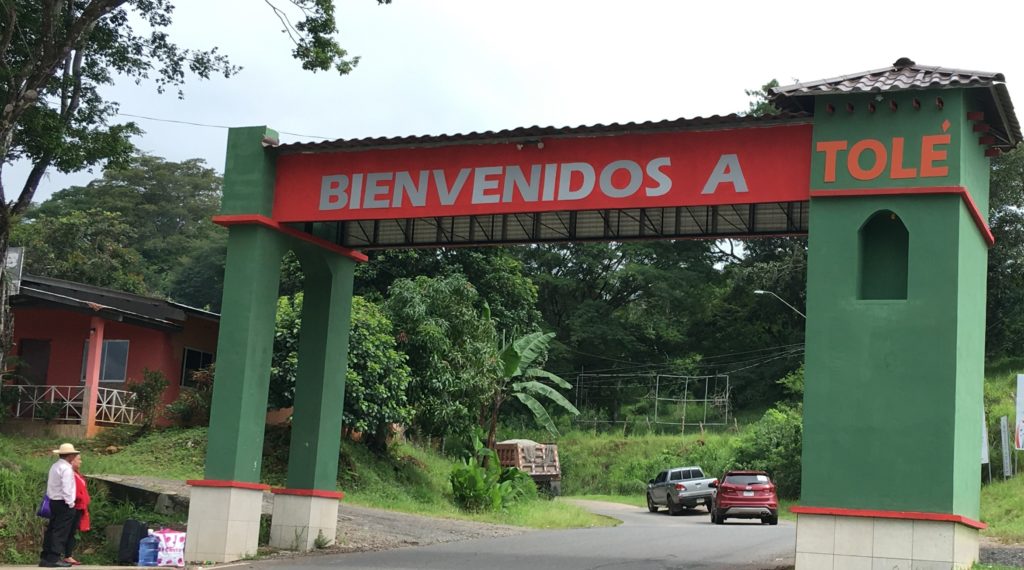
The crackdown reflects broader pressure on security and migration teams working to stop the transport of migrants without proper documentation or authorization. Tolé, in the province of Chiriquí, sits on a strategic route in western Panama where enforcement operations often focus on vehicle checks and road surveillance. Increased patrols in the area are part of ongoing efforts to disrupt illegal crossings and the networks that support them. Panama has faced sustained challenges linked to irregular migration through its territory, making road controls an important part of the national response. Operations along alternate routes are especially significant because they target the methods used to evade official checkpoints.
The case also underscores the role of local transit corridors in migration enforcement. When drivers use side roads to avoid inspections, authorities lose a key opportunity to verify who is being transported and under what conditions. Intensified controls in Tolé and surrounding routes signal a continued effort to block irregular migrant transport before it moves deeper into the country. For officials, the focus remains on reducing evasion at checkpoints and tightening surveillance on the roads most often used for these movements. The operation is part of a larger pattern of enforcement in Panama, where migration control has become a recurring priority for authorities in border and transit zones.