Panama’s Health Officials Applaud that Panama’s Fast-Food Combos Must Now Offer Free Water as a Good Start
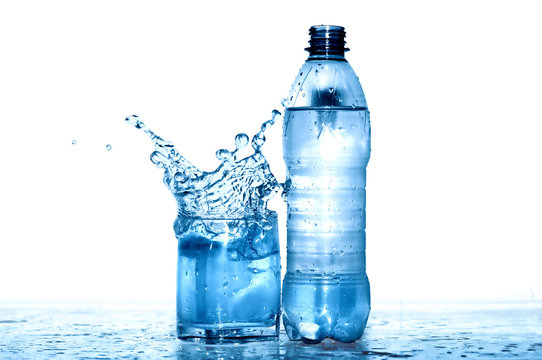
Panama’s Ministry of Health has backed Law 523 of May 12, 2026, which requires fast-food restaurants nationwide to offer bottled water as a no-cost alternative to sugary drinks in combo meals. The measure takes effect one year after its publication in the Official Gazette and is aimed at reducing routine sugar consumption in one of the country’s most common eating habits. Health officials, however, stressed that replacing soda with water does not automatically make a combo healthy. The menu may still include items such as hamburgers and fries, which are typically high in sodium and fats, two nutrients closely linked to chronic disease risks when consumed often.
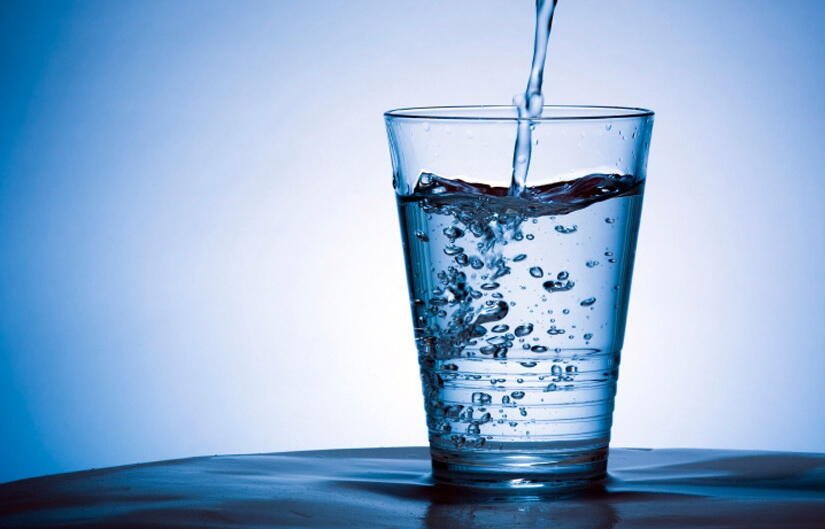
The Ministry of Health’s nutrition department described the law as one of the “small steps and strategies” needed to improve public health. Nutritionist Nilka López said the change helps lower sugar intake, but it does not remove the broader nutritional concerns tied to fast-food meals. López pointed out that many sugary and energy drinks contain the equivalent of four to six tablespoons of sugar per serving, adding what she described as empty calories that contribute to diabetes and hypertension. Her warning reflects a broader public-health concern in Panama, where diets high in sugar, salt and processed foods continue to pressure the health system. In practical terms, the new rule gives customers a clearer choice when buying combo meals.
Restaurants must allow consumers to swap sodas, soft drinks and other sugary beverages for water with a valid sanitary registration, while keeping the same menu price. Law 523 also obliges restaurants to clearly inform customers of this option on menus, at points of sale, on social media and across digital platforms. That requirement matters because combo promotions have long centered on sugary drinks as the default choice, making water an exception rather than the norm. The law places compliance oversight with Acodeco, which will be responsible for monitoring enforcement and applying sanctions when businesses fail to comply.
The Ministry of Health will oversee sanitary standards for the bottled water offered as a substitute. The policy comes at a time when nutrition and hydration are drawing more attention in Panama, where hot weather makes water intake especially important. López said people should drink water throughout the day rather than waiting until they feel thirsty, noting that thirst is already a sign the body is running low on fluids. The measure is also part of a broader regional shift in which governments are trying to make healthier defaults easier to access.
In Panama, the law targets a daily consumer habit rather than a single product, which could influence how chains market combos and how customers think about value meals. Still, health experts are making clear that the real challenge is not just the drink in the cup. If the country wants better long-term outcomes on obesity, diabetes and hypertension, the conversation has to include overall diet, portion size and how often fast food is consumed. For restaurants, the new rules mean adjusting menus, sales channels and compliance practices before the law takes effect. For consumers, it means that ordering a combo will soon come with a healthier beverage option by default, even if the rest of the meal still falls short of a truly balanced choice.