

The Day the ‘Bagdad’ Gang Split up in a Hail of Bullets: Hell in La Joyita Panama
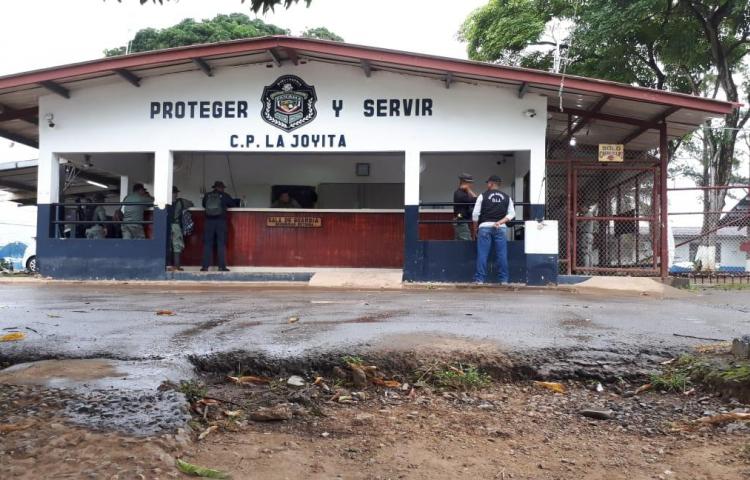
It could have been a much greater tragedy. On December 17, 2019, 13 inmates died in La Joyita prison, but at the time of the shootout in pavilion 14 of the prison, there were 200 inmates trying to escape from their cells, after learning that the Bagdad gang had split and there was an order to attack the dissidents. A jury composed of five men and three women closely follows the allegations, expert statements, and witnesses presented by the prosecution regarding how the events unfolded that day.
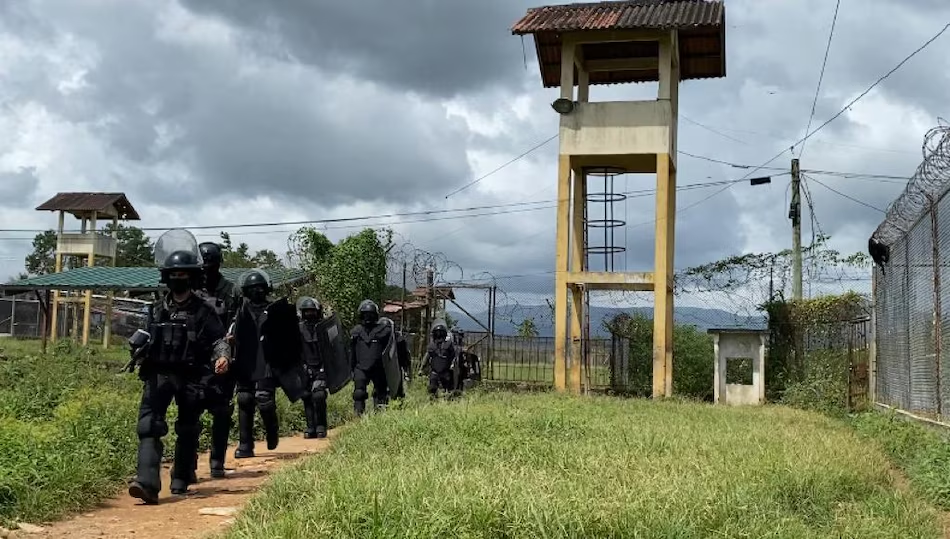
The “Bagdad Gang” (also known as the Bagdad syndicate) is one of Panama’s largest criminal organizations and drug federations. They were heavily involved in a deadly internal gang shootout on December 17, 2019, at La Joya/La Joyita prison in Panama, which left 15 inmates dead.
Key Details Regarding the Bagdad Syndicate and their Presence at the Facility
- The 2019 Massacre: The violence in December 2019 was triggered by an internal dispute and ideological split between different factions of the Bagdad gang housed inside block 14 of the La Joya prison complex. Inmates used smuggled assault rifles and handguns to execute one another.
- The Syndicate’s Power: Bagdad is a massive criminal federation composed of 30 to 40 smaller gangs operating primarily on Panama’s Pacific coast. They specialize in moving Colombian cocaine north and stealing drug shipments from rival groups like Calor Calor.
- Prison Control: Due to extreme overcrowding and understaffing within the Panamanian prison system—including facilities like La Joya, La Joyita, and Nueva Joya—gangs often wield significant power. Inmates were housed by their gang affiliations, which allowed large criminal organizations like Bagdad to control entire cell blocks, smuggle in high-caliber weapons, and run operations from inside the jail.
Panama’s La Joyita prison massacre is back in the spotlight as a jury hears evidence and testimony about the violent events of December 17, 2019, when a shootout inside pavilion 14 left 15 inmates dead. The episode unfolded amid a power struggle within the Bagdad gang, one of Panama’s largest criminal organizations. At the center of the case is how a prison block became the setting for an armed confrontation involving rival factions after the Bagdad structure split. The violence spread quickly through the unit, where inmates were reportedly grouped by gang affiliation, a common feature of Panama’s overcrowded prison system that can give criminal groups substantial control inside the walls.
La Joyita is part of the La Joya prison complex, one of the country’s most troubled detention systems and a symbol of Panama’s long-running prison security crisis. Overcrowding, understaffing, and the flow of illegal weapons have repeatedly turned prisons into hubs where criminal networks can organize, communicate, and enforce internal discipline. The 2019 killings exposed how deeply organized crime can penetrate custodial institutions. Inmates armed with smuggled rifles and handguns were able to carry out the attack, raising enduring questions about perimeter security, searches, corruption, and the state’s ability to control high-risk detainees. The case also reflects the influence of the Bagdad syndicate, which operates as a federation of smaller gangs linked to drug trafficking routes along Panama’s Pacific coast.
Bagdad is described as a large criminal federation made up of roughly 30 to 40 smaller groups. Its operations are tied to moving Colombian cocaine northward and to stealing drug shipments from rival organizations. That kind of reach helps explain why a dispute inside prison could escalate into a deadly attack with wider criminal significance. The internal split behind the La Joyita violence is a reminder that prison factions often mirror street-level criminal dynamics outside the facility. When these alliances fracture, the consequences can be lethal, especially in detention centers where rival groups remain close together and access to weapons is possible despite official controls.
For Panama, the case is more than a review of a single prison tragedy. It highlights the challenge of separating gang power from the correctional system and preventing prisons from serving as command centers for organized crime. The La Joyita killings remain one of the starkest examples of how prison insecurity can turn into mass violence. The proceedings also matter because they may shed light on how the attack developed, how the weapons entered the prison, and how the state’s oversight failed. For families of the victims and for the prison system as a whole, the case underscores the urgent need for stronger detention controls, better classification of inmates, and more effective prevention of gang rule behind bars. As Panama continues to confront organized crime and prison overcrowding, La Joyita stands as a warning about the cost of allowing criminal networks to operate with impunity inside state custody.
For more context on the gang’s operations and organized crime in the region, you can review InSight Crime’s Bagdad Profile or the full history of the prison complex via the Wikiwand La Joyita Prison page.