Former Panama President Martín Torrijos Throws his Hat in the Ring for the 2029 Presidency and Calls for a Mine Plebiscite Unveiling his New Political Platform
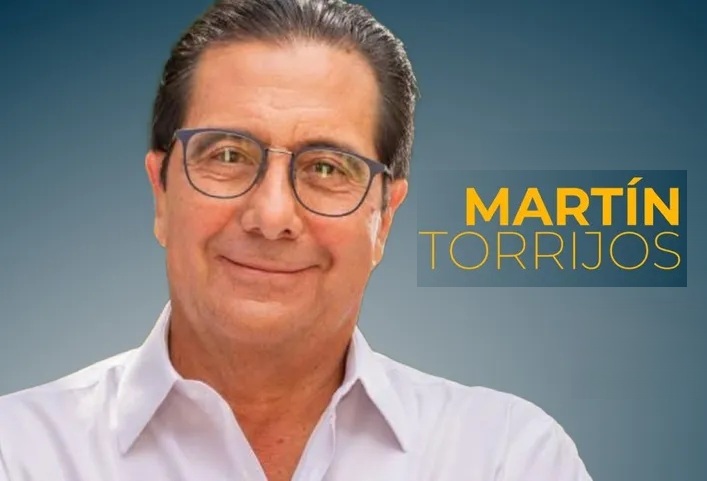
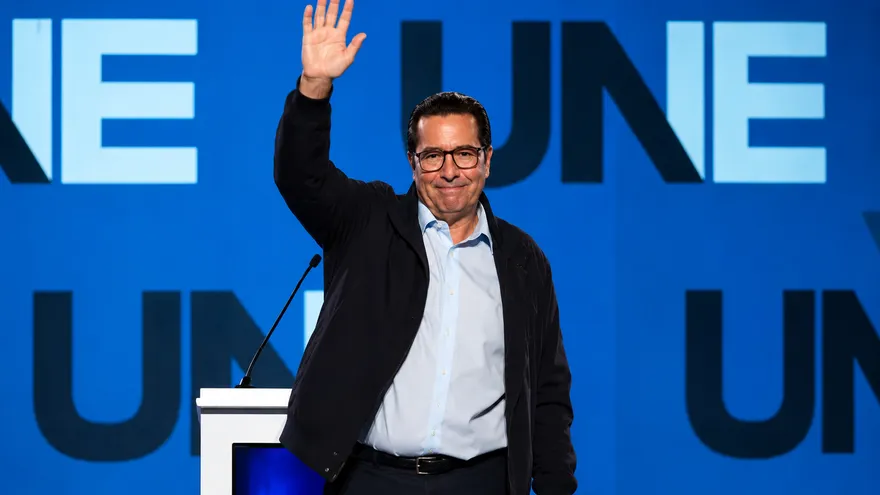
Former Panamanian president Martín Torrijos has launched a new political platform called UNE, presenting it as an alternative to the country’s traditional party structure. He said the movement is intended to avoid becoming “just another traditional party” and instead position itself as a different kind of political option ahead of the 2029 election cycle. Torrijos also signaled that he is preparing for a return to the electoral stage in 2029, adding a new name to the early field of figures already beginning to position themselves for Panama’s next general election. His announcement places him back at the center of national political discussion more than a decade after leaving the presidency.
The launch comes at a time when many Panamanians have expressed frustration with established political forces and with the broader credibility of public institutions. New platforms that promise to break with the status quo often seek to capture that mood, especially when economic concerns, corruption debates, and governance questions remain prominent in public life. By framing UNE as something different from a conventional party, Torrijos is trying to tap into voter fatigue with the existing political model. Whether that message resonates will depend on how much organization the platform can build and whether it can present a concrete agenda beyond its breakaway image.
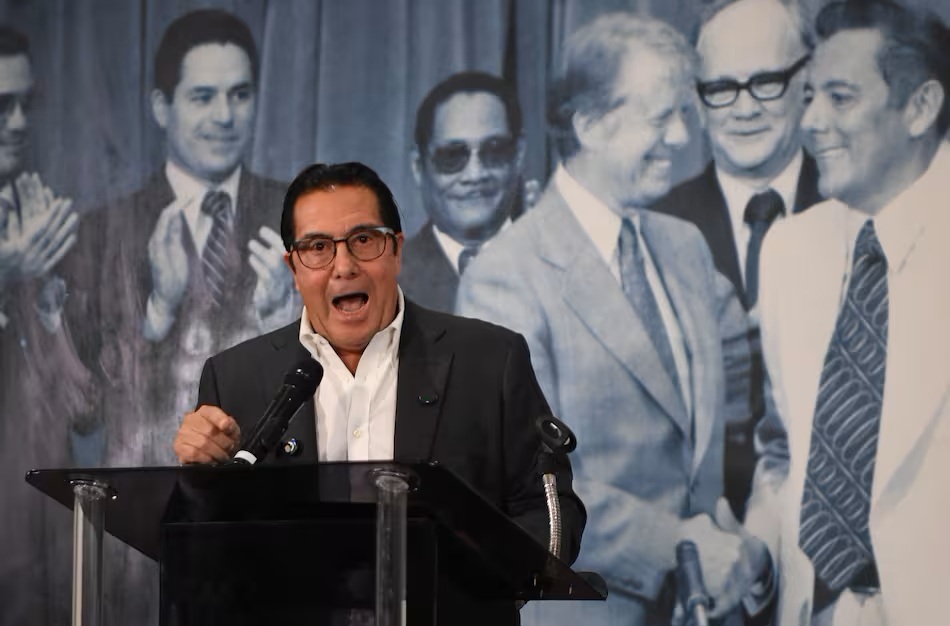
Alongside the political launch, Torrijos proposed a plebiscite on the mine, pushing a direct public vote as a way to settle a deeply divisive issue. Mining has been one of Panama’s most politically sensitive topics in recent years, with environmental concerns, social mobilization, and questions over the state’s regulatory role placing it at the center of national debate. A plebiscite would elevate the issue from institutional decision-making to a broader popular consultation, a move that could appeal to those who want a clearer democratic mandate on a matter that has repeatedly triggered protests and political tension. It would also raise major questions about timing, legal authority, and how such a vote would be framed for the public.
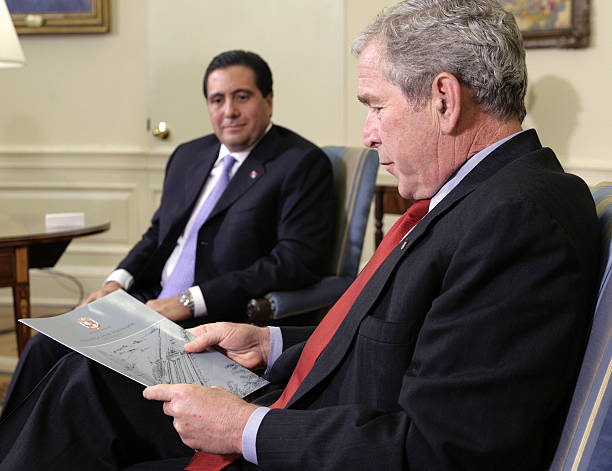
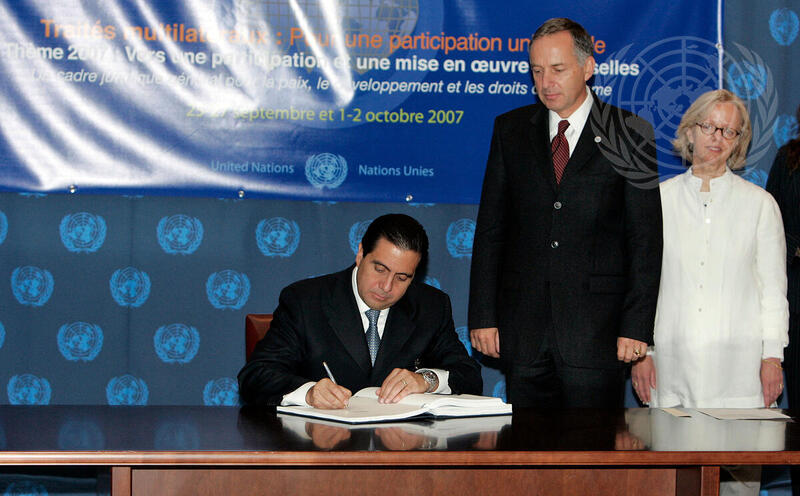
Torrijos governed Panama from 2004 to 2009 and remains a recognizable name in national politics. His reappearance with a new platform suggests that Panama’s 2029 race is beginning to take shape earlier than many voters may expect, with established figures and possible new alliances likely to test the public mood over the next few years. The move also reflects a broader pattern in Panamanian politics, where new vehicles are often created to appeal to voters who want change without necessarily abandoning familiar leadership. That balance can be difficult to achieve, especially in a country where voters have repeatedly punished traditional parties when they are seen as disconnected from everyday concerns.
The key question now is whether UNE develops into a serious national structure or remains primarily a political launchpad. Panamanians will also be watching for any further definition of Torrijos’ position on mining, since a plebiscite proposal can become a major campaign issue if it gains traction. As the 2029 election cycle takes shape, the early signals from Torrijos suggest that mining, institutional reform, and anti-establishment messaging could become central themes in the next phase of Panama’s political debate.
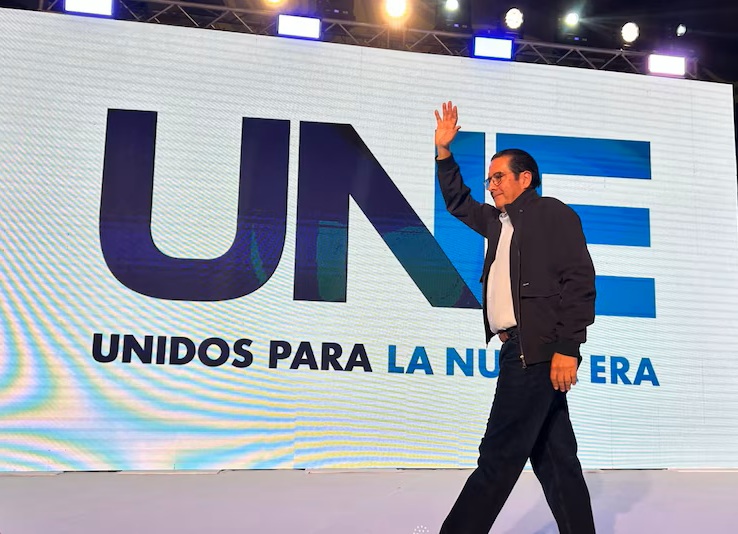
Former Panamanian president Martín Torrijos has launched a new political platform called UNE, presenting it as an alternative to the country’s traditional party structure. He said the movement is intended to avoid becoming “just another traditional party” and instead position itself as a different kind of political option ahead of the 2029 election cycle. Torrijos also signaled that he is preparing for a return to the electoral stage in 2029, adding a new name to the early field of figures already beginning to position themselves for Panama’s next general election. His announcement places him back at the center of national political discussion more than a decade after leaving the presidency.
The launch comes at a time when many Panamanians have expressed frustration with established political forces and with the broader credibility of public institutions. New platforms that promise to break with the status quo often seek to capture that mood, especially when economic concerns, corruption debates, and governance questions remain prominent in public life. By framing UNE as something different from a conventional party, Torrijos is trying to tap into voter fatigue with the existing political model. Whether that message resonates will depend on how much organization the platform can build and whether it can present a concrete agenda beyond its breakaway image.
Alongside the political launch, Torrijos proposed a plebiscite on the mine, pushing a direct public vote as a way to settle a deeply divisive issue. Mining has been one of Panama’s most politically sensitive topics in recent years, with environmental concerns, social mobilization, and questions over the state’s regulatory role placing it at the center of national debate. A plebiscite would elevate the issue from institutional decision-making to a broader popular consultation, a move that could appeal to those who want a clearer democratic mandate on a matter that has repeatedly triggered protests and political tension. It would also raise major questions about timing, legal authority, and how such a vote would be framed for the public.
Torrijos governed Panama from 2004 to 2009 and remains a recognizable name in national politics. His reappearance with a new platform suggests that Panama’s 2029 race is beginning to take shape earlier than many voters may expect, with established figures and possible new alliances likely to test the public mood over the next few years. The move also reflects a broader pattern in Panamanian politics, where new vehicles are often created to appeal to voters who want change without necessarily abandoning familiar leadership. That balance can be difficult to achieve, especially in a country where voters have repeatedly punished traditional parties when they are seen as disconnected from everyday concerns.
The key question now is whether UNE develops into a serious national structure or remains primarily a political launchpad. Panamanians will also be watching for any further definition of Torrijos’ position on mining, since a plebiscite proposal can become a major campaign issue if it gains traction. As the 2029 election cycle takes shape, the early signals from Torrijos suggest that mining, institutional reform, and anti-establishment messaging could become central themes in the next phase of Panama’s political debate.