New Proposals Approved as Talks Aim to End the Iran War
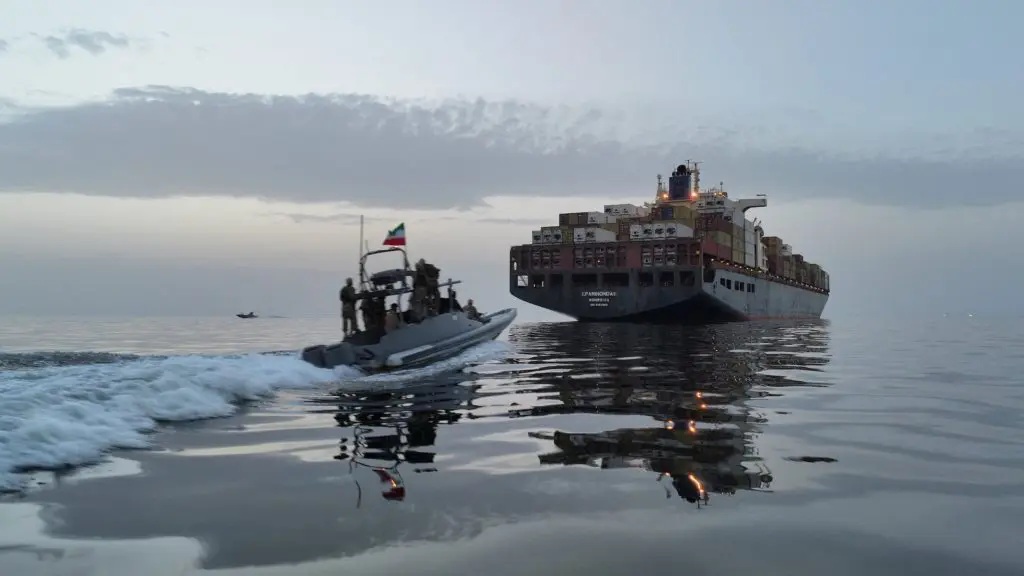
The United States and Iran have exchanged new proposals aimed at ending the war, with President Donald Trump saying there is a “very good chance” the two sides are nearing an agreement. The emerging framework would reportedly take the form of a negotiated memorandum of understanding that limits Iran’s nuclear program and reopens the Strait of Hormuz, a critical shipping lane that has remained heavily constrained since the fighting began. Trump said Wednesday that negotiations between Washington and Tehran are moving toward a deal. The proposed arrangement would seek to halt the war through a diplomatic understanding rather than a formal treaty, with provisions designed to curb Iran’s nuclear activity and restore maritime access through the Strait of Hormuz.
The waterway sits at the center of the crisis. Iran has held a chokehold over the strait since the war began, while U.S. warships have maintained a blockade in response. Any agreement that changes conditions there would immediately affect global shipping and energy flows, given the strait’s role as one of the world’s most important transit corridors for oil and other cargo. The confrontation between the United States and Iran has raised fears of a broader regional war and intensified pressure on global markets. The Strait of Hormuz, which links the Persian Gulf to the Gulf of Oman, is a strategic chokepoint through which a large share of the world’s seaborne oil passes. Disruption there can quickly ripple through energy prices, shipping insurance costs, and supply chains far beyond the Middle East.
Iran’s nuclear program has long been a flashpoint in relations with the West. Previous negotiations have centered on limiting enrichment levels, inspections, and the pace of nuclear development in exchange for sanctions relief or security guarantees. A memorandum of understanding would not necessarily settle every dispute, but it could establish a pathway toward de-escalation and a broader ceasefire. The United States has also relied on naval power in the region to protect shipping and deter attacks on commercial vessels. That posture has helped keep pressure on Tehran while giving Washington leverage in any talks. At the same time, the longer the conflict drags on, the greater the risk of miscalculation in one of the world’s most heavily militarized waterways.
A deal that reopens the Strait of Hormuz would carry immediate global significance. Energy markets would likely respond quickly, and exporters as well as importers across Europe, Asia and the Americas would be watching for any sign that shipping routes can normalize. For Panama and Latin America, the stakes are indirect but real: higher oil prices and disrupted maritime trade can raise transport costs, feed inflation, and complicate supply chains that depend on stable global shipping. The talks also matter geopolitically because they test whether direct negotiations can still produce results in a conflict that has already drawn in military force and threatened regional stability. If the two sides can agree on nuclear limits and maritime access, it would mark a major diplomatic shift with consequences well beyond the Middle East. If they fail, the risks to global commerce and security remain high.