How to Spot Structural Issues Before They Become Serious

Most structural problems do not start with dramatic failures. They begin quietly, often with small changes that are easy to overlook. A minor crack, a slight shift, or a subtle change in performance can all signal something deeper.
The difficulty is that these early signs rarely feel urgent. Everything still seems to be working, so it is easy to delay action. By the time the issue becomes obvious, the damage is often more advanced and costly to fix.
That is why early detection matters. Methods such as mpi testing are designed to uncover hidden flaws before they become visible, allowing problems to be addressed at a much earlier stage.
Small signs often point to bigger issues
Cracks and surface changes
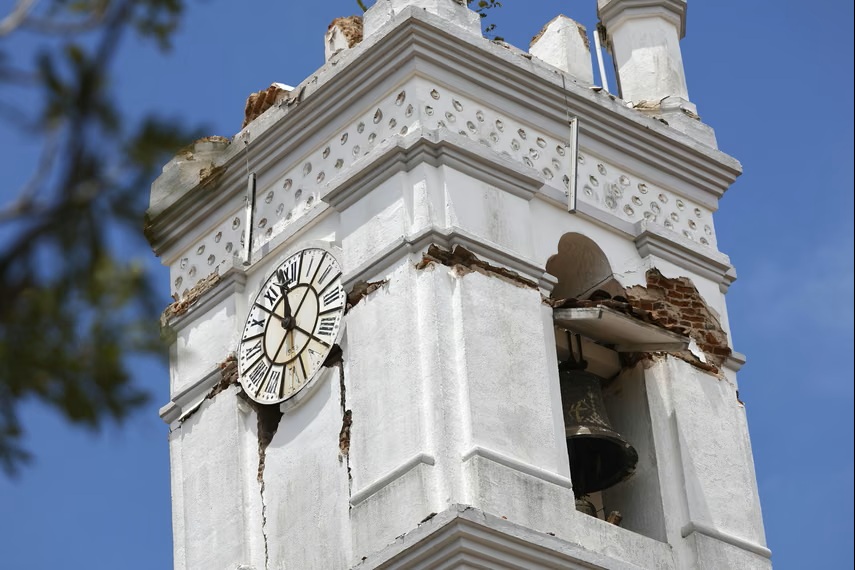
Hairline cracks are one of the most common early indicators of structural stress. While some are harmless, others can signal movement, pressure, or material fatigue.
The key is not to ignore them. Changes in size, direction, or frequency can provide important clues about what is happening beneath the surface.
Unusual sounds or movement
Creaking, shifting, or vibrations may seem minor, but they can indicate that something is under strain. These signs often appear before visible damage develops.
Paying attention to these changes can help you identify issues earlier.
Environmental factors accelerate problems
Moisture and corrosion
Water is one of the most common causes of structural damage. It can weaken materials, encourage corrosion, and create conditions where defects develop more quickly.
Areas exposed to moisture should be monitored closely, especially if there are signs of leaks or poor drainage.
Temperature changes and stress
Expansion and contraction caused by temperature shifts can place stress on materials. Over time, this repeated movement can lead to cracks or weakened connections.
Understanding how the environment affects your structure helps explain why certain issues appear.
Visual inspections have limitations
What you can see is only part of the picture
Regular visual checks are important, but they only reveal surface-level issues. Many structural problems develop internally or in hidden areas.
Relying solely on what is visible can create a false sense of security.
The risk of hidden defects
Internal flaws can grow over time without any obvious signs. By the time they reach the surface, the damage may already be significant.
This is why deeper inspection methods are often necessary.
Routine checks make a difference
Consistency helps track changes
Regular inspections allow you to notice patterns and changes over time. What might seem minor during a single check can become more meaningful when viewed in context.
Keeping a simple record of observations can help identify trends.
Focusing on high-risk areas
Certain areas are more prone to issues than others. Points of stress, joints, and areas exposed to environmental factors should receive extra attention.
Targeting these areas improves the chances of catching problems early.
Early action reduces long-term impact
Addressing issues before they escalate
Small problems are usually easier and less expensive to fix. Acting early can prevent the need for more complex repairs later.
Ignoring early signs allows defects to grow and spread.
Preventing secondary damage
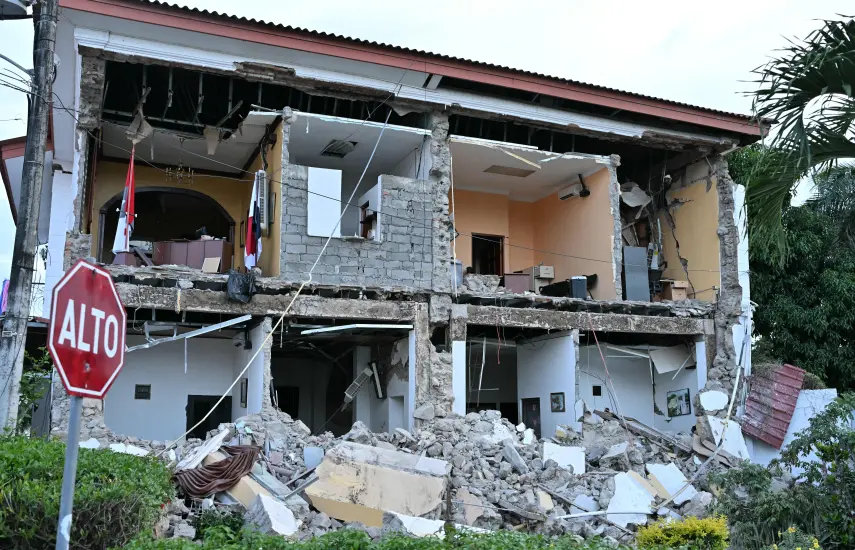
Structural issues rarely stay isolated. A small defect can lead to additional stress on surrounding areas, creating a chain reaction.
Taking action early helps contain the problem.
Understanding when to go beyond basic checks
Recognising the limits of routine inspection
There comes a point where visual checks and basic observations are not enough. If there are persistent signs of stress or uncertainty about the condition of a structure, more detailed evaluation is needed.
Knowing when to escalate is an important part of prevention.
Using appropriate assessment methods
Different situations require different approaches. Some defects can only be detected with specialised techniques that go beyond surface inspection.
Choosing the right method ensures that hidden issues are not missed.
Building a proactive approach
Shifting from reactive to preventative thinking
Waiting for something to go wrong is rarely effective. A proactive approach focuses on identifying potential issues before they become visible.
This mindset reduces risk and improves long-term reliability.
Encouraging awareness and attention
Being aware of how structures behave and recognising early signs of change can make a significant difference. Small observations, when taken seriously, can prevent larger problems.
Developing this awareness is one of the most effective ways to protect any structure.
Bringing it all together
Spotting structural issues early is about paying attention to small details and understanding what they might indicate. Cracks, movement, environmental factors, and subtle changes all provide valuable information.
By combining regular observation with the right inspection methods and a proactive mindset, it becomes much easier to catch problems before they become serious. Acting early not only reduces costs but also helps maintain safety and reliability over time.