Why Most Multi Vehicle Incidents Occur at Major Roadway Crossings
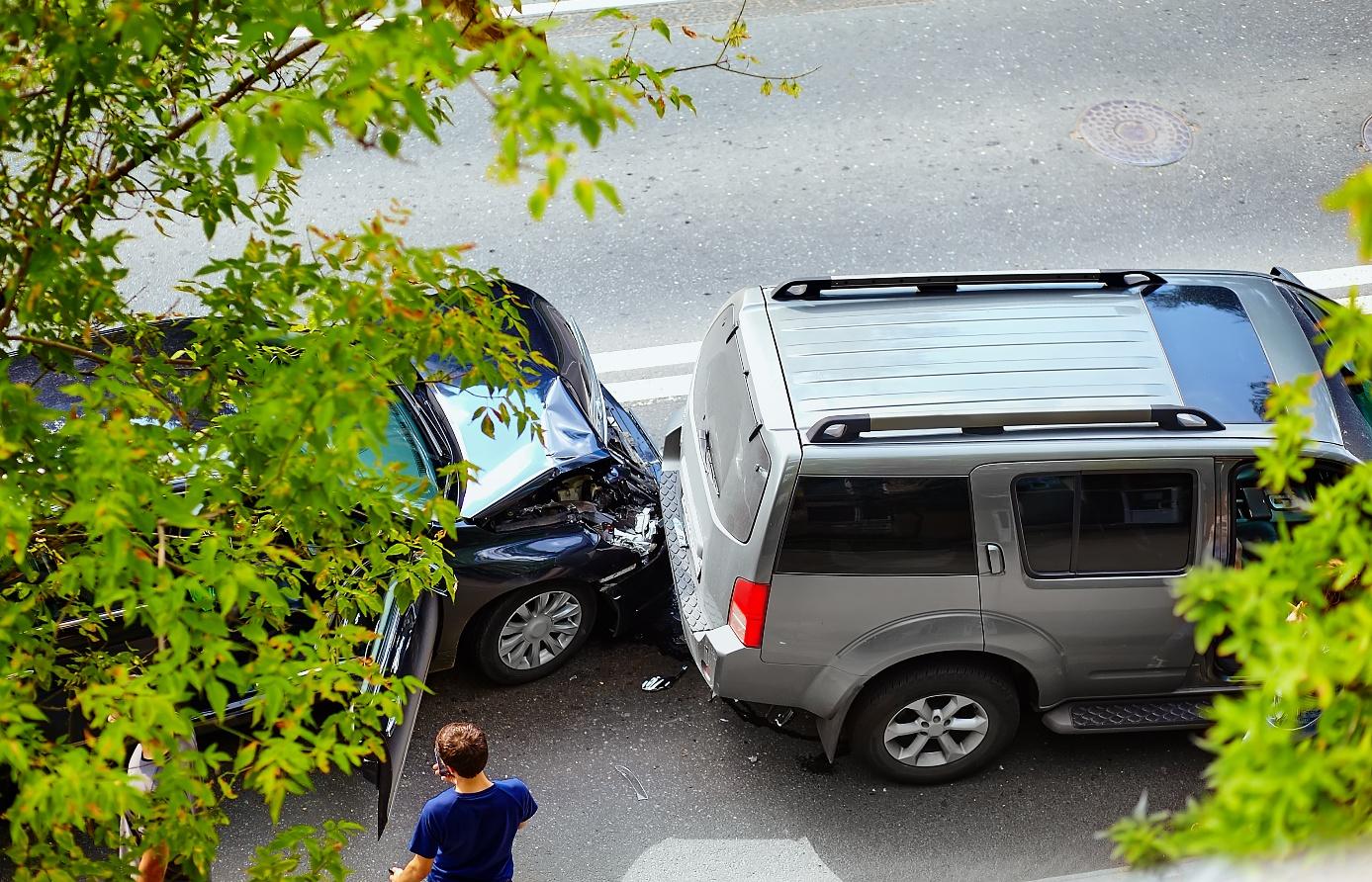
Crossings are the busiest nodes in any transportation network. They bring together drivers from different directions, creating a complex web of movements. Every turn and stop requires perfect coordination between motorists who are often in a significant hurry to reach their destinations.
When this coordination fails, the results are frequently devastating for those involved. Traffic lights and stop signs are meant to provide order, yet they often become the primary sites for serious trauma. A single error in judgment can lead to a disaster.
Most of these events happen because drivers fail to respect the inherent risks of shared space. Navigating these conflict points safely requires constant vigilance to avoid the high costs of intersection crashes. Staying alert is the best way to prevent a life-altering event.
The Psychological Pressure of Intersection Safety
T-bone collisions are some of the most dangerous events that occur on the road today. They often happen during an improper left-hand turn when a driver misjudges the speed of oncoming traffic. The side of a vehicle offers very little protection for passengers.
Impatience plays a massive role in how motorists behave when they see a signal transition. The urge to beat the light leads people to accelerate when they should be preparing to stop. This reckless choice creates a hazard for everyone in the immediate area.
Clearing a crossing before the light turns red is a common goal for many commuters. However, this split-second decision can lead to a violent impact if the cross traffic starts moving too early. Respecting the yellow light is vital for maintaining roadway order.
Engineering Factors in Signal Failures
Human error is often exacerbated by infrastructure that isn’t maintained to the highest standards. Obscured signage or faded lane markings can confuse even the most careful drivers who are unfamiliar with the area. Clear communication is essential for safe transit through busy crossings.
Poorly timed yellow lights also contribute to the frequency of collisions at major road junctions. If a transition is too short, drivers are caught in a zone where they cannot stop safely. This mechanical oversight leads to thousands of avoidable accidents every single year.
Heavy traffic volume makes it incredibly difficult to judge gaps in the flow of cars. When a driver feels pressured by a line of vehicles behind them, they might take a risk they’d otherwise avoid. Managing this mental load is a critical skill.
Protecting Vulnerable Road Users
Pedestrians and cyclists are the most vulnerable users of the road during signal changes. They rely on drivers to follow the rules, but a distracted motorist can easily miss a person stepping into a crosswalk. These strikes result in some of the worst injuries.
Determining right-of-way becomes a legal nightmare when a signal is malfunctioning or dark. Without the guidance of a light, many drivers revert to aggressive habits that lead to confusion and crashes. These situations require extreme caution and a slow approach from every direction.
Modern law provides a framework for these disputes, but the physical damage is already done. Protecting those outside of a vehicle must be a priority for city planners and drivers alike. A safer crossing is one where everyone is visible and respected by others.
Evidence and Modern Safety Designs
Establishing the sequence of events after a collision often requires looking at digital evidence. Red-light camera footage provides an objective view of who had the right-of-way and when they entered. This data is essential for resolving disputes and holding the right party accountable.
Witness accounts add a human element to the investigation that cameras might miss entirely. Hearing from those who saw the incident helps reconstruct the behavior of the drivers involved. These stories are a vital part of the overall evidence chain for any legal case.
Engineering solutions like roundabouts are becoming more popular as a way to reduce high-speed impacts. By forcing cars to slow down and move in one direction, they eliminate the risk of a head-on or side-impact crash. These designs are saving lives every day.
Conclusion
Defensive driving techniques are the best way to navigate the complexities of modern crossings. Always looking both ways, even when the light is green, can prevent a tragedy caused by someone else’s mistake. Taking an extra second to be sure is always worth it.
Intersections remain the primary focus for roadway safety because they’re where the most risks converge. Improving the design and enforcement at these locations is a goal for every major city. Safer roads are possible with a commitment to better habits and infrastructure.
Staying focused on the task at hand is the only way to ensure a safe trip through the city. By respecting the signals and the other people on the road, we can reduce the trauma of collisions. A careful driver is the best safety feature.