Sustainable Fabrication Trends Transforming Corporate Showcases Within Global Events Industry
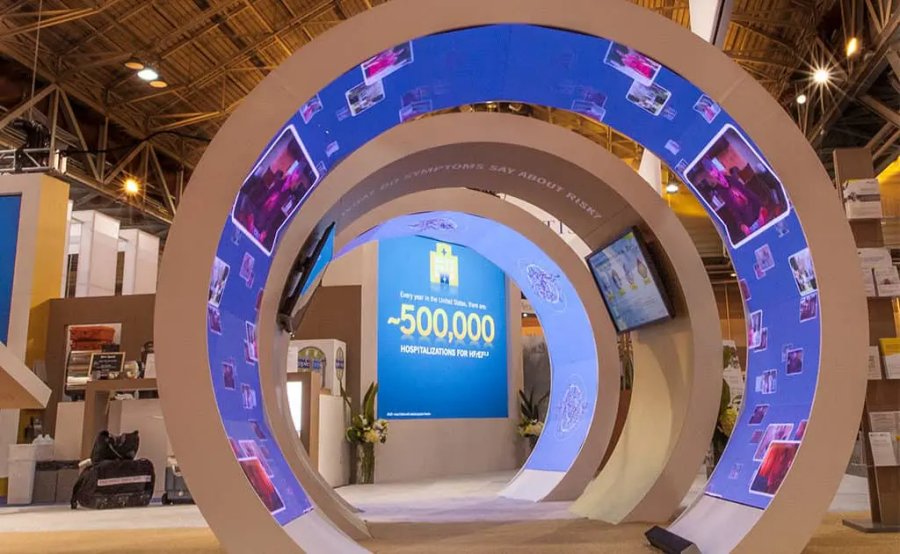
Trade fairs may seem like a maze of gleaming displays, piles of printed materials, and set-up and dismantling. But there is a change that lurks behind that dynamism. The question that the brands are posing now is, is it possible to present well with no waste? Change has already been spotted, in case you have worked on tradeshow displays. Lightweight frames, cloth graphics, rental systems are not fads just by coincidence. They react to price pressure, customer demand, and tighter regulations. This article dissects the way low-impact fabrication is transforming the event space, and insight that you can implement immediately.
Global Event Sector Shift Toward Low-Impact Fabrication
The exhibitors and organizers of the event have been put under a distinct pressure to minimize waste and emissions. Organizations such as UFI note that sustainability is one of the primary issues of the world exhibitors. That change is not merely rhetoric that it influences budgets, design decisions, and the choice of vendors.
It is now mandatory that waste reports and energy plans are provided in many venues. Large exhibition halls monitor the amount of material discarded to landfill at the end of every event. Those brands that disregard these rules are likely to face increased fees or restrictions to important locations.
This shift is influenced by three obvious drivers:
- Cost management: reuse saves on expenditure.
- Client demand: customers are attracted to environmentally conscious partners.
- Regulation: restaurants have waste and energy restrictions.
Clients request carbon estimates, out of direct project work, prior to approving booth builds. That one request has transformed the way tradeshow displays are planned initially.
Material Choices That Cut Waste and Emissions
Material selection now plays a central role in sustainable tradeshow displays. The aim is clear: reduce waste, extend use, and lower transport weight.
Aluminum frames lead this change. They are light, strong, and reusable for years. Many systems now include up to 70% recycled aluminum, which cuts emissions compared to new production.
Wood still has value, but with tighter standards. Builders now use:
- FSC-certified plywood
- Low-emission composite boards
- Water-based coatings
Fabric graphics are replacing rigid panels in many setups. Polyester fabric made from recycled bottles offers strong print quality and folds into compact cases. This can reduce shipping volume by up to 60%, based on logistics data from event contractors.
Other important shifts include:
- Bioplastics for short-term signage
- Cardboard structures for one-time use cases
- Non-toxic inks for all print surfaces
From experience, one retail brand reduced booth waste by half after switching from PVC panels to fabric graphics. The design still looked premium, yet disposal costs dropped in a clear and measurable way. That kind of result is why more companies rethink material use.
Modular Stand Design That Extends Use Cycles
When the base is made out of materials, sustainability becomes feasible in a modular design. Companies are no longer constructing new booths at every event and instead they are using flexible systems which can fit in a variety of layouts.
A modular stand is based on standardized components, including frames, connectors, and panels. These can be moved around on events without recreation. This enables small and large booths to use the same core system.
Key features include:
- Assemble without using tools which saves setup time.
- Common sizes that accommodate various floor plans.
- Collapsible freight that reduces transportation requirements.
Logistics is one of the greatest benefits. Modular systems are fitted into smaller cases thus minimizing the amount of shipments. That reduces fuel consumption and expenditure directly.
Rental models go the extra mile. Alternatively, rather than owning all the parts, brands rent structures that are reused among a large number of clients. This is effective in companies that have small number of events annually.
Based on first hand experience, a multinational technology firm ended up cutting its yearly booth budget by approximately 30 percent after switching to a modular system. Meanwhile, it maintained a similar brand appearance throughout events, which can be challenging with custom builds.
When switching to it take into account several important points:
- How many times do your team visit events per year?
- Do you require varying booth sizes in locations?
- Are you able to store and control reusable parts?
Modular design is not restrictive to creativity. Rather, it alters the thinking of teams. Designers shift to one time to reusable systems. The change renders sustainable tradeshow exhibits viable and economical in the long term.
Energy Use and Power Systems on Show Floors
The consumption of energy is usually not considered but contributes significantly to the overall effects of tradeshow exhibits. During events, lighting, screens and demo units can operate 8-12 hours a day. That is a lot of money. Most of the venues are currently tracking the amount of electricity used by each exhibitor, compelling brands to be more strategic.
The standard is now LED lighting. It consumes up to 75% of the amount of energy being used by older halogen systems and generates less heat, which is more comfortable on the floor. Intelligent controls – timers and motion sensors are used to minimize idle power when there is no traffic.
SEG Solution systems are also conducive to saving energy. Fabric graphics weigh less hence they do not need as much structural support and powered elements to be displayed. When combined with LED strips, backlit SEG frames provide a high visual effect at a reduced wattage.
In real-world experience, the transition to LED backlit SEG Solution displays decreased power requirements by almost 40% in one project, and no visual quality was sacrificed.
Print, Graphics, and Digital Display Choices
Graphics define how a booth looks, but they also affect waste levels. Traditional rigid panels often end up discarded after one event. That’s changing fast.
Fabric prints, especially SEG Solution graphics, allow reuse across multiple shows. They fold, ship easily, and can be updated without replacing full structures. This reduces both cost and waste.
Digital displays also reduce print needs. Tablets and screens now replace printed catalogs and brochures. QR codes give visitors instant access to product details without paper use.
Key improvements include:
- Reusable fabric graphics
- Water-based inks
- Reduced print volume through digital tools
From experience, brands that switch to digital-first displays often cut print waste by over 50% within a year.
Conclusion Supply Chain and Local Production Strategies
Sustainable fabrication does not end with design it depends on how and where materials are sourced and built. Transport alone can account for a large share of emissions in tradeshow displays.
Local production helps reduce this impact. Building booth elements near the event location lowers shipping distance and cost. It also avoids delays linked to customs and long-haul freight.
Many companies now:
- Work with regional suppliers
- Reuse transport cases
- Plan reverse logistics for returns and reuse
In one project, shifting to local build partners reduced delivery time by three days and cut transport costs by 25%.
When combined with systems like SEG Solution and modular design, local sourcing creates a complete, practical approach to low-impact exhibition. It’s not just better for the environment it’s also more efficient and reliable for long-term use.