How Camping Trips Can Strengthen Communication Between Parents and Kids
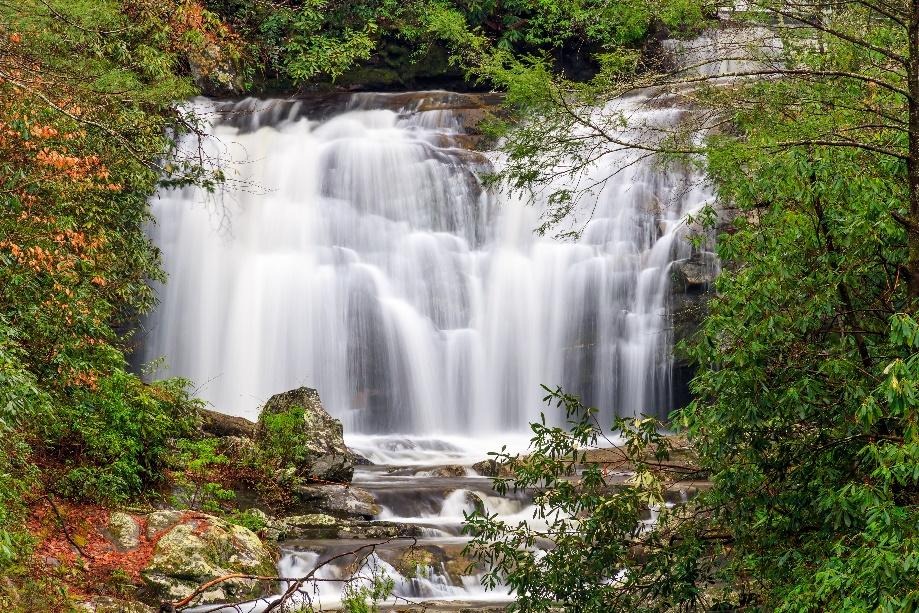
There’s something about the Smoky Mountains that strips away the noise of daily life. When families pack up and head into those misty peaks, they leave behind the screens, the schedules, and the constant rush that makes real conversation so hard at home. Camping in this part of the world offers parents and kids something rare: unhurried time together, face to face, with nothing competing for attention.
Communication between parents and children doesn’t break down overnight. It erodes slowly, one missed conversation at a time, one evening lost to separate screens, one car ride spent in silence. The good news is that it can be rebuilt just as gradually, and few settings are better for that rebuilding than a campsite surrounded by trees, fresh air, and the sound of a crackling fire.
Sharing New Experiences in the Heart of Nature
One of the most powerful ways to open up communication is to share something new together. When a family steps into an unfamiliar setting, the usual dynamic shifts. Kids who barely talk at home suddenly have questions about everything around them, and parents who default to giving instructions find themselves figuring things out alongside their children instead.
The Smoky Mountains are built for that kind of shared discovery. Every trail has something unexpected waiting around the next bend, and every evening around the fire pit turns into a chance to talk about what the day brought. These shared moments plant seeds for deeper conversations.
Uncle Jim’s River Cove Campground is the perfect spot for families chasing an unforgettable Smoky Mountains camping experience. The campground offers spacious sites that work whether a family shows up with a simple tent or a full-size RV, and each spot comes with full hookups, a fire pit, a charcoal grill, and a picnic table. That kind of setup means less time wrestling with logistics and more time actually being together.
When kids and parents are both slightly outside their comfort zones, something interesting happens. The usual roles soften. A parent who normally gives directions might need help from a teenager who watched a YouTube video about knot tying. A child who rarely speaks up at home might become the one pointing out animal tracks along a trail. Nature has a way of leveling the playing field, and that shift alone can unlock conversations that wouldn’t happen anywhere else.
Why Unplugging Changes Everything
Modern family life runs on connectivity, and that connectivity comes at a cost. Parents check work emails at the table. Kids scroll through social media while half-listening to a question. Everyone is present in body but somewhere else in mind. Camping interrupts that pattern in a way that feels natural rather than forced.
When cell service drops and the Wi-Fi disappears, families don’t just lose their devices. They gain each other. Without the option to retreat into a screen, kids and parents start filling the silence with actual words. It might feel awkward at first. There might be long pauses. But those pauses are where real communication begins, in the space between one person finishing a thought and another gathering the courage to share something honest.
It’s not about banning technology or making kids feel punished. It’s about creating an environment where talking to each other becomes the most interesting option available.
Campfire Conversations and the Art of Listening
There’s a reason campfire talks have become almost legendary in family lore. Something about sitting in a circle, watching flames dance, and feeling the warmth on your face makes people open up. The fire becomes a focal point, and not having to make direct eye contact can actually make harder conversations easier.
Parents often report that their kids say things around a campfire that they would never say at home. Maybe it’s the darkness that provides a sense of privacy. Maybe it’s the relaxed atmosphere. Maybe it’s simply that everyone is tired from a day of hiking and swimming, and the defenses are down. Whatever the reason, these moments are gold for family communication.
The key is not to force it. A parent who sits down at the fire and immediately launches into a serious talk will get the same eye rolls they get at home. But a parent who roasts a marshmallow, tells a funny story from their own childhood, and then lets the silence do its work will often be surprised by what comes next. Kids open up when they feel safe, unhurried, and genuinely heard. A campfire provides all three.
Working Together Builds Trust
Communication doesn’t always mean deep conversations. Sometimes it’s built through action. Camping is full of small tasks that require cooperation: gathering firewood, cooking a meal over an open flame, packing up a campsite efficiently. These tasks create a rhythm of back-and-forth communication that strengthens the overall connection between parents and kids.
When a parent asks a child to help with something at a campsite, it sends a message that goes beyond the task itself. It says, “I trust you. I think you’re capable. Your contribution matters.” For kids, especially teenagers who are navigating their own identity, that message is powerful. It builds confidence, and confident kids communicate more openly.
Making It a Habit Worth Keeping
One camping trip can open a door. Regular trips can keep it open. Families who make outdoor adventures a recurring part of their lives often find that the communication patterns they develop around a campsite start showing up at home. The patience learned while waiting for a fish to bite translates into patience during a tough homework session. The openness of a campfire chat carries over into car rides and kitchen conversations.
It doesn’t have to be elaborate. Even a single overnight trip to a nearby campground can reset the way a family talks to each other. The important thing is consistency and intention. Parents who approach camping not just as recreation but as an investment in their relationship with their kids will see returns that go far beyond the trip itself.