Why Panama’s Commercial Real Estate Sector Is Investing in Intelligent Security Systems
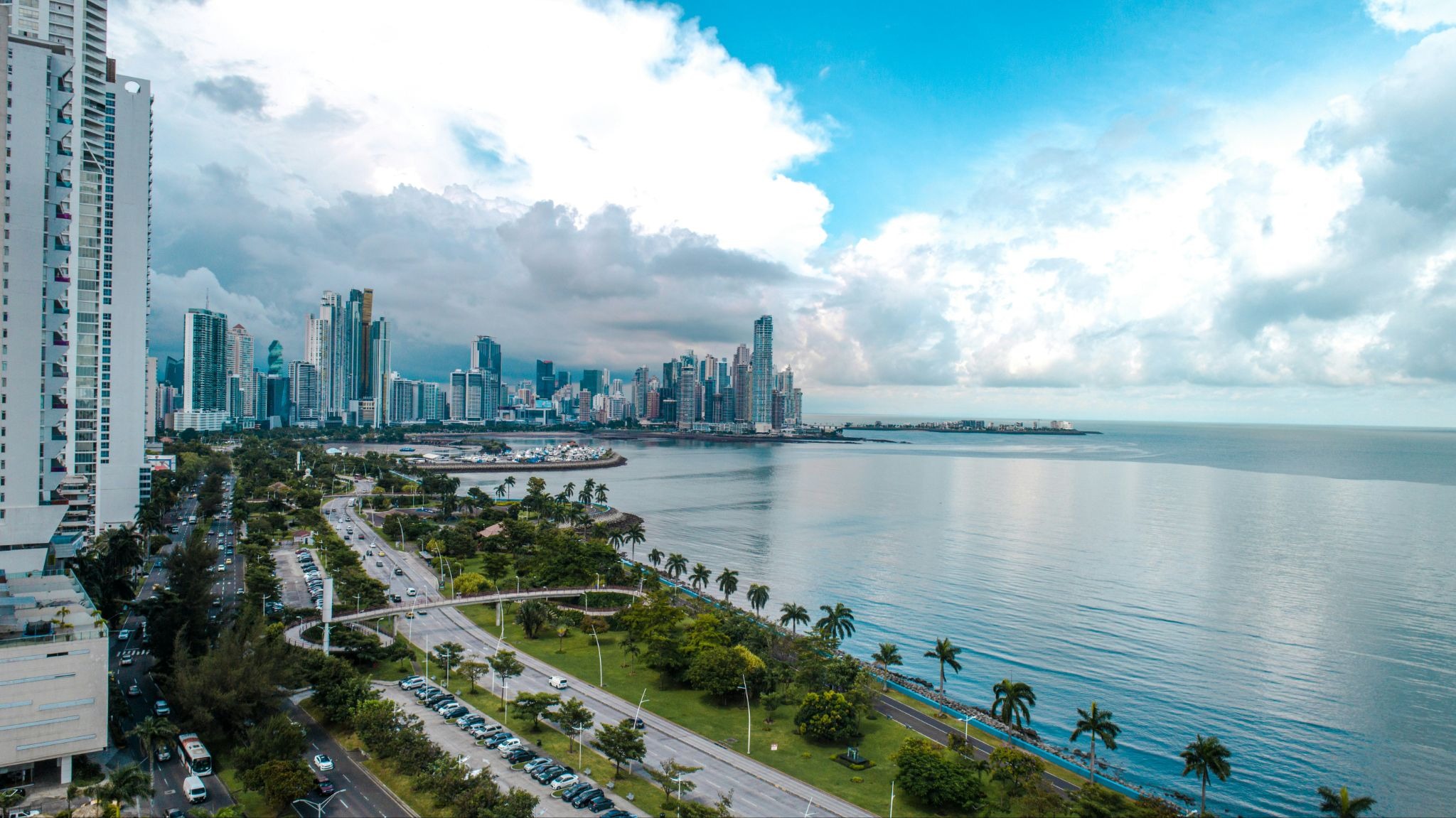
Panama has become one of Latin America’s most attractive destinations for commercial real estate investment. Thanks to its strategic location, the Panama Canal, expanding logistics industry, and business-friendly environment, demand for office buildings, warehouses, retail centers, and mixed-use developments continues to grow. In fact, real estate accounted for approximately 14.9% of Panama’s GDP in the first half of 2024, making it one of the country’s largest economic sectors. At the same time, Panama remains a global trade hub, with the Canal facilitating around 6% of global maritime trade, creating continuous demand for commercial properties.
As investments increase, so do security expectations. Modern commercial buildings must protect tenants, employees, visitors, and valuable assets while operating efficiently across multiple locations. Traditional CCTV and standalone alarm systems are no longer enough for today’s commercial properties, where owners need real-time visibility, remote management, and faster incident response.
This shift explains why intelligent commercial security systems are becoming a priority across Panama’s commercial real estate sector. In this article, you’ll discover the key reasons behind this growing investment trend and how AI-powered security technologies are helping property owners improve safety, operational efficiency, and long-term property value.
1. Commercial Properties Face More Complex Security Risks Than Ever
Commercial real estate today involves much more than protecting a single building. A modern office tower may include corporate offices, restaurants, retail stores, parking garages, delivery zones, and shared workspaces. Warehouses handle valuable inventory, while mixed-use developments welcome thousands of visitors every day.
Every additional tenant, visitor, contractor, and delivery increases the number of security events that property managers must monitor.
Traditional surveillance often records incidents without preventing them. Security teams must manually review hours of footage after an incident occurs, delaying investigations and increasing operational costs.
Intelligent security systems change this approach by helping teams identify unusual activity as it happens, allowing faster intervention before minor incidents become major problems.
Some common challenges include:
- Unauthorized visitors entering restricted areas
- Tailgating through secured entrances
- Vehicle access violations
- Package theft
- After-hours building access
- Suspicious behaviour around loading docks
Instead of reacting after the fact, property managers can monitor these events in real time.
2. AI Powered Commercial Security Systems Improve Building Operations
Security has evolved from simply protecting buildings to improving overall operations.
For example, platforms like Coram demonstrate how modern commercial security systems combine AI video analytics, cloud-based access control, remote monitoring, intelligent alerts, visitor management, and emergency response into a single platform. Rather than replacing existing cameras, the platform works with many existing security devices while providing real-time visibility through one cloud dashboard. This allows commercial property managers to monitor multiple buildings, receive AI-generated alerts, manage access remotely, and investigate incidents much faster.
This unified approach reduces operational complexity while helping security teams respond more efficiently across distributed commercial properties.
3. Remote Property Management Has Become a Business Necessity
Commercial real estate companies rarely manage just one building.
Many developers operate office complexes, shopping centers, industrial parks, residential towers, and warehouses across different cities. Managing separate security systems at each location creates unnecessary complexity.
Cloud-based intelligent security platforms solve this challenge by allowing managers to:
- Monitor every property from one dashboard
- Receive instant mobile alerts
- Review live or recorded video remotely
- Manage employee and contractor access
- Lock or unlock doors from anywhere
- Verify incidents without visiting the site
This reduces travel costs while improving operational efficiency.
For property management companies overseeing multiple facilities, remote visibility has become one of the biggest advantages of intelligent security systems.
4. Better Tenant Experience Increases Property Value
Security directly influences leasing decisions.
Businesses want office space where employees feel safe. Retail tenants prefer shopping centers with strong surveillance, controlled access, and reliable incident response.
A secure building creates confidence for:
- Corporate tenants
- International companies
- Retail brands
- Healthcare providers
- Financial institutions
When tenants trust the property’s security, lease renewals often improve and vacancy rates may decrease.
Developers increasingly view security investments as part of the tenant experience rather than simply another operating expense.
This is particularly important in Panama, where multinational companies continue expanding regional operations because of the country’s strategic business environment.
5. AI Helps Security Teams Respond Faster
Modern commercial properties generate enormous amounts of video every day.
A large office complex with hundreds of cameras can easily produce thousands of hours of footage each week.
Reviewing that footage manually is both expensive and inefficient.
Artificial intelligence dramatically reduces this workload by automatically detecting unusual activity, including:
- Unauthorized entry
- Loitering
- People entering restricted areas
- Forced door openings
- Vehicle movement in prohibited zones
- After-hours activity
Instead of watching every camera continuously, security personnel receive alerts only when attention is required.
This improves response times while allowing security teams to focus on actual risks rather than routine monitoring.
6. Intelligent Security Supports Long-Term Investment Growth
Commercial property owners think beyond today’s operations.
They invest in technologies that continue delivering value for years.
The global commercial security systems market was valued at over USD 202 billion in 2024 and is projected to exceed USD 540 billion by 2033, reflecting growing demand for AI-powered surveillance, cloud management, and intelligent access control across commercial buildings.
These investments provide long-term benefits such as:
- Lower security operating costs
- Improved incident investigations
- Better compliance reporting
- Increased operational efficiency
- Easier expansion across new properties
- Reduced reliance on manual monitoring
Rather than upgrading multiple disconnected systems every few years, property owners can build scalable security infrastructure that grows alongside their portfolios.
7. Smart Buildings Need Smart Security
Commercial real estate is becoming increasingly connected.
Today’s buildings integrate HVAC systems, lighting, elevators, visitor management, parking, access control, and surveillance through connected technologies.
Security must evolve alongside these smart building initiatives.
Intelligent security systems help create a more connected property ecosystem by providing:
- Centralized security management
- Automated access permissions
- Faster emergency response
- Data-driven operational insights
- Improved coordination between building management and security teams
As Panama continues attracting foreign investment and expanding commercial developments, intelligent security will become an expected feature rather than a competitive advantage.
Developers who invest today position themselves to meet future tenant expectations while protecting valuable real estate assets more effectively.
Frequently Asked Questions
Why is Panama investing more in intelligent commercial security systems?
Panama’s growing commercial real estate sector, expanding logistics industry, and increasing number of multinational businesses require stronger security solutions that improve safety, operational efficiency, and remote property management.
What are commercial security systems?
Commercial security systems combine surveillance cameras, access control, AI analytics, alarms, visitor management, and remote monitoring to help businesses protect people, property, and assets.
How does AI improve commercial building security?
AI analyzes live video feeds to identify suspicious activities such as unauthorized access, loitering, forced entry, or unusual behaviour. This allows security teams to respond much faster than relying on manual monitoring.
Are cloud-based security systems suitable for multiple properties?
Yes. Cloud-based platforms allow property managers to monitor several buildings, control access, receive alerts, and investigate incidents from a single dashboard, making them ideal for commercial real estate portfolios.
Conclusion
Panama’s commercial real estate market is entering a new phase where intelligent security is becoming just as important as location, design, and tenant amenities. As office buildings, retail centers, logistics hubs, and mixed-use developments continue to expand, property owners need security solutions that go beyond recording incidents.
Modern commercial security systems help improve operational efficiency, strengthen tenant confidence, reduce risks, and support long-term growth. The question is no longer whether intelligent security is worth the investment, but whether commercial properties can afford to operate without it.