
Panama’s Fintech Boom: Why the Country Is Becoming Latin America’s Digital Payments Crossroads
Guest Contribution – By Daniel R. | Fintech and digital infrastructure analyst
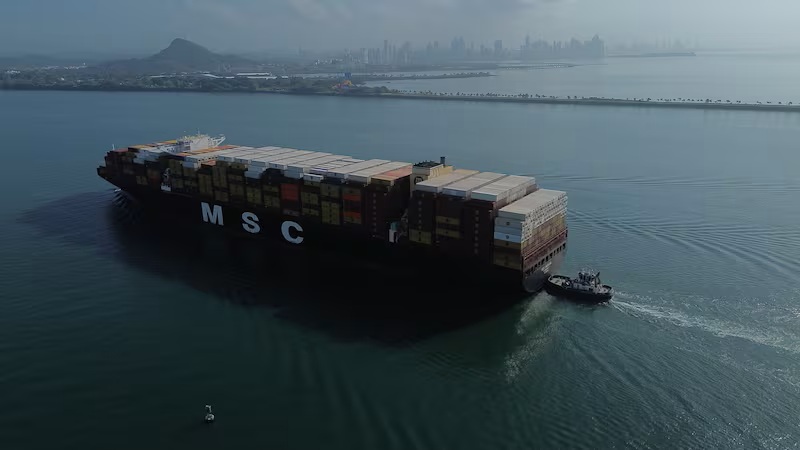
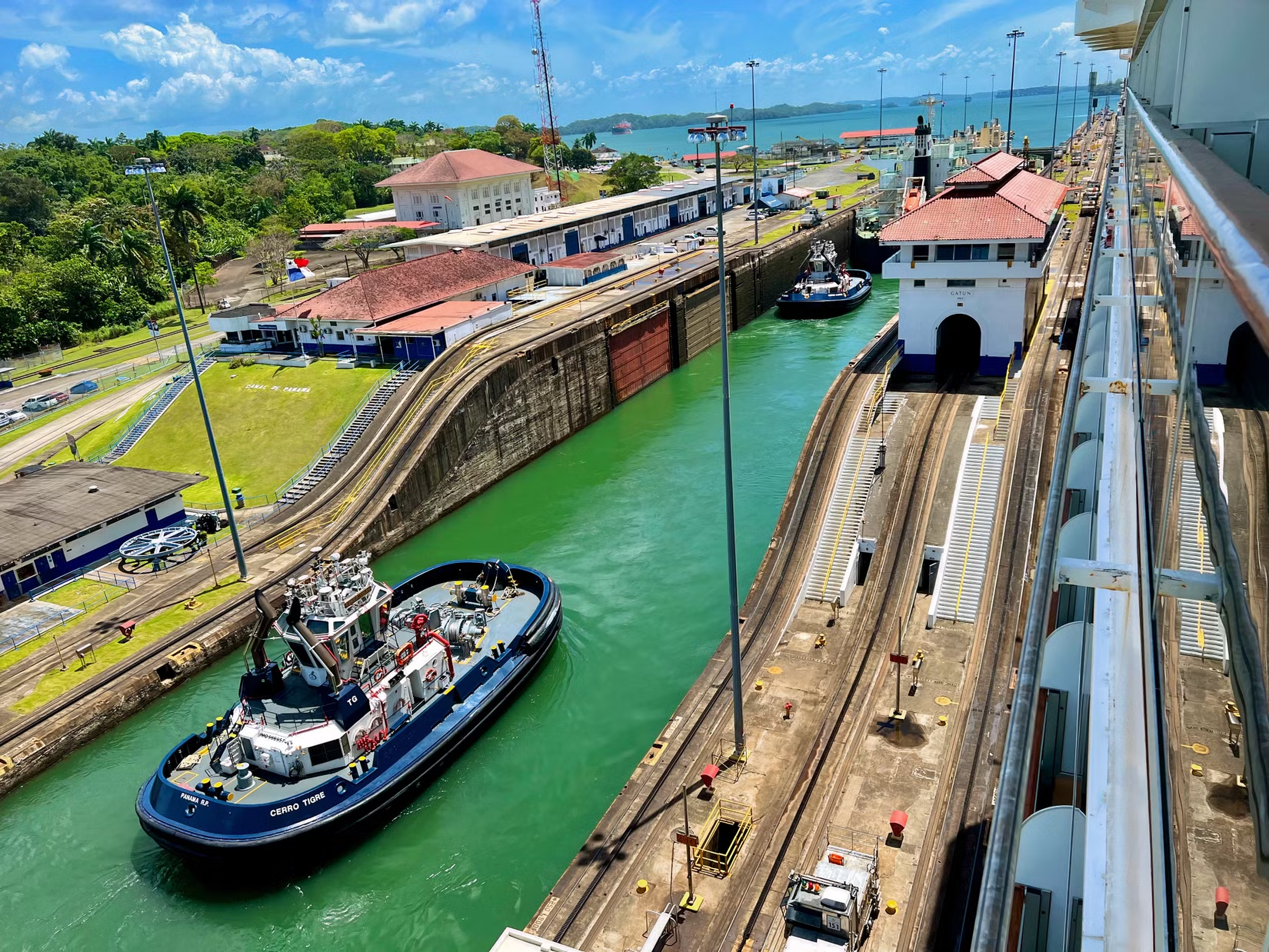
The Panama Canal just logged its 31,000th Neopanamax transit. Record tonnage, record revenue, the whole ceremony. Impressive numbers, and the kind of story that lands well at investor dinners. But there’s a quieter crossroads forming in Panama right now. One measured in API calls and settlement windows rather than container ships. And it matters just as much to anyone doing business in the region.
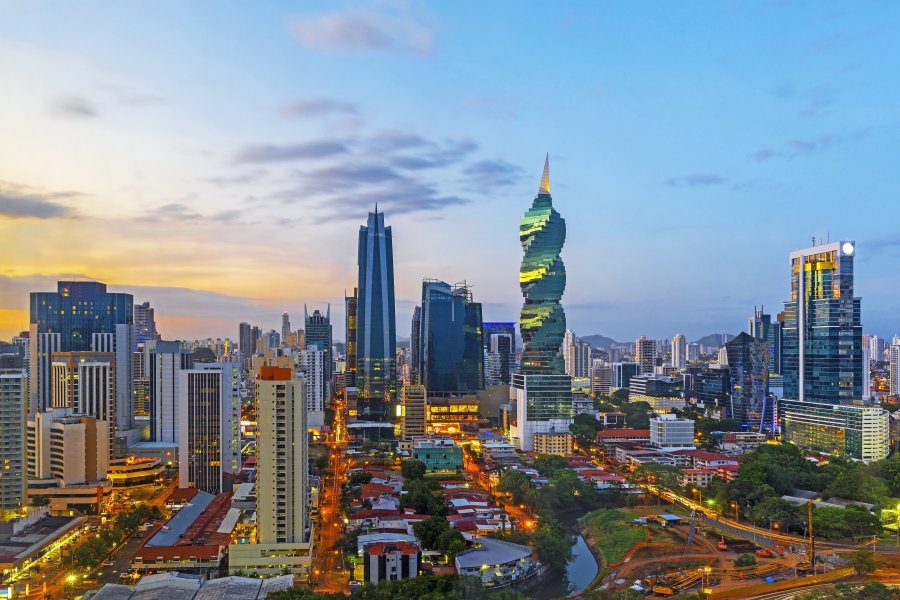
Digital payments infrastructure is converging on Panama faster than most people in the fintech press have noticed. Cross-border corridors, crypto remittance rails, neobank licensing, and e-wallet penetration are all accelerating at the same moment. For expats moving money, entrepreneurs building regional products, and investors watching where the next layer of Latin American financial infrastructure gets built, this is the story worth tracking in 2026.
Why Panama? The Geographic and Regulatory Case
The geography argument almost writes itself. Panama sits between two oceans and borders Colombia, which gives it a natural node position in any Latin American payments network. But geography is table stakes. What’s actually driving fintech activity here is a combination of dollarization, relatively open corporate law, and a regulatory posture that has been. Cautiously. Leaning toward digital finance.
The U.S. Dollar as official currency eliminates foreign exchange risk that kills most regional fintech plays before they scale. Build a product here and your unit economics don’t get eaten by a currency devaluation in month eight. That’s not nothing. Brazil, Mexico, and Colombia all have strong fintech scenes, but they’re building on local currencies with volatility exposure baked in.
According to the U.S. International Trade Administration’s commercial guide on Panama’s strategic technologies, the country has been actively courting digital finance operators through targeted incentives and a modernizing regulatory framework designed to attract regional headquarters rather than just licensing shells. That’s a meaningful distinction: the goal isn’t to be the next Curaçao of fintech licensing. It’s to be the place where the actual product teams sit.
The Payment Rails Being Built Right Now
The World Bank documented a 130-fold increase in fast payment transactions across Latin America since 2020. One hundred and thirty times. That number is staggering even accounting for a low base, and Panama is not insulated from that wave. It’s trying to position itself as the switch in the middle of it.
Three corridors matter most.
First, the US-to-Panama-to-Colombia remittance corridor. Colombians working in Panama (and Panamanians working in the US) move significant volumes of money in both directions. Traditional wire transfer fees on this corridor run 4, 7%. Crypto rails, particularly USDT on Tron and increasingly USDC on Stellar, are cutting that to under 1% with settlement under three minutes. Several neobanks operating out of Panama City’s fintech cluster are building specifically around this use case.
Second, the regional B2B cross-border settlement layer. Small and medium businesses across Central America have historically been underserved by correspondent banking. When a Guatemalan importer needs to pay a Panamanian supplier, the traditional path runs through Miami correspondent banks, adds two to four business days, and levies fees that are opaque by design. New API-based payment processors licensed in Panama are collapsing that to same-day settlement with transparent fee schedules.
Third, e-commerce collection infrastructure. Panama’s domestic e-commerce adoption has accelerated sharply since 2022. The infrastructure being built to handle domestic collections is inherently regional. The same payment page that accepts a Panamanian card can route a Costa Rican or Peruvian card through the same stack. Panama is becoming the acquirer of choice for e-commerce operators who want Latin American coverage without building entity-by-entity across seven jurisdictions.
Digital Entertainment Platforms and the Skill-Game Economy
One underappreciated beneficiary of faster settlement infrastructure is the digital entertainment sector. When you cut cross-border transaction time from days to seconds and drop fees from 5% to under 1%, a whole category of content platforms that previously couldn’t monetize across borders suddenly becomes viable.
Skill-game platforms and poker content communities are a clear example. These are businesses with inherently international audiences. Someone in Panama City watches the same tournament coverage as someone in Buenos Aires or Madrid. But they’ve historically struggled with payment fragmentation across markets. Faster rails change that calculus directly. pokertube, the poker video and content platform, is a concrete instance of this shift: a platform whose user growth tracks the expansion of reliable digital payment access in exactly the markets that Panama’s new fintech corridors are opening up. The connection isn’t incidental. Better payment infrastructure means more paying users in markets that were previously cash-only or bank-excluded.
Play responsibly and only wager what you can afford to lose. If gambling is becoming a concern, visit BeGambleAware.org.
Beyond poker content, you’re seeing the same pattern in streaming subscriptions, in-app purchases for mobile games, and digital goods marketplaces. All of them were throttled by the same payment friction. All of them are growing as that friction drops.
The Neobank Layer: Who’s Actually Building Here
Several neobanks have quietly set up operations in Panama in the last 18 months. Not all are public about it. The licensing process is still slower than founders would like. But the pipeline is real.
The profile of what’s getting built is interesting. These aren’t retail consumer neobanks targeting the mass market with a slick app and a debit card. Most of them are infrastructure-layer plays: virtual IBANs for regional businesses, FX management tools for Panama-based companies with multi-currency exposure, payroll distribution systems for companies with employees across Central America.
That’s the right business model for this market. Panama’s domestic retail banking penetration is reasonably high by regional standards. The opportunity isn’t convincing Panamanians to switch from Banistmo to a neobank. It’s building the B2B rails that existing banks don’t want to build because the margins don’t work at their cost structure.
J.P. Morgan’s analysis of Latin American cross-border payments notes that the region is now processing over $1 trillion annually in cross-border transactions, with the fastest-growing segments concentrated in corridors that run through dollarized or low-volatility economies. Panama sits directly in that description.
Crypto’s Specific Role: Remittances and the Unbanked Corridor
Crypto’s role in Panama’s payments story is more specific than the general narrative suggests. This isn’t about Bitcoin as a speculative asset or about Panama becoming a crypto haven in the offshore tax sense. It’s about stablecoins solving a concrete problem on specific corridors.
Around 15% of Panama’s population is Venezuelan-born or Venezuelan-descended, following the migration wave of 2017, 2021. Many of them have family members who need money sent to Venezuela, a country with no functioning correspondent banking and a hyperinflationary bolivar. USDT on Tron is, for this population, not a speculative instrument. It’s the only mechanism that works.
The same logic applies, in varying degrees, to Nicaraguan and Haitian communities in Panama. Traditional remittance infrastructure either doesn’t reach the destination or charges fees that consume 10, 12% of the transfer. Crypto rails don’t have that problem.
Panama’s regulatory response to this has been cautious but not hostile. The country hasn’t moved to ban crypto transfers the way some Caribbean jurisdictions have, and there’s been quiet acknowledgment in the Superintendency of Banks that ignoring stablecoin usage on these corridors isn’t a viable posture. Formal regulation is coming; the question is whether it shapes the market intelligently or tries to slow it down.
What Investors Should Watch in the Next 18 Months
Three signals worth tracking if you’re investing in or building around Panama’s digital payments story.
Regulatory timeline for a formal fintech licensing category. Panama currently doesn’t have a dedicated fintech license. Operators work under money transmission or e-money frameworks that were designed for a different era. A purpose-built fintech category would unlock a wave of new entrants and, more importantly, give existing players regulatory clarity to raise institutional capital.
The Tocumen Airport corridor. This sounds odd but it’s real: Panama City’s hub airport status means a disproportionate number of Latin American business travelers pass through. Several fintech companies are building products specifically targeting the business travel and FX-on-arrival use case. Watch for embedded finance products in the airport and transit corridor.
CBDC interoperability. The Banco Nacional de Panamá has been studying CBDC options since 2023, though public progress has been slow. If Panama moves on a digital balboa. Even a limited pilot. The implications for regional settlement would be significant. Dollarization makes this complicated (a digital balboa competing with digital dollars is an odd product), but the conversation is live.
Panama has been the transit point for physical commerce for five centuries. The case that it becomes a transit point for digital commerce is less poetic but equally compelling. The infrastructure is being built. The question is whether the regulatory framework catches up fast enough to retain the players who are currently building here.
—
Frequently Asked Questions
Why is Panama positioned as a fintech hub rather than larger markets like Brazil or Mexico?
Size isn’t the only advantage in fintech. Panama’s dollarization removes currency risk, its corporate law is flexible for regional holding structures, and its geographic position makes it a natural node between North and South American payment corridors. Brazil and Mexico have bigger domestic markets but more complex regulatory environments for cross-border operators.
How are crypto remittances actually used in Panama today?
Mostly through stablecoins. USDT and USDC. On low-fee networks like Tron and Stellar. Migrant communities with family in Venezuela, Nicaragua, or Haiti use them because traditional wire transfer infrastructure either fails entirely or charges fees of 8, 12%. Crypto cuts that to under 1% with near-instant settlement.
What is blocking faster fintech growth in Panama?
The main bottleneck is regulatory infrastructure. Panama lacks a dedicated fintech licensing category, which forces new operators to work under frameworks designed for traditional money transmission. That creates legal uncertainty and makes institutional fundraising harder. Most founders active here expect a purpose-built framework within two to three years.
Are neobanks in Panama targeting retail consumers or businesses?
Primarily businesses. The retail banking market in Panama is already reasonably well-served by established banks. The opportunity lies in B2B infrastructure: virtual IBANs, multi-currency payroll, API-based cross-border settlement for small and medium enterprises operating across Central America. That’s where the unmet demand sits.
How does Panama’s fintech growth affect expats living and working there?
Directly. Faster payment rails mean lower fees on international transfers, more options for receiving foreign income, and growing access to digital wallets that work across the region. Expats running businesses with regional suppliers or clients are the immediate beneficiaries of the cross-border settlement improvements currently being built.
________________________________________________________________________________________________________________
Advertisements placed in our Guest Contribution sections are in no way intended as endorsements of the advertised products, services, or related advertiser claims by NewsroomPanama.com, the website’s owners, affiliated societies, or the editors. Read more here.