A Significant Gastrointestinal Outbreak Linked to Norovirus Affected Over 2500 People in the David District of Chiriquí Province Panama
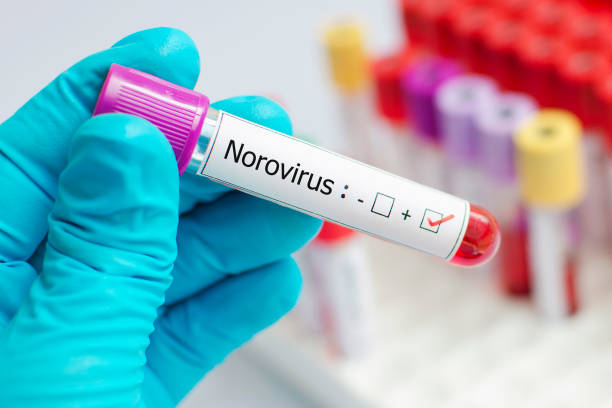
Health authorities formally ruled out drinking water as the transmission source. Norovirus outbreaks are most frequent during tropical rainy seasons. Cases are currently declining. Panama’s Ministry of Health (MINSA) and the Social Security Fund (CSS) have managed the situation and contained the spread without suspending classes. Because norovirus is highly contagious, health officials strongly advise reinforcing basic hygiene measures to prevent infection:
- Handwashing: Wash hands frequently with soap and water before preparing or eating food, and immediately after using the restroom. Hand sanitizer is less effective against norovirus.
- Surface Disinfection: Clean and disinfect contaminated surfaces using a bleach-based cleaner.
- Food Safety: Wash raw fruits and vegetables thoroughly, and ensure seafood is adequately cooked.
- Seek Medical Attention: If you experience severe vomiting, diarrhea, or signs of dehydration, seek immediate medical care.
Norovirus is a highly contagious virus that causes acute gastroenteritis, resulting in sudden, severe vomiting and watery diarrhea. Often referred to as the “stomach flu,” it is unrelated to influenza. Symptoms typically begin 12 to 48 hours after exposure and last one to three days.
Symptoms
Illness comes on rapidly and usually includes:
- Severe, watery diarrhea
- Projectile or intense vomiting
- Nausea and stomach cramping
- Low-grade fever, headache, and muscle aches
Transmission and Prevention
Norovirus is extremely hardy and spreads effortlessly. You can contract it by:
- Eating contaminated food or drinking infected water (it is the leading cause of foodborne illness)
- Touching surfaces contaminated with the virus and then touching your face or mouth
- Having close contact with an infected person
Prevention Tips:
- Wash your hands: Standard alcohol-based hand sanitizers are largely ineffective against norovirus. Always use soap and water for at least 20 seconds.
- Disinfect: Use a bleach-based cleaner on hard surfaces—especially after someone has been sick.
Treatment and Recovery
There is no prescription medication or specific antiviral to treat norovirus. The most important part of recovery is preventing dehydration.
- Drink plenty of fluids, preferably oral rehydration solutions rather than sugary sports drinks.
- Eat small, bland foods when your stomach can tolerate them.
- Consult a healthcare provider if you experience severe symptoms, bloody stools, or signs of dehydration (e.g., intense thirst, dark urine).