Shootouts in the Streets of Panama: Capture of Drug Lords Unleashes a Fierce ‘Power War’
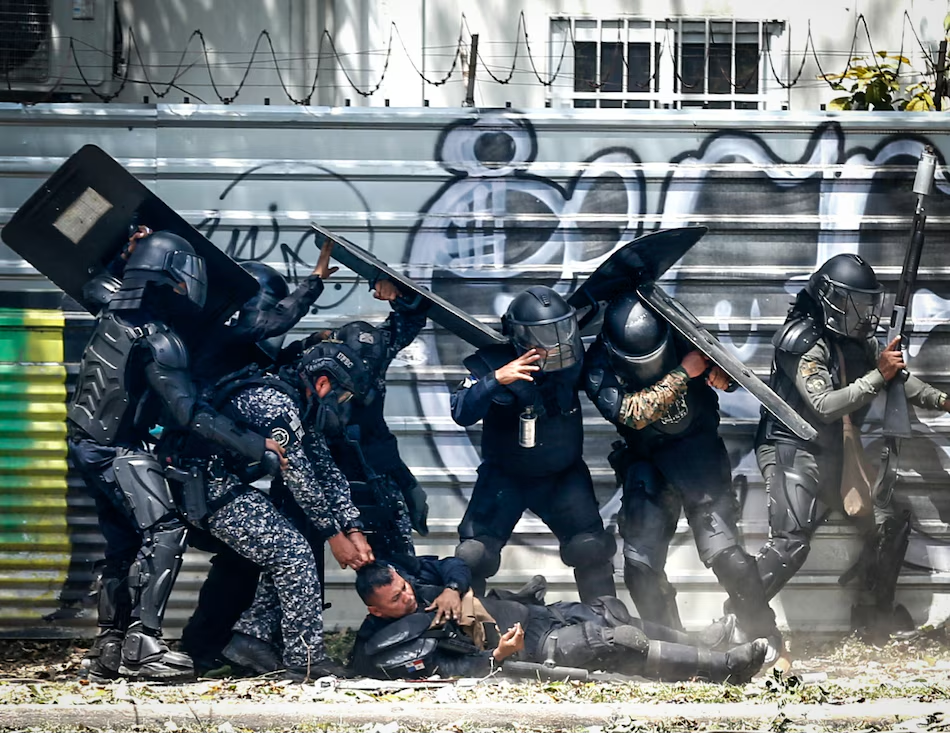
According to the police, the recent homicides, including the attack in La Locería, are a response to a violent internal restructuring of criminal gangs after the fall of their leaders. The country is facing a wave of crime, caused by internal fractures and power struggles within the upper echelons of organized crime, the National Police admitted in an official statement on Friday. According to the police, recent national and international intelligence operations led to the capture of key leaders of drug trafficking organizations. Simultaneously, the strategic transfer of these imprisoned leaders to the Coiba Penitentiary Center radically severed their communication with the operational cells that control different areas of the city.
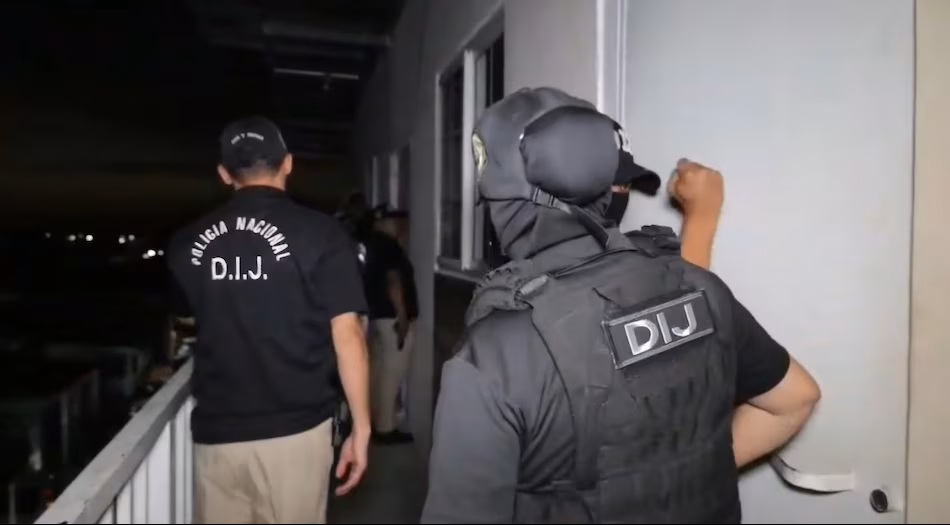
May 22 the Public Ministry and the National Police arrested several members of the Bagdad Santa Eduviges gang.
Shootouts and violent conflicts in Panama are primarily driven by territorial battles between heavily armed rival drug trafficking and micro-trafficking gangs (such as Bagdad and Calor Calor) and are heavily concentrated in specific marginalized neighborhoods. The most acute zones for gang-related gun violence in Panama City include:
- El Chorrillo
- Curundú
- Santa Ana
- Juan Díaz
- Colón City: This port city at the Caribbean entrance of the canal experiences notably higher crime and gun violence rates than the rest of the country.
High-Security Alerts & Corrections Data
- Prisons: Extreme, deadly shootouts occur occasionally within the country’s notoriously overcrowded prison system, such as inside the La Joya complex east of Panama City.
- National Protests: Street demonstrations—such as the widespread environmental protests over the Minera Panama copper mine contract—have occasionally descended into deadly violence when armed drivers opened fire on civilian demonstrators blocking roadways.
Safety Guidelines
- The Darien Gap: Avoid all travel to the Darien province along the Colombian border entirely due to the heavy presence of armed criminal groups, drug traffickers, and illicit migration routes.
- General Travel: While main tourist zones like the historic Casco Viejo and the banking/tourist hubs of Panama City are generally well-patrolled and safe, travelers should exercise high situational awareness, remain in well-lit, populated areas, and avoid wandering into known high-risk neighborhoods, especially after dark.