
Audit at the Copper Mine in Donoso Panama: Government Receives the Final Report
The Minister of Commerce, who leads the team, indicated that the report has already been published on the Ministry of Environment’s website; and asked citizens to read the report, or at least its conclusions, before forming an opinion.
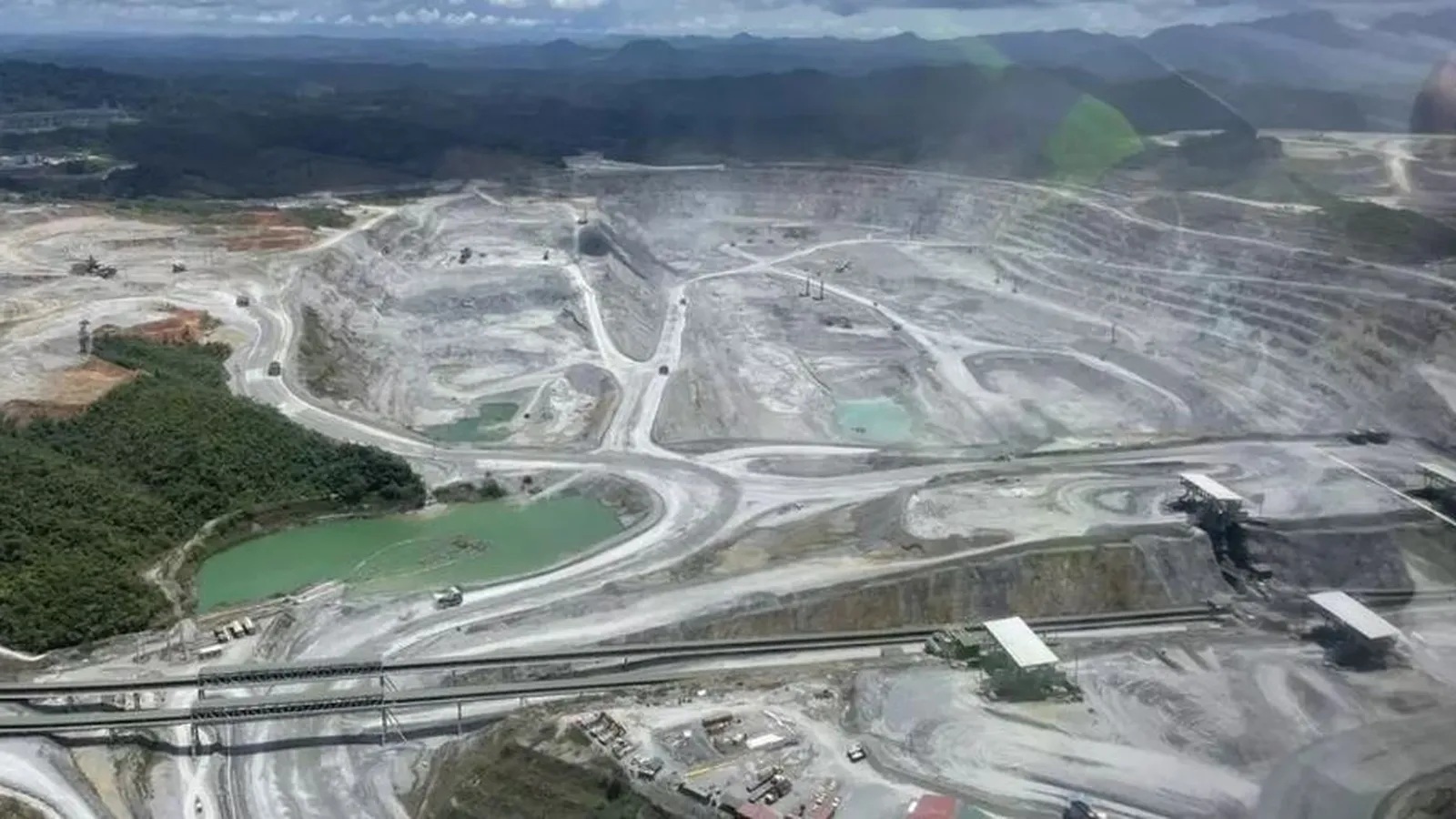
This Friday, June 19, the inter-institutional government team tasked with addressing the future of open-pit mining in Panama received the final report of the comprehensive audit conducted at the Cobre Panamá facilities. In a formal ceremony, a voluminous report was received by the ministerial team headed by the Ministers of Commerce and Industries, Julio Moltó; Environment, Juan Carlos Navarro; and Felipe Chapman of Economy and Finance. The Minister of Commerce, who leads the team, indicated that the report has already been published on the Ministry of Environment’s website.
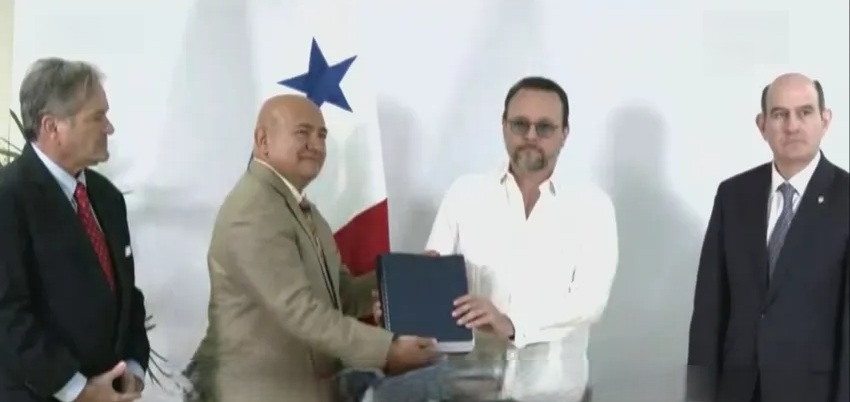
He asked citizens to read the report, or at least its conclusions, before forming an opinion. He noted that it was an audit conducted by an international firm from outside Panama, in the interest of transparency. The report said it will be analyzed by the government team and then the corresponding statements will be made. The Ministry of Environment (MiAmbiente) formalized the delivery of the order to proceed on October 10, 2025 to the company SGS Panama Control Services Inc., in charge of executing the Comprehensive Audit of the Panama Copper Mine Project, located in the district of Donoso, province of Colón.
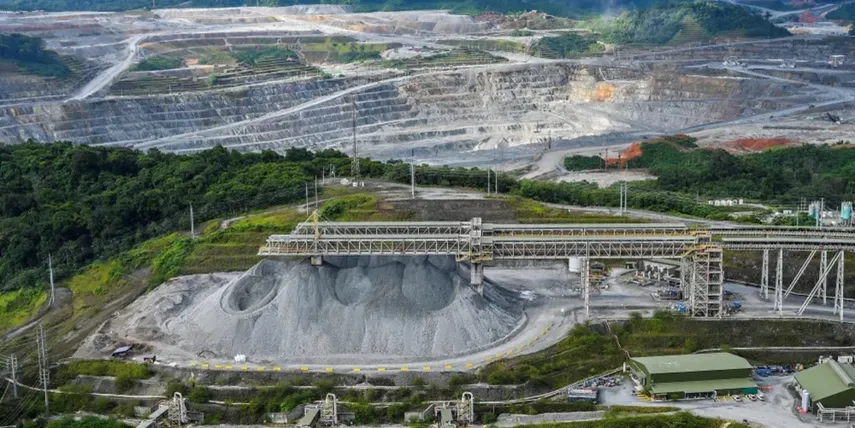
This administrative act officially initiated the technical, environmental, social, legal and tax evaluation process of the mining project, which seeks to verify the degree of compliance with applicable national and international regulations. The audit period was six months, starting from the date of registration in the PanamaCompras system.
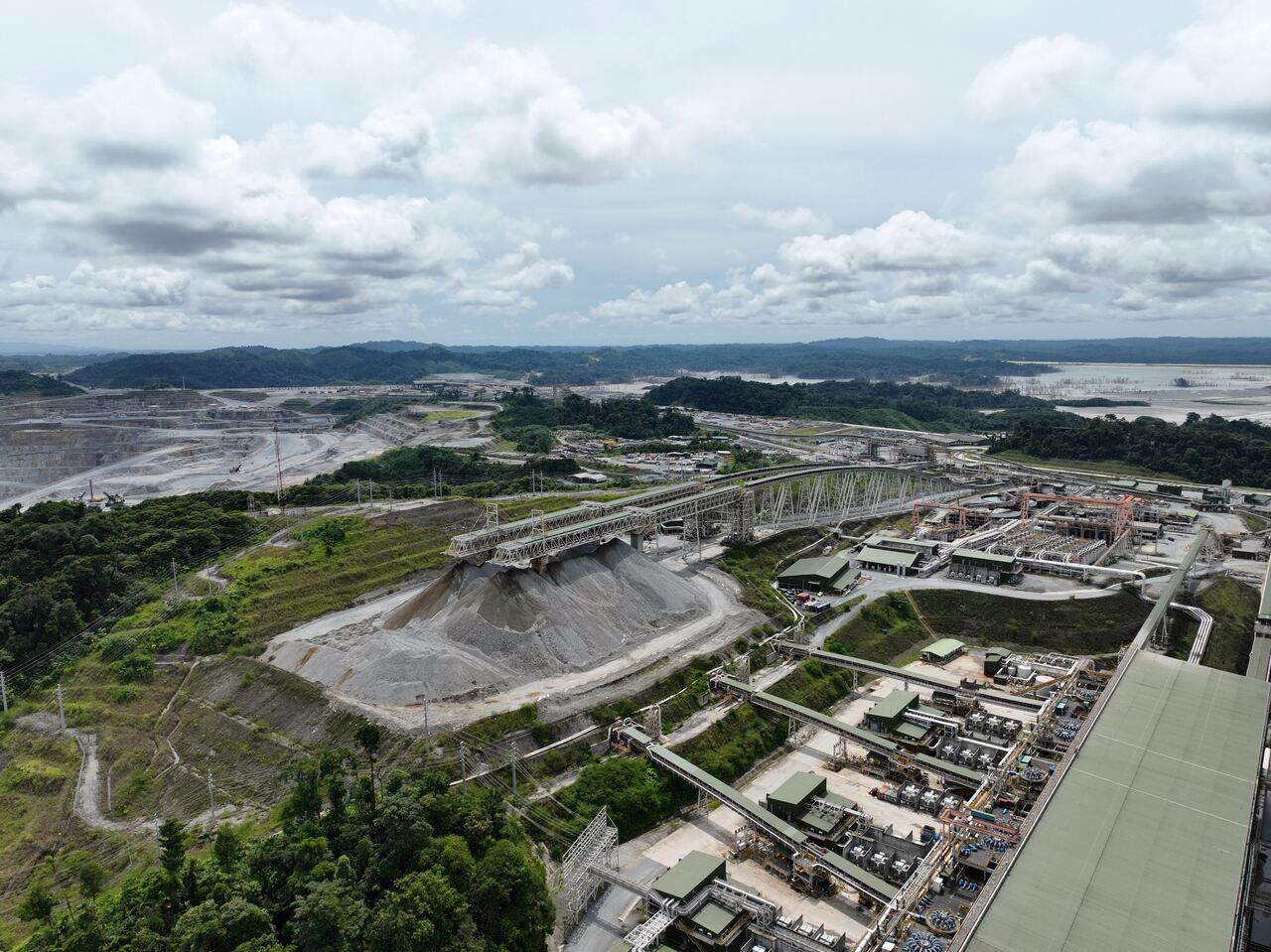
The contract was established with a total term of eight months, which concludes in June 2026. An additional two months were also allocated for the closing and settlement phase. During this time, field work, document review, and analysis of compliance with the technical parameters established in the Category III Environmental Impact Study (EIS) were carried out. Over eight months, the Ministry of Environment published four preliminary reports, which are available on the institution’s website.