Are Foldable Phones Worth Buying in 2026?
Foldable phones now sit beside regular flagships instead of feeling like quirky prototypes. Big brands refine hinges every year, displays crease less, and prices slide closer to standard premium phones. Shoppers in 2026 no longer ask whether foldables work; they ask whether they fit real daily needs. People want to know if the extra screen space actually boosts productivity, if hinges survive years of use, and if cameras, battery life, and software match the best slab phones. Major models now support strong water resistance, stylus input, and polished multitasking tools, turning them into portable workstations and media tablets. At the same time, mid‑range foldables appear with trimmed specs but lower prices, tempting buyers who once avoided the category. This guide explains how foldable phones changed, who gains the most from them, and whether one deserves a place in your pocket in 2026.
How Foldable Phones Changed in 2026
Better durability and hinge technology
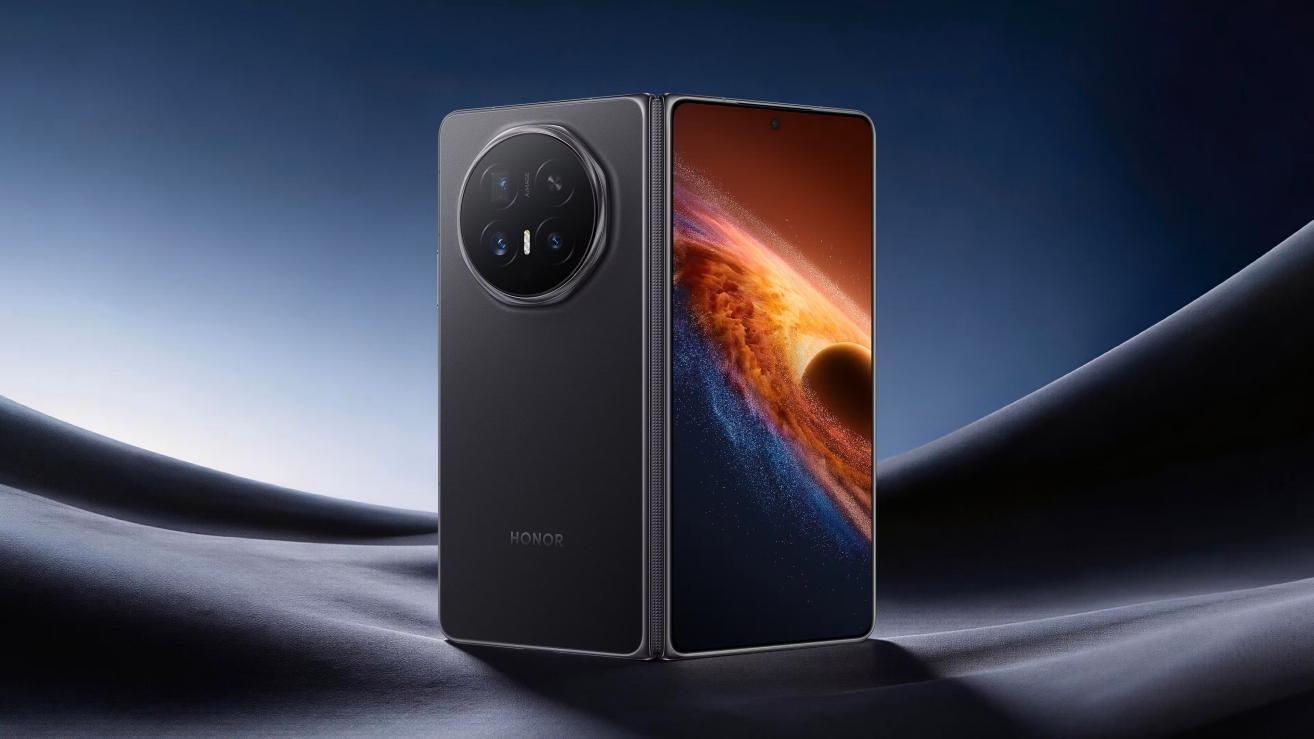
Durability now leads every foldable discussion, and 2026 models such as the HONOR Magic V6 show real progress. Brands use redesigned hinge systems with fewer moving parts, dust-resistant channels, and stronger alloys. Many flagships offer water resistance ratings close to regular phones, while flexible ultra-thin glass combines with tougher protective layers to cut scratch risk and lessen visible creases. Manufacturers also test hinges for hundreds of thousands of folds and publish those numbers in marketing, giving buyers clearer expectations. Drop resistance improves as frames use reinforced corners and shock-absorbing materials around the hinge. These changes reduce the fear that a foldable will fail after a year of opening and closing, making them practical, everyday devices instead of fragile gadgets. For buyers comparing premium foldables, the honor magic v6 price is often considered alongside these durability upgrades, as stronger construction and longer-lasting components add significant value to the overall package.
Slimmer designs and lighter builds
Early foldables felt thick and heavy, especially when folded. By 2026, leading models shave millimeters from the hinge and reduce bezel size, so the folded profile looks closer to a normal flagship. Lighter aluminum frames, refined hinge housings, and better internal stacking help cut overall weight without shrinking battery capacity too much. Book‑style foldables close flatter with less gap, while flip‑style devices feel more like compact fashion phones than chunky experiments. Many brands adjust aspect ratios, making the outer display easier to use one‑handed and the inner display more natural for reading and video. These changes improve pocket comfort, grip, and general usability, so the phones feel like daily drivers instead of special‑occasion tech.
Main Reasons People Buy Foldable Phones
Bigger screens for multitasking and entertainment
The main draw remains screen size. Book‑style foldables open into tablet‑like displays that suit split‑screen work, reference material, and creative apps. Users can pin email next to chat, glance at documents during video calls, or edit photos on a bigger canvas without dragging a tablet around. Brands optimize software for these tasks, offering floating windows, app pairs, and taskbars similar to laptops. For entertainment, the larger panels shine. Movies and games feel more immersive, comics and e‑books become easier to read, and foldable displays often feature high refresh rates and strong brightness. Stylus support on some models adds another layer for note‑taking and sketching. People who spend hours each day on screens appreciate having a mini‑tablet that folds back into something pocketable.
Compact size without sacrificing display space
Flip‑style foldables attract people who want a smaller phone that still offers a big everyday screen. Folded, these devices slip into tight pockets, small bags, and workout gear with ease. The clamshell design protects the main display and appeals to users who miss the tactile snap of older flip phones. When opened, they deliver a tall, full‑size smartphone display suitable for browsing, social media, and video. Many models include a functional outer screen for notifications, widgets, calls, and even quick photos, reducing the need to open the phone every time. This blend of compact storage and full‑sized use suits commuters, minimalists, and anyone who dislikes carrying large slab phones but refuses to give up viewing comfort, modern camera systems, or flagship‑level performance.
Who Should Buy a Foldable Phone in 2026?
Best for business users and multitaskers
Business users gain the most from book‑style foldables in 2026. The larger inner display lets them juggle email, documents, and chat without constantly switching apps. Mobile professionals can open spreadsheets beside video calls, review slide decks while messaging teammates, or annotate PDFs with a stylus. Many productivity suites now optimize layouts for foldable screens, so menus and toolbars use the extra space effectively. DeX‑style desktop modes and wireless display support turn these devices into laptop stand‑ins during travel. For frequent flyers and field workers who rely on one primary device, the foldable’s mix of big screen and small footprint can simplify their gadget bag. They pay more than for a basic phone, but they recoup value through efficiency and flexibility.
Best for tech enthusiasts and content consumers
Tech enthusiasts enjoy foldables because they showcase the latest hardware and software ideas. New hinge designs, unique form factors, and experimental features arrive here first. Early adopters who like tweaking settings and trying new workflows will find more to explore. Content consumers also stand to gain. People who watch long‑form videos, read web articles, or scroll social apps for hours will appreciate the larger viewing area and smoother multitasking. Foldables often ship with strong cameras, vivid OLED panels, and high refresh rates, so they do not feel like compromises. However, casual users who mostly text, check maps, and take quick photos may not justify the extra expense. For them, a standard mid‑range or flagship slab still offers better value.
Conclusion
Foldable phones in 2026 move closer to the mainstream, but they still serve specific needs best. Durability and hinge reliability reach a level where most buyers can expect years of normal use. Designs grow slimmer and lighter, making these phones comfortable to carry and less awkward during calls. The real advantage lies in screen versatility: a tablet‑like workspace that folds away, or a compact shell that opens into a full‑size display. Business users, heavy multitaskers, and tech enthusiasts gain clear benefits from this flexibility and may find the higher price worth paying. Pure value seekers, casual users, and those happy with a single flat screen can safely stick with conventional phones without feeling left behind. When deciding, weigh how often you multitask, travel, and consume media on the go. If those tasks define your day, a foldable can feel like a smart, future‑ready upgrade in 2026.