4 Ways To Look Photo Ready In Humidity Without Trying

To achieve photo-ready hair in heat and humidity without trying, you need to wear humidity-friendly hairstyles, apply lightweight anti-frizz products, protect strands from the elements, and utilize breathable coverage options.
Stepping outside into Panama’s dense warmth can instantly alter your hair’s texture right before a big event.
By working ahead of the weather with these straightforward techniques, you can maintain a naturally polished appearance even in intense tropical conditions.
You step outside your apartment in El Cangrejo or walk toward a waiting taxi, and within seconds, you feel the warm air press into your hair.
It is the kind of enveloping moisture that does not ask permission. Perhaps you are heading to a beachside birthday lunch in Coronado, and the camera phones are already out.
You felt perfectly composed at the mirror, but by the time you arrive, you feel like someone else entirely has shown up.
This guide is not about rigid control or fighting the climate with heavy products. Instead, it is about working intelligently and gently ahead of the weather using four accessible strategies.
1. Give Yourself an Instant Confidence Boost With Smart Coverage Options
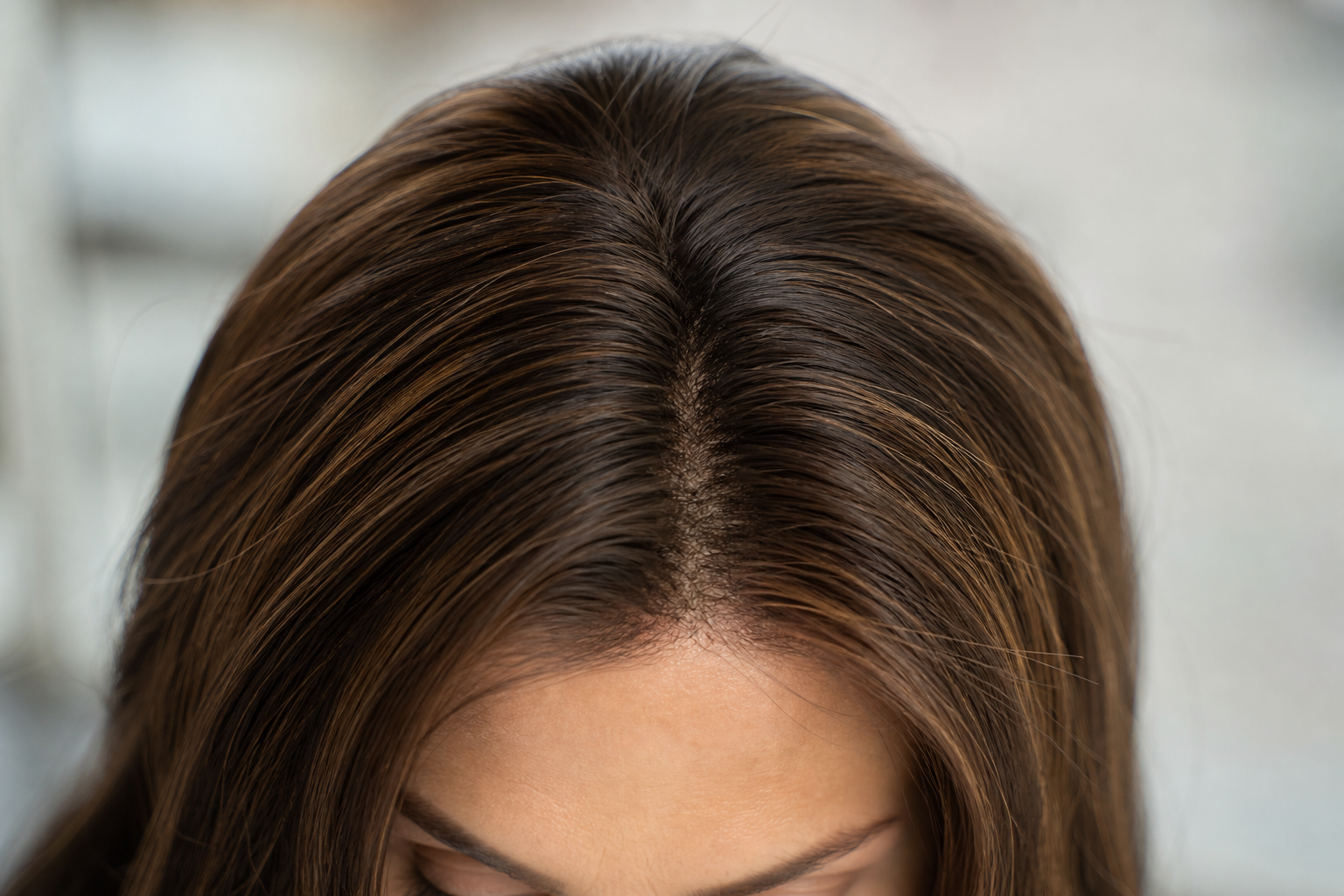
Panama’s full outdoor daylight is unfiltered and highly revealing. A sparser crown or widening part line often becomes more noticeable in photographs when the hair gets damp.
For women navigating this specific thinning, Daniel Alain’s natural-looking hair toppers offer an immediate layer of assurance before stepping in front of the camera.
These gentle pieces integrate seamlessly with existing strands, adding targeted density exactly where the intense midday light hits.
Breathable pieces are an ideal discovery for this tropical climate. They feature a monofilament base construction that allows essential airflow across the scalp, preventing trapped warmth.
A secure clip attachment holds firmly in the coastal breeze at Bocas del Toro without creating tension on fragile natural strands.
The key is finding pieces crafted from premium materials that catch outdoor light the way natural hair does. This ensures your coverage looks completely organic rather than flat or artificial.
Using high-quality options for volume ensures that when the camera focuses, your posture settles naturally.
Your head stops angling away from the lens, and your smile reaches your eyes without effort. You can simply enjoy the event rather than worrying about the angle of the sun.
| Key Insight: A well-matched hair topper that breathes in the heat lets your confidence shine naturally. When the crown looks full under harsh light, you stop adjusting and simply enjoy the moment. |
2. Choose Humidity-Friendly Hairstyles That Work With the Weather
Styles that demand sleek perfection will inevitably lose to Panama’s air by mid-morning. Intentional softness only improves as the day wears on under the tropical sun.
Adopting humidity-friendly hairstyles means reframing the weather as a styling condition to work with rather than overcome.
Consider soft updos like a low chignon or pinned half-up styles for your next outdoor gathering. Inside these shapes, frizz simply reads as romantic volume rather than dishevelment.
The style absorbs what would otherwise be chaos and turns it into purposeful texture.
Braids are also a tropical powerhouse for long days outside. A loosely pulled-back woven style creates natural softness around the face while keeping the neck cool.
Leaving loose pieces provides subtle coverage around the temples, framing this as a beautiful style choice.
When securing these styles, always opt for snag-free accessories and high-quality bobby pins.
Women with fragile hair benefit immensely from tension-free options that hold securely without causing unnecessary strain.
Ultimately, ease always translates seamlessly into confidence for photographs.
3. Lock Out Frizz With Lightweight Anti-Frizz Products That Breathe
Most product directions are written for mild climates, entirely missing the mark for true tropical weather.
In Panama’s heat, oil-rich or silicone-heavy formulas do not protect, but rather coat and suffocate the strands.
By the afternoon, they contribute to flatness or greasiness instead of preventing unwanted frizz.
Success starts with an in-shower foundation tailored to the environment. Use a moisturizing but weightless conditioner focused strictly on the ends rather than the roots.
Detangling gently before rinsing sets the cuticle smoothly before it ever meets the heavy air.
After the shower, take advantage of the breathable barrier window. Apply a lightweight smoothing milk while your hair is damp but not dripping.
The product settles into the cuticle while it is still partially open, creating a protective barrier before outdoor exposure.
Tailor these choices to your specific texture for the best results. A light anti-humidity mist works beautifully for fine hair where weight is a primary concern.
An airy styling foam gives coarser or curlier textures reliable definition without added heaviness.
Finally, keep a microfiber towel tucked neatly into your day bag. Use it to gently absorb surface condensation at the nape upon arrival, before any cameras come out.
Mastering these tropical weather beauty tips is a necessity for looking polished all day.
| Pro Tip: Start with a lightweight leave-in spray on damp hair to create a breathable barrier before humidity strikes. In tropical climates, product sequence matters more than product strength. |
4. Shield Hair From Sun, Saltwater, and Sweat Before the Damage Shows
Humidity rarely acts alone in a demanding tropical environment. UV intensity, Pacific saltwater at Playa Blanca, and the body heat generated by an afternoon walk all compromise polished hair.
Continuous UV-light exposure results in dryness, roughness, sun-bleaching, and breakage due to photo-oxidation.
Understanding this environmental coalition is the foundation of the most effective humidity hair tips. Begin with a UV protectant spray applied before any outdoor time begins.
Research shows that hundreds of lipids differ significantly between UV-treated and non-treated hair, highlighting the invisible damage occurring daily.
These specialized sprays form a thermal barrier around the hair shaft, preserving cuticle integrity for fragile strands.
If you are near the water, pre-swim saturation is absolutely vital. Saturating your hair with fresh water and a light conditioner before entering the ocean limits how much saltwater the shaft can absorb.
It is also important to acknowledge how sweat impacts thinning hair. Sweat dampens the hair closest to the scalp, making a part line much more visible.
To manage this gracefully during peak heat, wear a soft, absorbent headband.
Remove the headband later when you cool down in the shade. Lift the roots gently at the crown using your fingertips rather than a brush.
This restores volume without disruption, ensuring you look fresh for evening photos.
The Bottom Line
Achieving effortless hair in a tropical climate is not about maintaining a rigid checklist. It is a cumulative, personal practice formed through four-layered strategies built over a few Panama seasons.
You learn to choose styles that work with the weather, select breathable products, protect against damage, and utilize gentle coverage.
Whatever makes your reflection feel trustworthy before you walk out the door is exactly the right choice.
Comfort in your own appearance is never vanity in this climate. It is the remarkable quality that makes every photo worth keeping and every event fully enjoyable.
| Author Profile: Daniel Alain is the leading manufacturer and supplier of premium European human hair wigs and toppers for women experiencing hair loss. |