Panama Showcases Sustainable Travel: Boquete Hosts Remote Latin America 2026

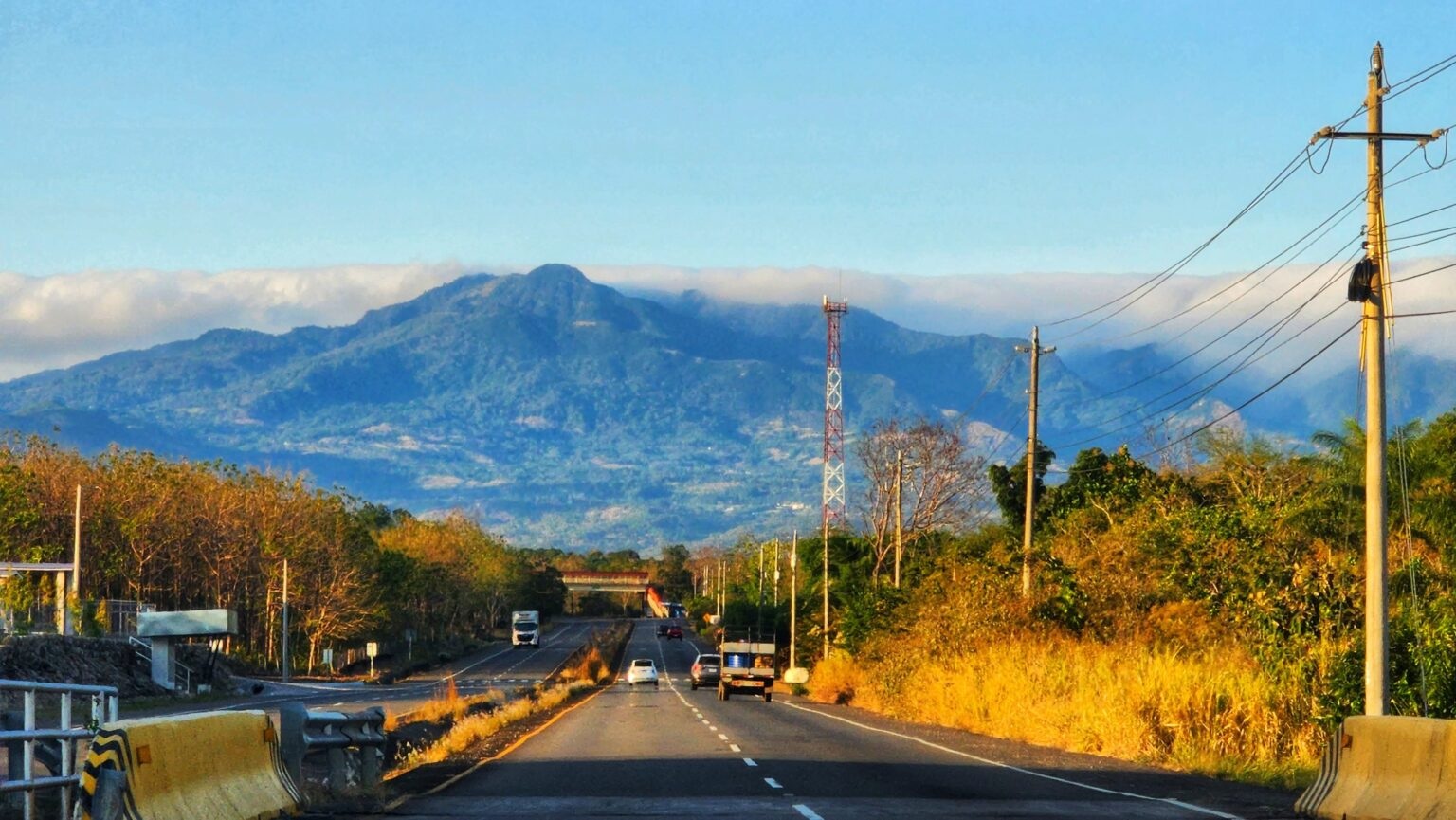
Boquete is hosting a special edition of Remote Latin America 2026 until May 8, marking the event’s 10th anniversary and placing Panama in the spotlight for international travel professionals. The gathering brings together destinations and travel designers focused on authentic and sustainable experiences, a segment that continues to gain traction in global tourism. Panama is using the occasion to present its destination offering to a specialized international audience. Boquete has become one of Panama’s best-known tourism destinations, with a reputation for mountain scenery, cooler weather, and experiences tied to nature and local culture.
Hosting a meeting centered on sustainable and experiential travel fits closely with the area’s image and broader tourism appeal. By welcoming participants to the Chiriquí highlands, the country also highlights how tourism growth can extend beyond the capital and coastal hubs. That matters for a market increasingly shaped by travelers looking for smaller destinations, personalized itineraries, and environmentally conscious options. During the event, Panama will present its tourism proposal to an international community of specialists through more than 45 meetings. Those sessions are designed to open the door to new partnerships and commercial opportunities for the destination.
For Panama’s tourism sector, the event offers direct exposure to designers and decision-makers who shape long-haul and niche travel products. That kind of positioning can help strengthen the country’s profile in markets where sustainability, authenticity, and curated experiences are becoming key selling points. Hosting an anniversary edition of a regional travel event underscores Panama’s effort to compete for higher-value tourism segments. Rather than relying only on mass-market promotion, the country is showcasing itself to professionals who can build itineraries around distinctive places and responsible travel. The focus on sustainable experiences also reflects a broader shift in the industry. Destinations that can combine natural attractions, local identity, and strong visitor experiences are better placed to attract travelers seeking more than a standard vacation.