

Is a Whole Home Battery Backup Worth It in 2026?
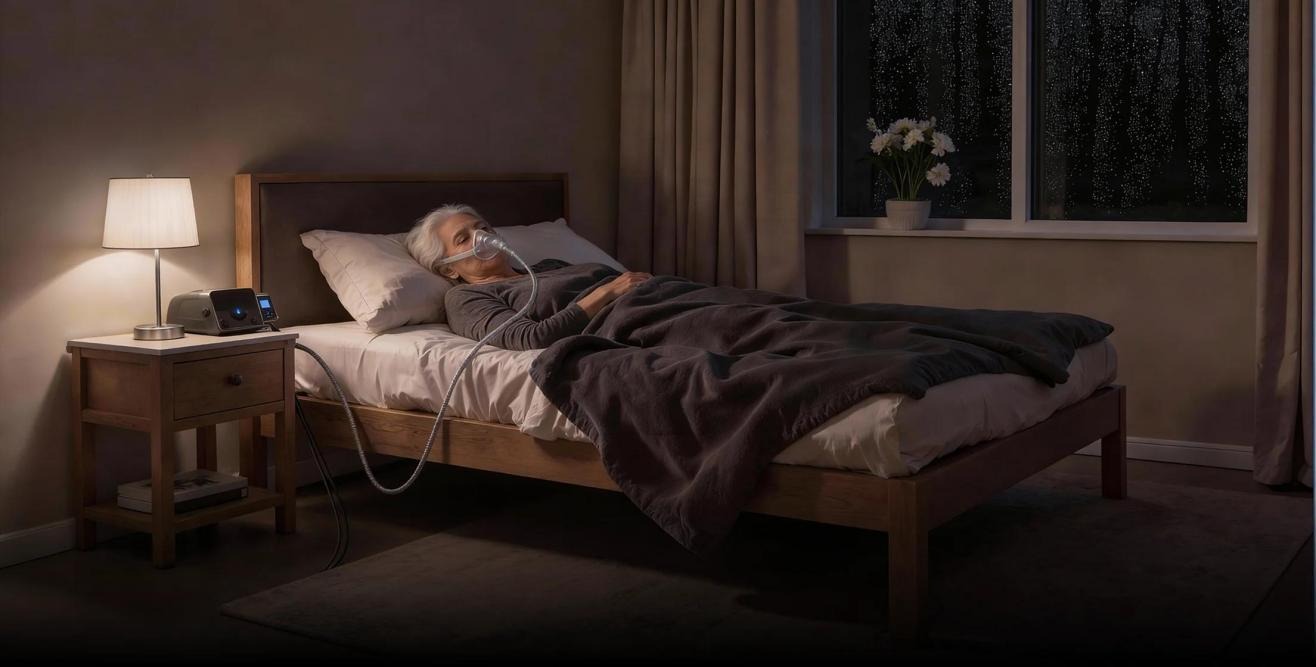
Whole home battery backup is moving from “nice to have” to “must have” for many households in 2026. More frequent outages, rising electricity prices, and the growth of rooftop solar push homeowners to look for stable, flexible power. A whole home system stores energy and delivers it when the grid fails or when rates peak. That means your lights, HVAC, and critical appliances keep running without noisy engines or fuel runs. This guide explains how modern systems work, compares them with traditional generators, breaks down real costs, and shows what to look for, using the Anker SOLIX whole-home solution as a clear example.
Benefits of Whole Home Battery Systems
Backup Power and Reliability
A whole battery backup home gives your house instant, seamless power when the grid drops. The system detects the outage and switches in fractions of a second, so your fridge, Wi-Fi, medical devices, and sump pump stay on. You do not pull cords, refuel engines, or wait for anything to warm up. Stored energy covers short blackouts and, with enough capacity and solar, can bridge longer events as well. Systems like Anker SOLIX E10 use a power module and battery modules to deliver up to 7,680W at 120/240 VAC split phase, enough for most homes to run key loads with confidence.
Energy Savings and Smart Use
Whole home batteries do more than keep the lights on. They cut bills when you live in an area with time-of-use or demand charges. The system charges when grid power is cheap or when your solar panels overproduce, then discharges when rates spike in the evening. Smart apps let you set priorities, manage circuits, and track use in real time. With Anker SOLIX E10, solar input up to 2x 4,500W and a 9,600W AC recharge rate give you fast, flexible charging options. You use stored power instead of expensive peak energy, reduce strain on the grid, and increase overall home efficiency.
Battery Backup vs Generator
Cost and Performance
Homeowners often compare battery backup with standby generators. A generator usually has a lower upfront equipment cost for raw kilowatts, but it needs fuel, regular maintenance, and sometimes professional servicing after heavy use. Fuel costs rise over time and can spike during storms. Whole home batteries cost more at the start but run on stored grid power or solar, with very low operating costs. Systems like Anker SOLIX E10 offer up to 7,680W continuous output and up to 10,000W for 90 minutes with batteries, enough to handle AC, refrigerators, lighting, and electronics without the voltage dips some generators show under load.
Noise and Environmental Impact
Generators burn fuel and produce noise, fumes, and local emissions. Even “quiet” standby units can disturb neighbors, and long outages mean long runtime, extra noise, and more pollution. Home batteries work silently. They sit in a NEMA Type 4 (IP66) enclosure, like the Anker SOLIX E10, and operate indoors or outdoors without exhaust. You can pair them with solar panels or a DC generator input, which for E10 supports 4,500W, to reduce dependence on fossil fuels. This cleaner operation cuts your home’s carbon footprint and avoids storage of gasoline or propane, which adds safety risks and ongoing hassle.
Choosing the Right System
Key Features to Look For
When you choose a whole home battery backup, check power, capacity, and compatibility first. When you choose a whole home battery backup from an electrical supply store, check power, capacity, and compatibility first. Ensure the system supports 120/240 VAC split phase to run both standard outlets and large appliances. Look at continuous output wattage, surge capability, and how long it can support your typical load. Check solar and generator input specs, enclosure rating, and operating temperature range. Smart app control, Wi‑Fi and Bluetooth connectivity, and integration with your electrical panel improve daily use. Also, review warranty length, installation requirements, and expandability, so you can add batteries or inverters later as your power needs change.
Example: Anker SOLIX Whole-Home Solution
Anker SOLIX E10 offers a clear example of a modern whole-home system. It delivers 120/240 VAC split phase at 60Hz with 7,680W (32A) maximum continuous output and up to 10,000W (41.6A) for 90 minutes with battery. Turbo backup output reaches up to 275A with multiple inverters and batteries. It supports up to 2x 4,500W PV inputs plus 4,500W DC generator input. The NEMA Type 4 (IP66) enclosure and -4°F to 131°F operating range allow flexible installation. Wi‑Fi and Bluetooth enable smart control. Components like the Smart Inlet Box, Power Dock, and optional 5500 Smart Generator build a robust, scalable whole-home backup.

Conclusion
A whole home battery backup can be worth it in 2026 if you face frequent outages, high electricity rates, or want to maximize solar. Batteries provide silent, instant power, smart energy use, and lower ongoing costs than fuel-powered generators. While upfront prices remain significant, incentives and long-term savings improve the payback. Systems like Anker SOLIX E10, with strong output, solar and generator inputs, smart connectivity, and durable design, show how capable modern solutions have become. Assess your loads, local rates, and outage history. Then choose a system that matches your needs, budget, and long-term energy goals.