Can Solar Integration Redefine Whole House Backup Power?
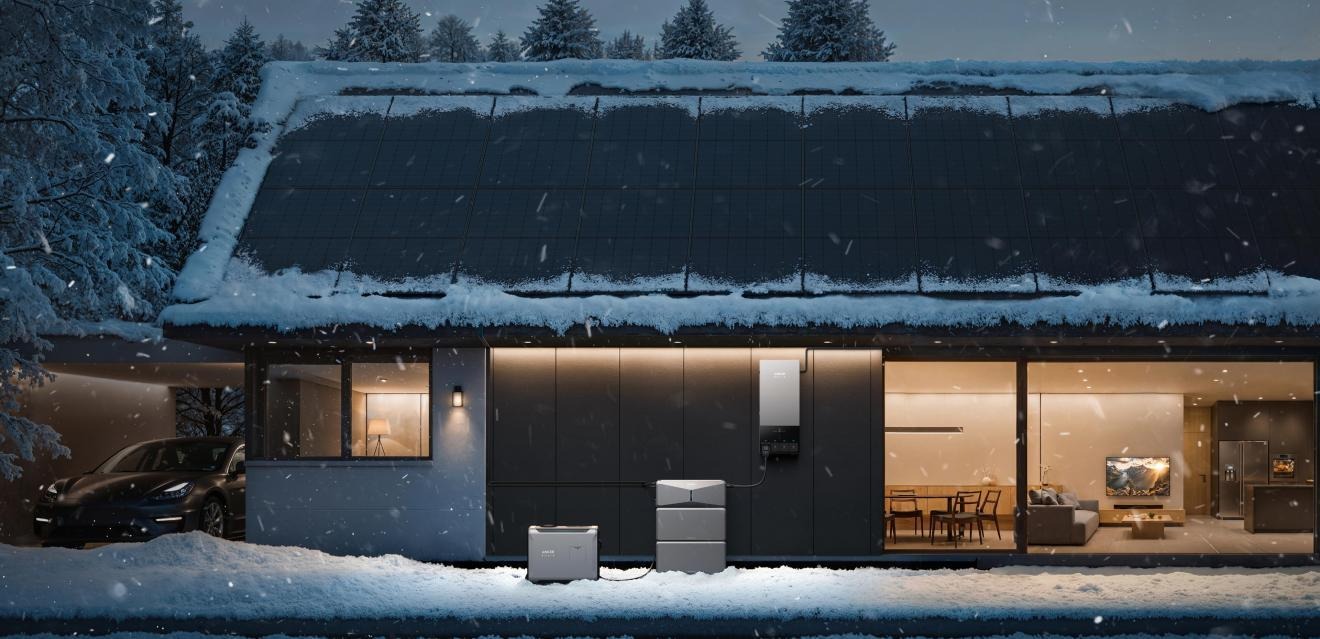
Homeowners want backup power that does more than keep a few lights on. They want whole house coverage, lower energy bills, and less reliance on fuel and the grid. Solar integration with home batteries now makes that possible. Modern systems combine rooftop solar, smart inverters, and scalable storage like Anker SOLIX E10 to support everything from daily use to extended outages. With 9kW–27kW solar input and 6kWh–90kWh capacity for 1-day to 15-day backup, these systems turn homes into mini power plants. Backup power becomes cleaner, smarter, and more flexible than traditional generators alone.
How Solar Integration Changes Home Backup Power Systems?
Solar integration transforms backup from a reactive solution into a proactive energy strategy. Homeowners generate, store, and manage power daily, then rely on robust reserves during grid failures or emergencies.
From Fuel Generators to Renewable Energy Systems
Traditional whole house backup depended on fuel generators. They start when the grid fails, burn gasoline, diesel, or propane, and sit idle most of the year. Fuel costs, noise, emissions, and maintenance add up. Solar plus storage changes that model. Panels constantly produce power, which the home uses first. Excess energy charges batteries instead of going to waste. During outages, the battery supplies silent, instant backup without fumes. A generator can still support extended emergencies, but it runs less often and more efficiently. The result is a renewable-centered system that treats backup as part of everyday energy use.
The Rise of Hybrid Solar and Battery Solutions
Hybrid solar and battery systems integrate solar arrays, advanced inverters, and modular storage to cover both daily loads and backup needs. Instead of relying only on the grid or a generator, the home becomes an active power hub. Systems like Anker SOLIX E10 scale from 6kWh to 90kWh and support 9kW–27kW solar input, enough for 1-day to 15-day backup in many homes. The solar array charges the batteries first, then powers home circuits, and finally exports excess to the grid if available. Hybrid systems provide flexibility, support critical loads, and offer whole house coverage with smart controls.
Key Benefits of Solar-Powered Whole House Backup
Solar-powered whole house generator backup systems cut fuel use, stabilize long-term energy costs, and provide clean, quiet power. They also strengthen resilience by keeping critical loads running even during extended grid disruptions.
Lower Energy Costs and Reduced Fuel Dependence
Solar integration turns backup assets into everyday savings tools. Homeowners use solar power first, then battery energy during peak rate periods, and rely on the grid or generator only when needed. Over time, this reduces electricity bills and lessens exposure to rising utility prices. Systems like Anker SOLIX E10, with 9kW–27kW solar input, can harvest significant daytime energy, especially in sunny regions. Stored power displaces expensive grid consumption at night. Because the battery carries much of the backup load, generators run fewer hours, lowering fuel use, noise, and maintenance costs while reducing reliance on supply chains.
Greater Energy Independence and Grid Resilience
Whole house backup with solar and storage boosts energy independence. When the grid fails, the battery system instantly takes over, powering critical loads or even the entire home if sized correctly. During daytime outages, solar keeps charging the batteries, extending runtime and easing concerns about fuel availability. Homeowners gain control over their energy supply instead of waiting for utility repairs. This resilience matters during storms, heatwaves, or grid instability, when outages last longer and impact more people.
Reliable and Continuous Power with Hybrid Systems
Hybrid systems combine solar, battery, and generator inputs to provide continuous power. Smart controls prioritize the cleanest source while maintaining enough reserve to handle unexpected demand spikes or extended outages.
Seamless Switching Between Solar, Battery, and Generator
Modern hybrid inverters coordinate solar panels, batteries, and generators without manual intervention. When the grid operates, the system uses solar first, then charges the battery. If an outage occurs, the inverter instantly switches to battery power, keeping lights, HVAC, and appliances running. If battery levels drop too low, the generator starts automatically to recharge and maintain backup capacity. This seamless flow minimizes disruption and ensures stable power quality. Systems like Anker SOLIX E10 integrate these transitions with smart monitoring, so homeowners can track usage and capacity in real time, while the system quietly manages energy sources in the background.
Backup Power for Day, Night, and Extreme Conditions
Solar-only systems struggle at night or during long storms without storage. Adding batteries changes that equation. A system with 6kWh to 90kWh capacity, such as Anker SOLIX E10, stores enough energy to ride through nights and cloudy periods. During the day, even limited sunlight can top up the batteries, extending backup from 1-day to 15-day coverage depending on consumption. For extreme conditions, a generator can supplement the battery, ensuring essential loads stay online. This multi-layered approach handles heatwaves, winter storms, and prolonged grid failures, giving homeowners confidence that power will remain available when they need it most.
Smart Energy Management and Efficiency Improvements
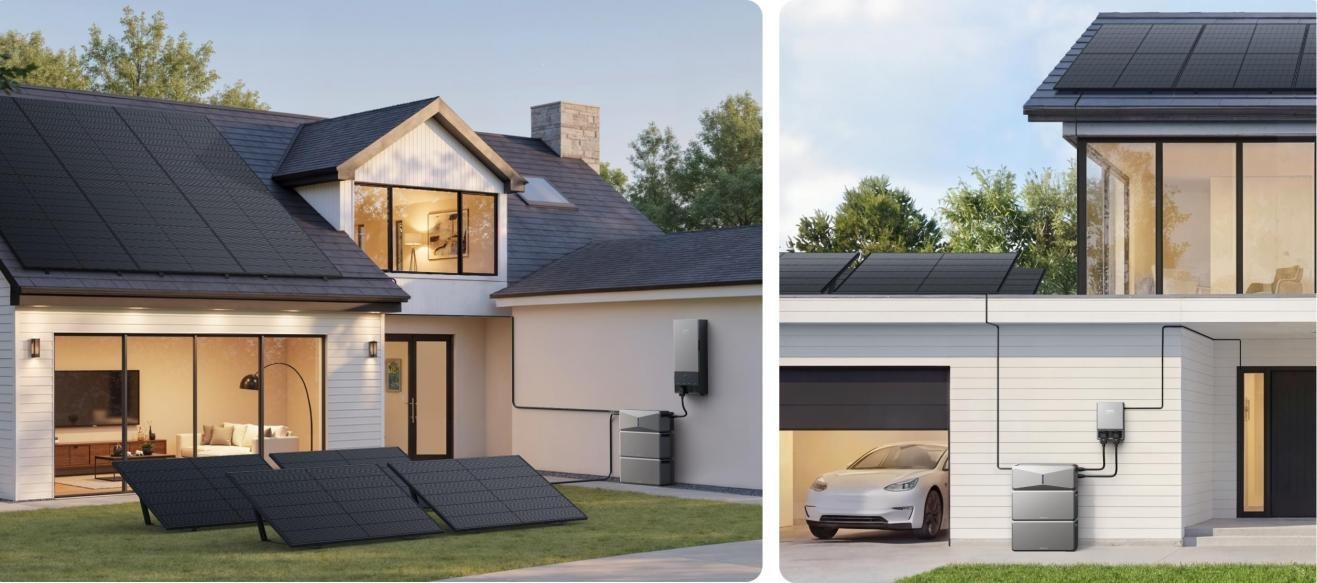
Solar-integrated backup systems use intelligent controls to manage loads, optimize charging, and minimize waste. Homeowners gain insight into consumption, which helps them improve efficiency and size systems accurately.
Intelligent Load Management and Energy Optimization
Smart energy management systems monitor which appliances draw power and when. They prioritize essential loads like refrigeration, medical equipment, and communications, while deferring non-critical uses during outages. This optimization allows a given battery capacity to last longer without sacrificing comfort or safety. With a scalable system such as Anker SOLIX E10, software can adjust how it allocates 6kWh to 90kWh of storage, based on user preferences and real-time conditions. By shaving peaks and smoothing demand, intelligent controls reduce strain on both the battery and generator, while maximizing solar utilization and maintaining whole house backup reliability.
Storing Excess Solar Energy for Later Use
Without storage, surplus solar often flows back to the grid or goes unused. Batteries capture that extra energy for later. During sunny hours, the system charges the battery to prepare for evening demand or potential outages. A solution like Anker SOLIX E10, with 9kW–27kW solar input, can quickly replenish 6kWh to 90kWh of storage on good solar days. Homeowners then use that stored power at night, during peak rate periods, or when storms threaten. This approach increases self-consumption of solar energy, improves return on investment, and ensures that backup power stands ready when the grid goes down.
Conclusion
Solar integration is redefining whole house backup power by merging everyday energy savings with long-duration resilience. Hybrid systems with scalable storage, such as Anker SOLIX E10, support 9kW–27kW solar input and provide 6kWh to 90kWh capacity, enough for 1-day to 15-day backup in many homes. Instead of relying solely on fuel generators and the grid, homeowners generate, store, and manage their own power. Intelligent controls optimize loads and extend runtime, while clean solar energy reduces operating costs and emissions. As technology advances, solar-powered backup systems will increasingly become the standard for reliable, independent home energy.