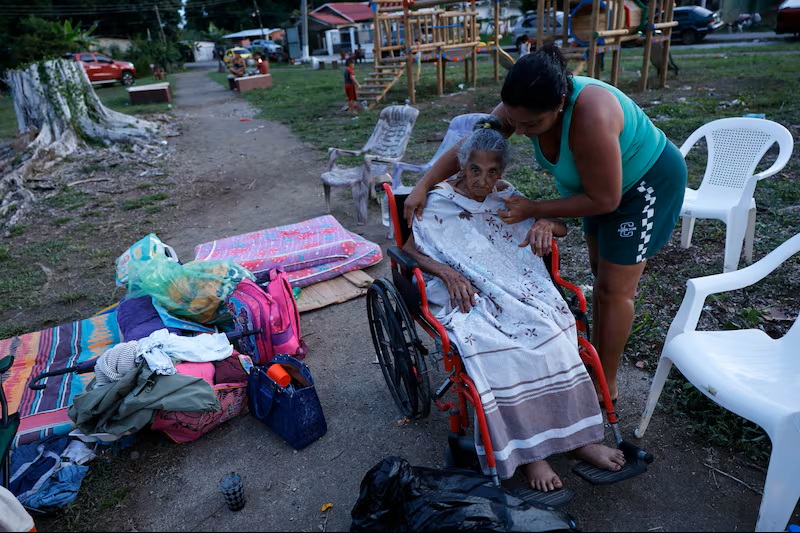
A New Bill Reaches the Assembly After the Presidential Veto. It is All About Discounts for Retirees.
A meeting was recently held between the Executive branch, business associations, retirees, and the President of the National Assembly, Shirley Castañedas. The initiative comes two weeks after President José Raúl Mulino vetoed Bill 226 in its entirety for reasons of inconvenience and unconstitutionality.
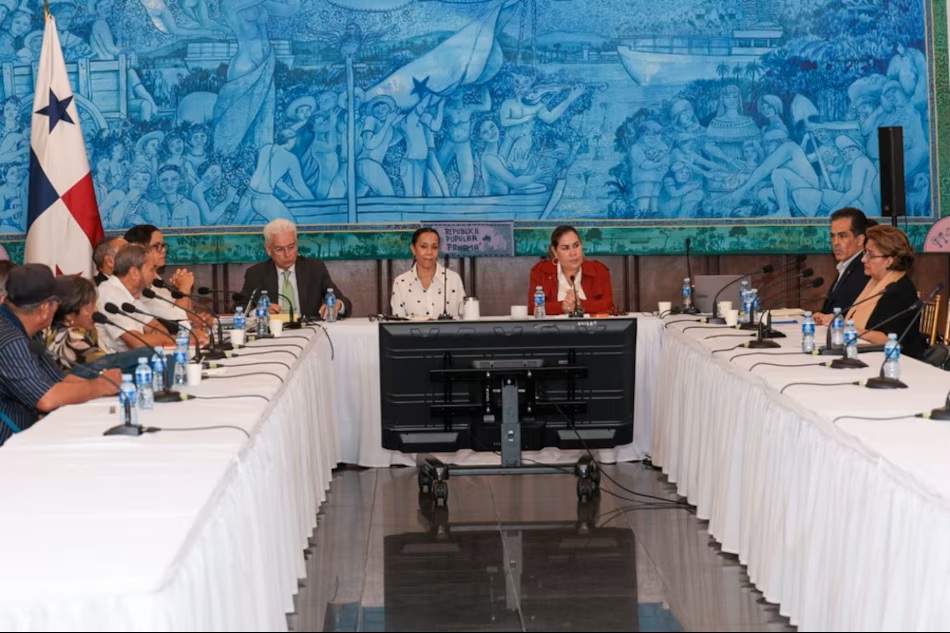
The National Assembly is considering a new proposal to modify the discounts received by retirees and pensioners in Panama. The draft bill, presented by Representative Javier Sucre Mejía, seeks to update Law 6 of June 16, 1987, which regulates these benefits. The initiative comes two weeks after President José Raúl Mulino vetoed Bill 226 in its entirety, citing its impracticality and unconstitutionality.
With the veto, the Executive Branch halted a proposal that sought to expand benefits for senior citizens, but which also raised questions about who would bear the cost of the discounts. During consultations on the vetoed bill, business representatives warned that extending sales without establishing an effective compensation mechanism would shift the financial burden onto retailers. The concern focused particularly on small businesses, whose capacity to absorb mandatory discounts is less than that of large chains.
25%
Proposed discount on prescription drugs, compared to the 10% of the current law.
30%
Discounts on treatments, medications, and supplies for cancer patients.
25%
Discount on medical fees and mobility equipment, such as wheelchairs and walkers.
30%
Discount on residential electricity for consumption up to 600 kWh per month.
A New Compensation Mechanism.
The new draft bill seeks to address this issue by creating a Microenterprise Support Program Fund, administered through a trust. The proposal stipulates that microenterprises accredited by the Micro, Small and Medium Enterprise Authority (Ampyme) will receive reimbursements for discounts granted, provided these are properly invoiced.
$50
Monthly limit for residential internet or cable television contract to access the 30% discount.
15%
Additional discount proposed on products or services that are already on promotion.
100%
Tax credit equivalent to income tax for taxpayers who meet the requirements of the draft bill.
3
Proposed timeframe in months for micro-enterprises accredited to Ampyme to receive reimbursement for discounts granted to retirees, provided they are properly invoiced.
The draft bill also proposes a tax credit equivalent to 100% of Income Tax (ISR) for taxpayers who meet the established conditions. This benefit could be transferred to third parties and would be available for tax returns corresponding to January 1, 2027. The proposal thus combines a direct refund to micro-enterprises with a tax incentive for taxpayers.
The Proposed Benefits.
In the area of health, the initiative establishes a 25% discount on the purchase of prescription medications. This figure exceeds the 10% stipulated in the legislation in force since 1987, but falls short of the discounts of up to 40% proposed during previous discussions. The final percentage will be one of the points that the Assembly will have to examine during the legislative process. For cancer patients, the document proposes a 30% discount on therapies, medications, and supplies related to their treatments. It also establishes a 25% discount on fees for general practitioners and medical specialists, while maintaining a 15% reduction in optometry and ophthalmology services.
Representatives from the Private Sector Participated in the Meetings.
The proposal also expands the benefits related to mobility and care for older adults. It includes a 25% discount on the purchase of wheelchairs, crutches, canes, walkers, hospital beds, and pressure-relieving mattresses. This aims to broaden the scope of discounts to include equipment and items designed to address specific mobility and care needs. In restaurants and franchise establishments, the draft bill proposes a 25% discount on individual purchases. The proposal eliminates the difference established in the current law between regular restaurants, which receive a 25% discount, and fast-food establishments, whose discount is 15%. It also reduces the discount proposed in previous versions of the vetoed bill to 25%, down from 35%.
Public Services and Oversight.
In the area of public utilities, the text establishes a 30% discount on the monthly electricity bill for residential customers whose consumption does not exceed 600 kilowatt-hours. The initiative also incorporates benefits for services not expressly covered by the 1987 legislation: it proposes a 30% reduction on residential internet and cable television bills, provided the monthly cost of the contract does not exceed $50.
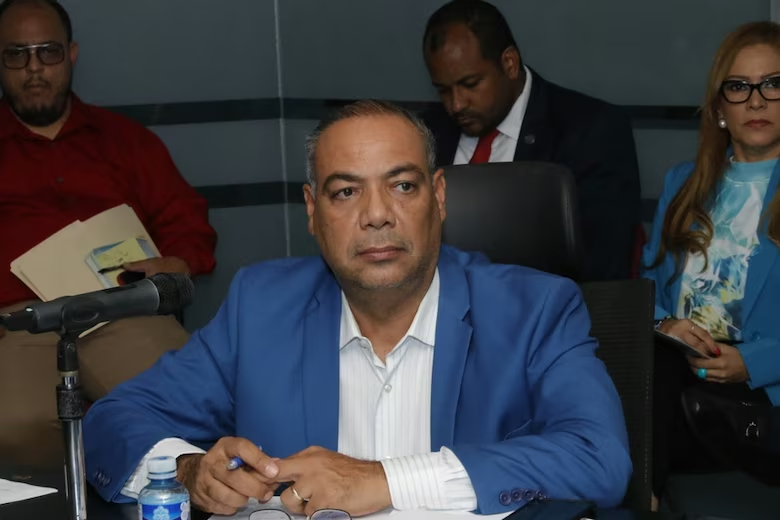
Representative Javier Sucre Pictured Above Presented the Proposal.
Another point in the draft bill concerns commercial promotions. When an establishment offers a product or service at a reduced price, retirees would be entitled to an additional 15% discount on that promotional price. To implement this measure, businesses must transparently display both the regular price and the sale price. Oversight of these benefits would be transferred to the Consumer Protection and Competition Authority (Acodeco), replacing the municipal oversight scheme established in the original law. The document stipulates fines ranging from $500 to $10,000, determined based on the offending establishment’s revenue. In cases of repeat offenses, the penalties could be doubled.
The draft bill stipulates that the revenue obtained from these fines be distributed equally: 50% would go to the Special Fund for Retirees and Pensioners (FEJUPEN), while the other 50% would be allocated to the Permanent Benefits Program of the Social Security Fund, regulated by Law 438. The proposed distribution links commercial sanctions with the financing of programs aimed at senior citizens. The legislative debate will once again pit two positions against each other: that of the retirees, who demand greater purchasing power in the face of the cost of living and the stagnation of pensions, and that of the business sector, which demands sustainable compensation mechanisms.
The Debate.
Organizations such as the National Council of Private Enterprise and the Chamber of Commerce, Industries and Agriculture of Panama had already expressed reservations about the previous proposal. In contrast, senior citizen groups, including the Mundos Movement, support the expansion of benefits.
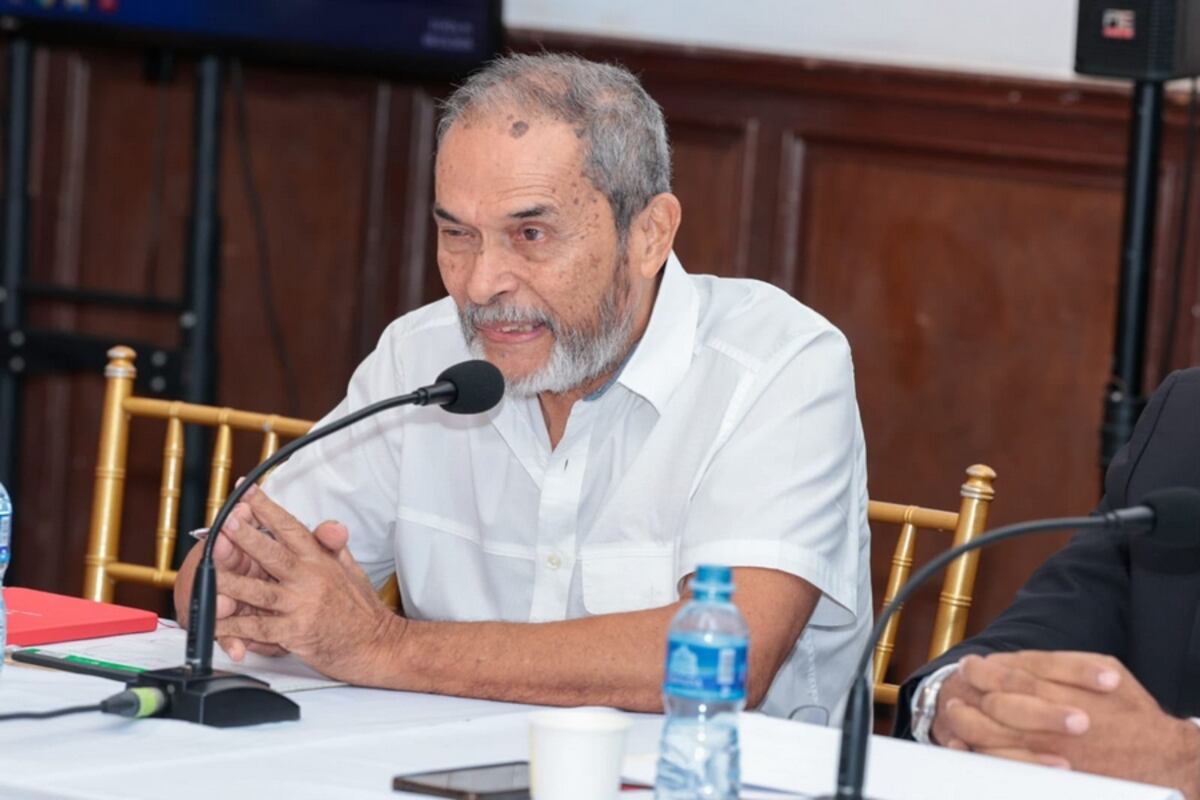
Guillermo Cortés pictured above, representative of the retirees.
Following the formal receipt of the initiative by the President of the National Assembly, Shirley Castañedas, the project will now proceed through the corresponding legislative process. The challenge will be to define discounts that alleviate the expenses of more than half a million senior citizens without imposing a burden that smaller businesses cannot bear. Guillermo Cortés, coordinator of the World Retirees Movement, said that the group agreed to maintain the discounts for the hotel, cruise and technical services sectors unchanged, after representatives of the private sector participated in discussions with President José Raúl Mulino. Cortés expressed his expectation that the initiative will move forward smoothly and be referred to the National Assembly’s Committee on Labor, Health, and Social Development. He also hopes the bill will receive the necessary support before October 29, when the ordinary session ends.