The Boost that Seeks to Revive Mortgages is a $3000 Non-Refundable Subsidy to Buy a House.
The decree stipulates that the program will remain in effect until December 31, 2030, or until the housing deficit is reduced to 5% or less.
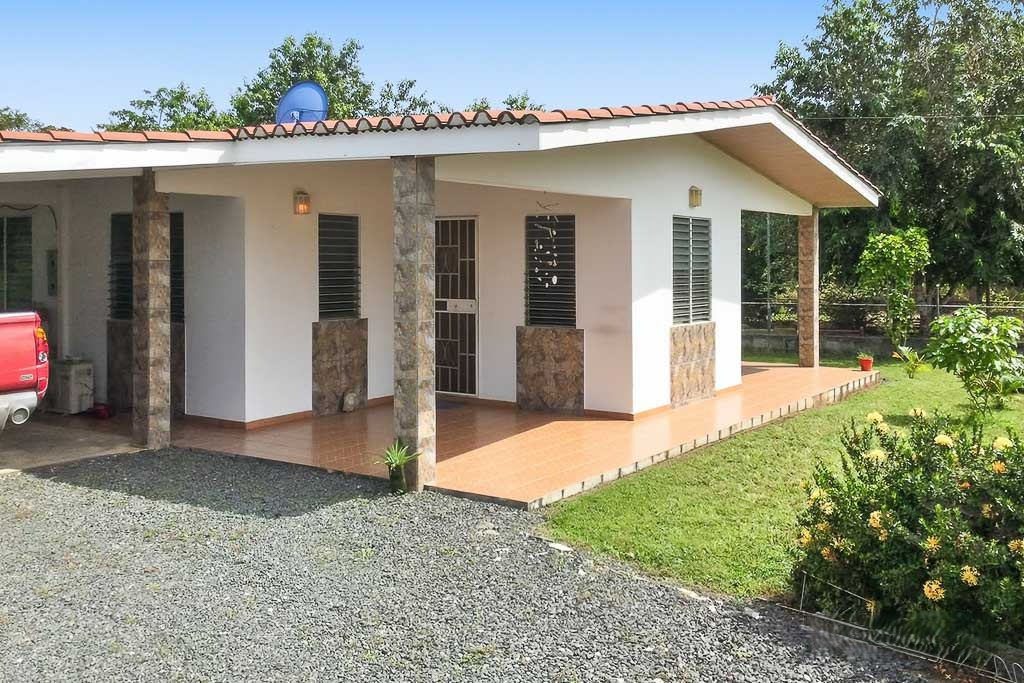
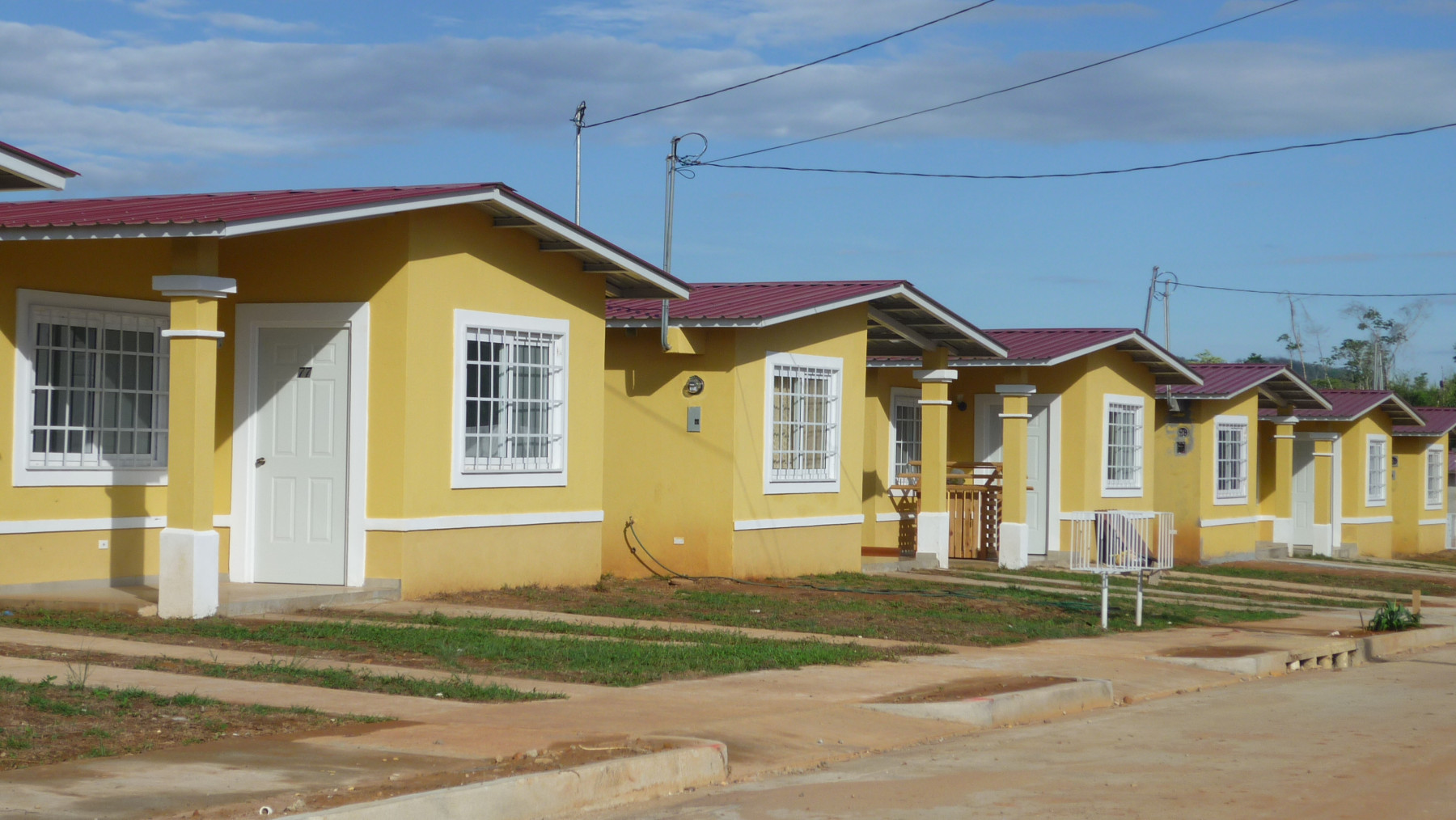
The government announced a $3,000 non-refundable subsidy for the purchase of new homes priced at $80,000 or less. This measure represents a direct boost for various sectors. The question is how much this purchase will actually change for a family and how much it will affect the residential market, construction, and banking.
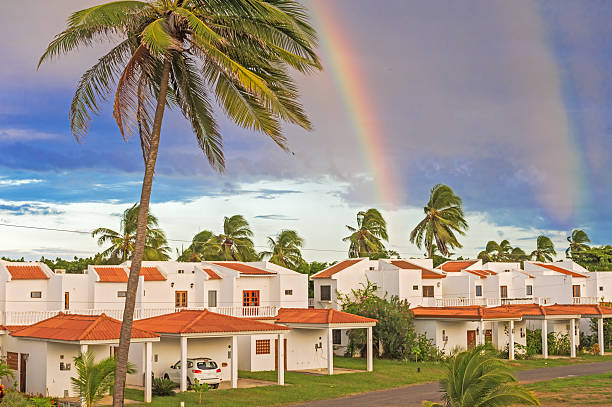
The government’s projection is that, by reducing the financial obstacle of the initial outlay for potential buyers, there will be a rebound in the placement of mortgage loans. This, in turn, would encourage the execution of new works, generating a multiplier effect on the hiring of direct labor, purchases from the local manufacturing sector and tax collection.
1
For buyers: It eliminates the main barrier to entry by reducing the total loan balance and the monthly payment.
2
For construction companies: It accelerates the sale of existing inventory and stimulates the execution of new residential projects.
3
For the banking sector: It increases the placement of mortgage loans by making it easier for more families to meet the approval profiles. According to the provisions of Executive Decree No. 35 of September 17, 2026, the granting of the subsidy does not mean that the buyer can acquire a house without putting money as part of an initial payment, nor that the State delivers the $3,000 in cash. The buyer must contribute at least 1% of the home’s price with their own funds and obtain mortgage approval.
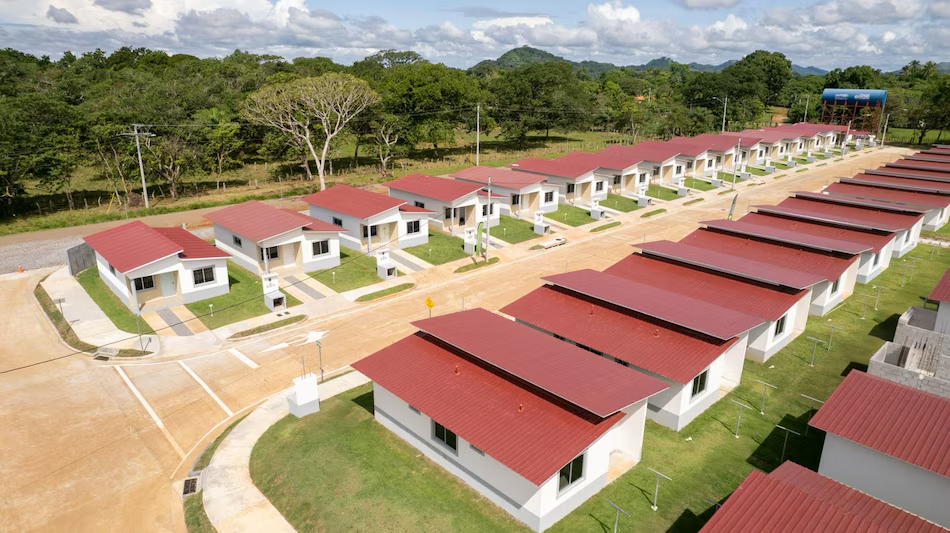
The $3,000 subsidy is credited toward the property price before the final loan amount is determined. In other words, the subsidy does not represent a cash disbursement for the beneficiary, but is structured as a direct payment towards the mortgage transaction. Furthermore, it is not universal in nature, as it is limited to new homes that operate as a primary residence and that align with the regulatory framework of preferential interest rates. The final loan amount, however, will depend on the terms of the transaction and the bank’s approval.
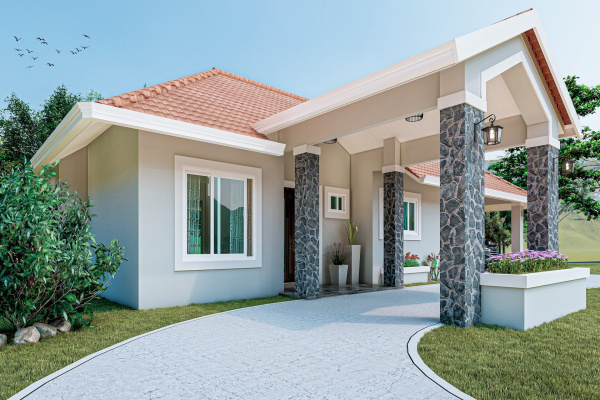
Even if an applicant meets the required conditions and the bank approves the loan, the actual allocation and payment of the subsidy depend on the availability of funds in the state budget. Executive Decree No. 35 of 2026.
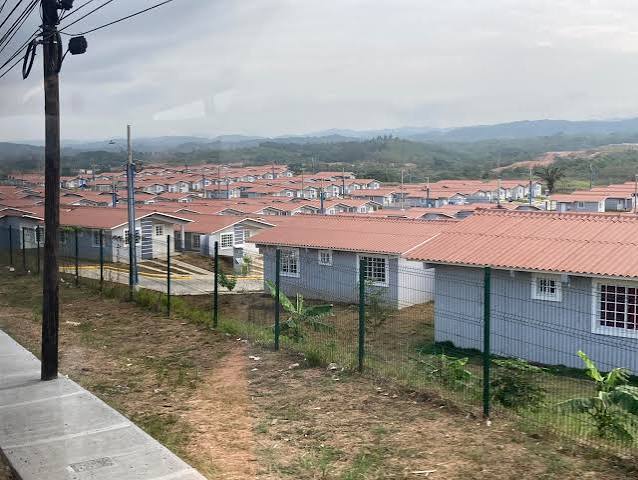
Currently, Panama has an estimated housing deficit of more than 180,000 homes. The executive decree establishes that the program will be in effect until December 31, 2030, or until the housing deficit is reduced to 5% or less. Reaching that housing deficit target would mean providing subsidies to more than 100,000 families. At $3,000 per beneficiary, this would amount to more than $300 million in direct subsidies. The impact on mortgage lending would be much greater. If, for reference, each family financed about $50,000 through a mortgage, the program could mobilize around $5 billion in credit.
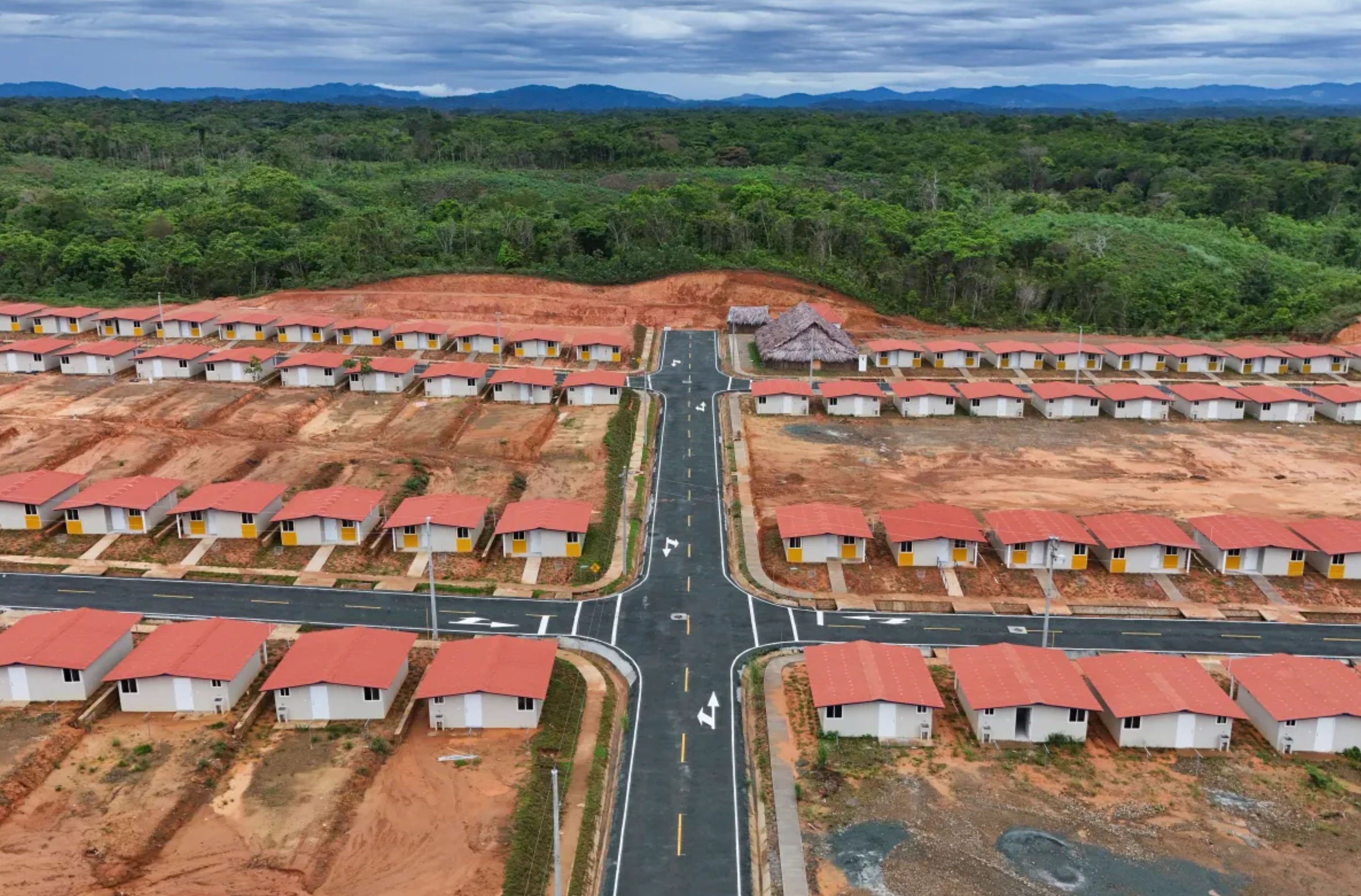
But the actual scope of the program will not depend solely on the amount of the subsidy. In order for a family to convert that benefit into a purchase, they must also be eligible for credit, have sufficient income to cover the installment, contribute the required percentage with their own resources, and comply with the bank’s and program’s conditions. Therefore, the above figures are an exercise to assess the potential economic scope of the program and not a projection of mortgage placement. The final number of loans will depend on how many potential buyers can access financing and the terms of each transaction.
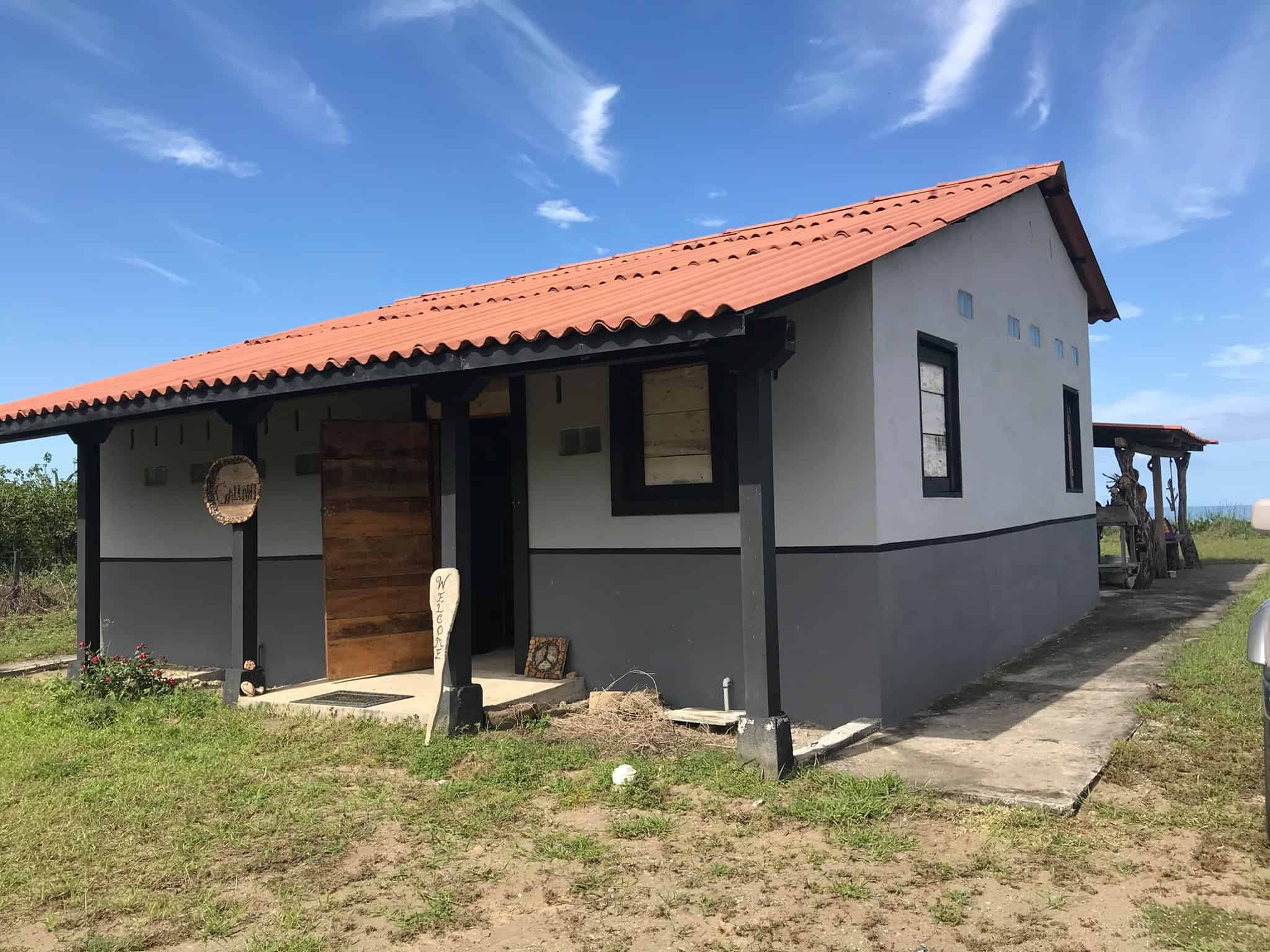
100,000 is the approximate number of homes that would need to be added to go from a deficit of 180,000 homes to a level close to 5%. $300 million is the estimated accumulated state contribution if each of those homes received the maximum subsidy of $3,000 from the so-called ‘AbonoPaTi’ program. $5,000 million (or 5 billion) is the potential mortgage financing and the economic activity that could be mobilized to address those homes, under the assumption of financing used. The construction market benefits from the new subsidy after the bad patch it has gone through. Figures from the Superintendency of Banks of Panama revealed that in the first four months of the year, the granting of residential mortgage loans in the preferential segment, that is, with subsidized interest rates, had fallen by 34%.
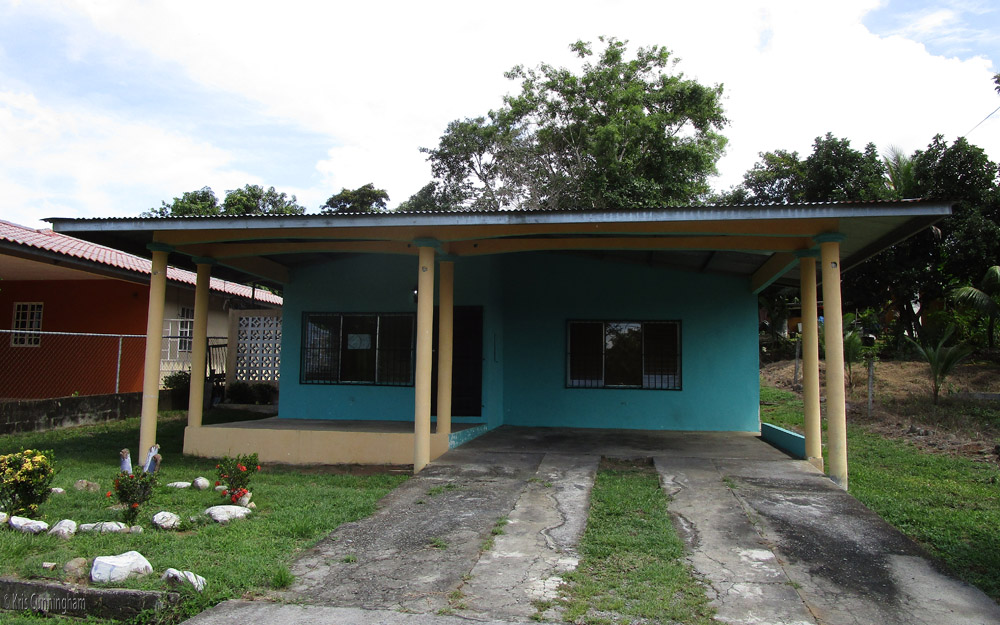
In June 2026, mortgage and construction loans registered a joint rebound, although their cumulative flows remained below those of the previous year, the banking regulator reported. Both markets had been slowing down since 2025, associated with changes and uncertainty in the preferential interest rate regime and the application of the 2% Real Estate Transfer Tax (ITBI) to new homes, factors that affected both mortgage financing and residential construction activity. After months of discussion on the preferential interest rate regime, the new scheme was finally defined and came into effect on January 1, 2026, with Law 481 of 2025, which amended Law 468 of 2025.
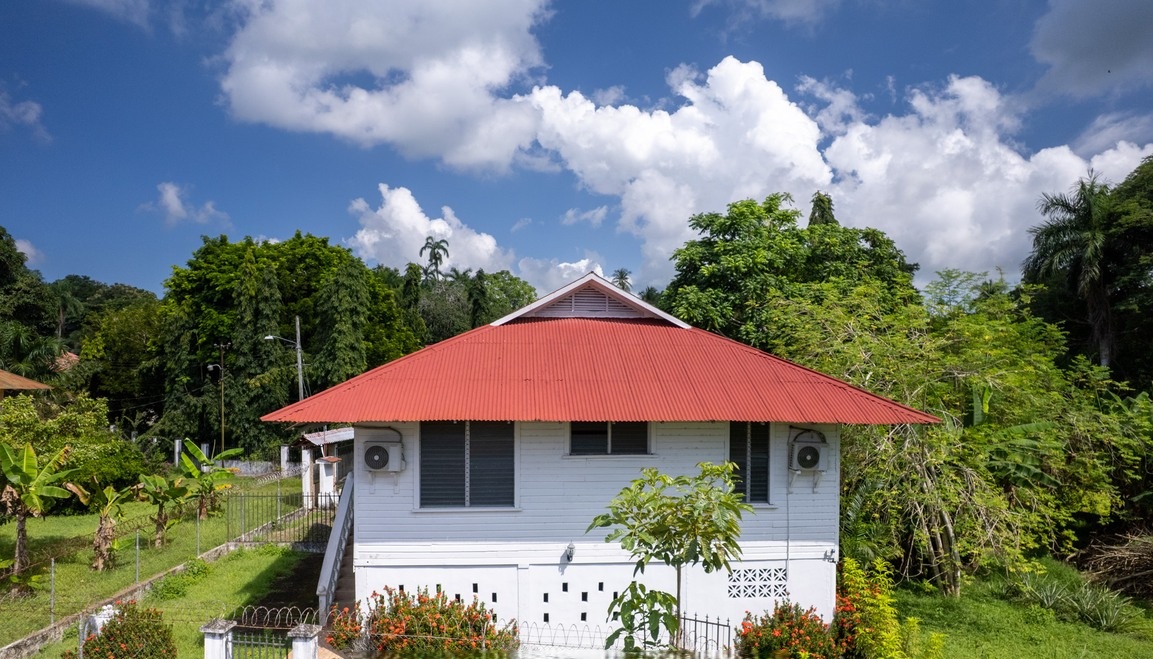
This year, President José Raúl Mulino sanctioned Law 546 of August 31, 2026, which exempts the Real Estate Transfer Tax (ITBI) for the first new home up to $120,000. The new regulation modifies article 4 of Law 106 of 1974 and establishes that the purchase and sale of new homes may be exempt from the ITBI on the first $120,000, provided that the purchase and sale is formalized within two years following the issuance of the corresponding occupancy permit. These measures are now joined by the so-called ‘AbonoPaTi’, which grants a non-refundable state subsidy of $3,000 for the purchase of new homes up to $80,000 with already established requirements (see list).
Here’s What You Need To Do If You Want To Apply For The Subsidy.
1
Register on Panamá Conecta and submit the application for the ‘AbonoPaTi’.
2
Allow the consultation and validation of data necessary to verify requirements.
3
Having a mortgage loan approved for the purchase of the home.
4
Acquire a new home intended as your main and permanent residence, with a maximum purchase price not exceeding $80,000.
5
The subsidy is granted only once and cannot be assigned or transferred.
6
The funds for the subsidy are not unlimited. Quotas will be allocated according to eligibility and the order in which applications are validated, subject to budget availability.
7
The Ministry of Economy and Finance (MEF) will disburse the benefit directly to the mortgage lender after the final registration of the deed. Once the quota is assigned, the beneficiary will have up to 3 months to complete the construction and obtain the occupancy permit (with the possibility of extension according to regulations).
8
The MEF must monitor, verify, reconcile and audit the use of resources.