What the Earthquake in Panama Reveals About Building Safety.
The earthquake in Panama has reopened questions about building safety, the current seismic code, and construction oversight. Experts explain what needs improvement.
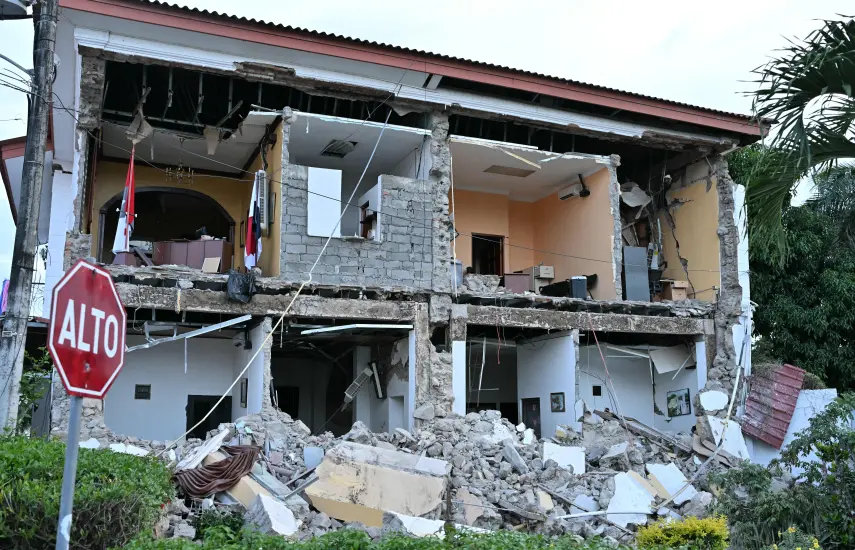
What does the October 9 earthquake say about the resilience of Panamanian buildings? Architect and urban planner Carlos Antonio Solís has two interpretations of the issue. He states that, preliminarily, the performance of skyscrapers, bridges, and highways speaks well of the work of the right professionals. But in his opinion, the country has “areas for improvement” in professional practice and in the supervision of works. The earthquake, with a magnitude of 7.5 according to the National Civil Protection System (Sinaproc) and 7.7 according to the United States Geological Survey, had its epicenter 39 kilometers northwest of Tonosí, in the province of Los Santos.
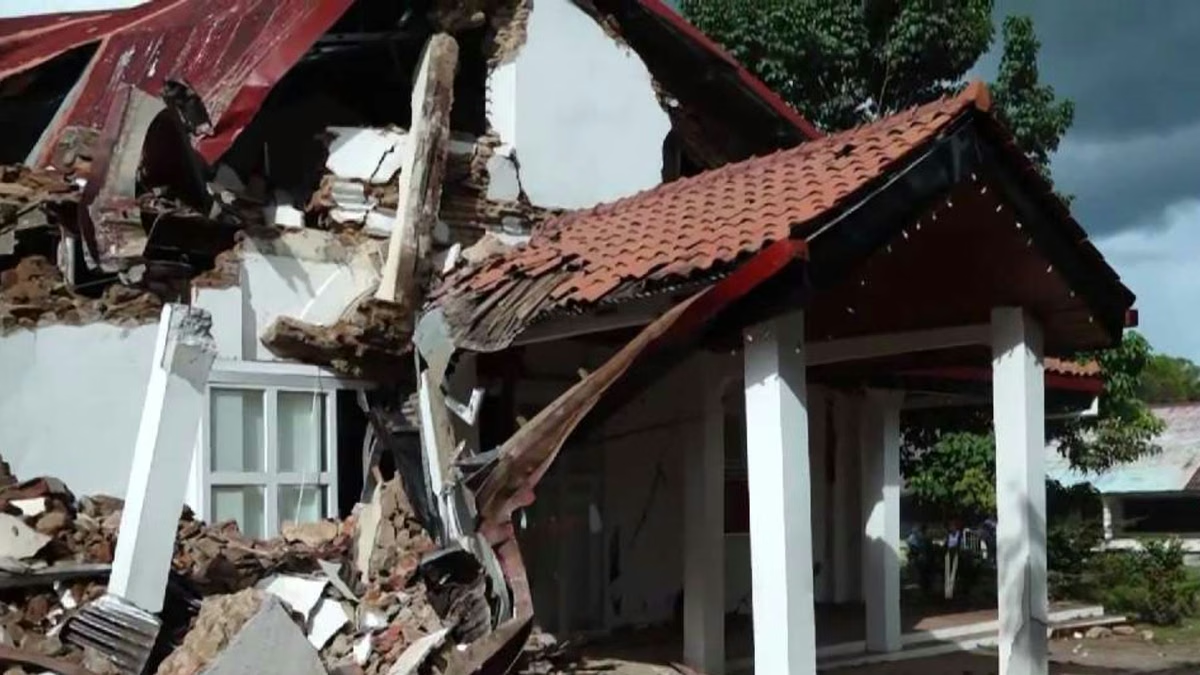
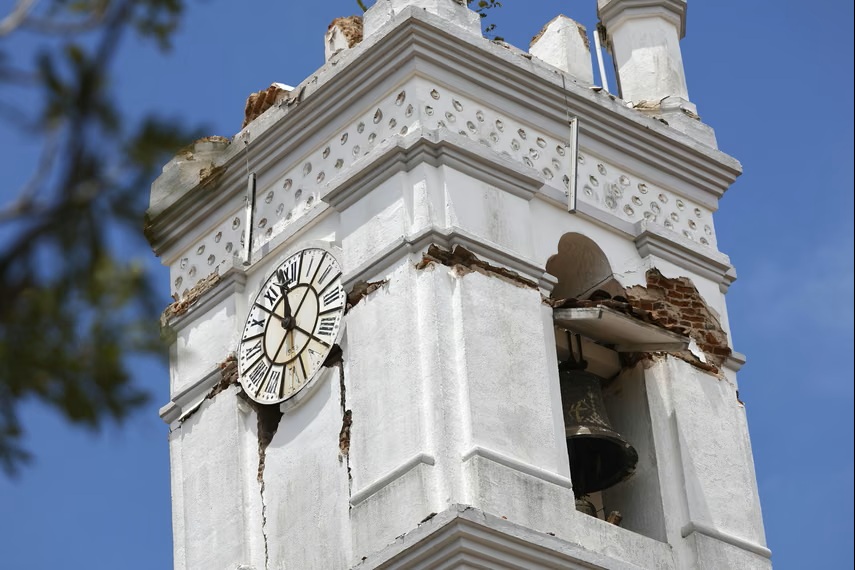
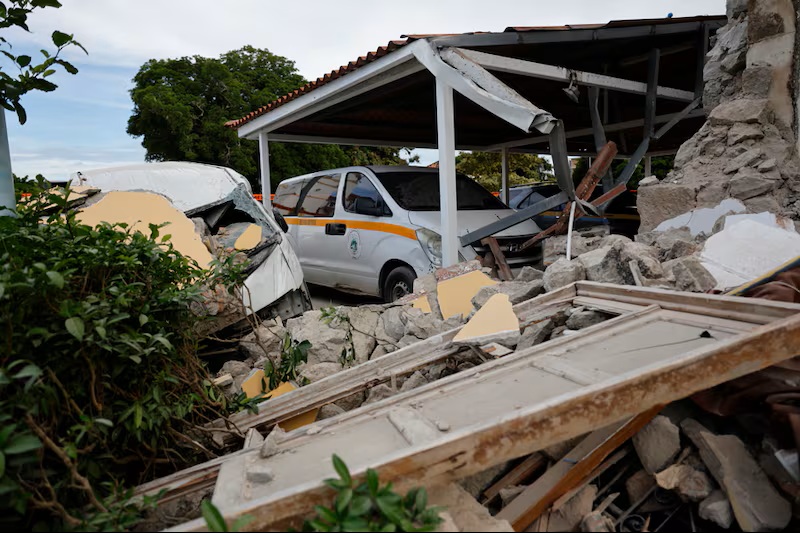
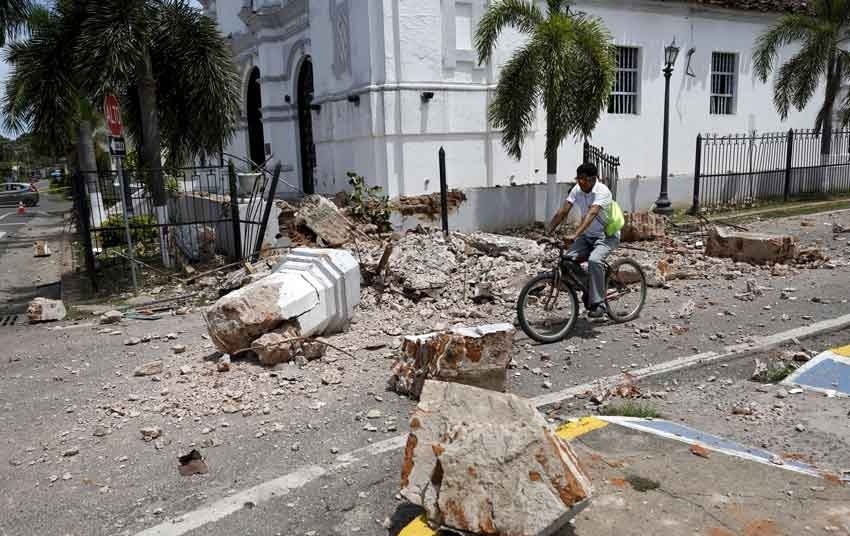
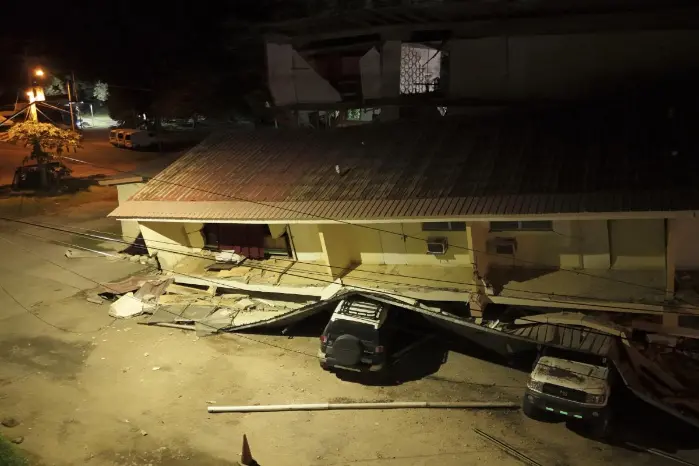
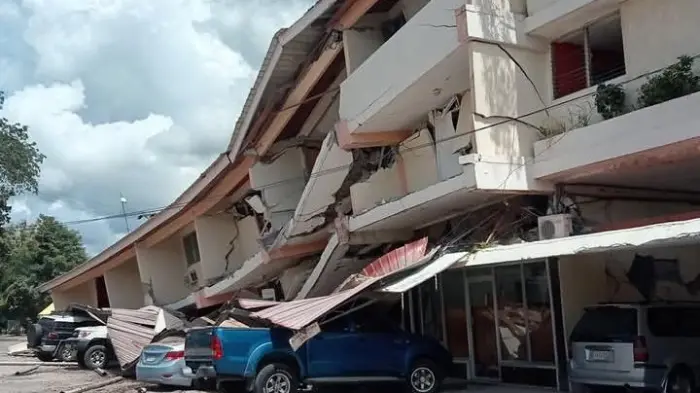
The preliminary report from the Emergency Operations Center (COE) of Sinaproc, as of 8:00 pm on Friday, indicates damage in nine provinces and 27 minor injuries. It reports no deaths or missing persons. The most significant access problems are concentrated in Veraguas and Los Santos. Solís urged caution. He noted that church towers had collapsed and homes had been damaged on the Azuero Peninsula, and that some sections of highway had suffered significant damage. He also warned that the comparison with Panama City, with its many skyscrapers, has its limits, since in the capital the intensity was 5 degrees, not 7. The COE’s report indicates minor damage in four horizontal property buildings and businesses in the province of Panama.
Pedro Miguel’s Fault.
Solís added that the city has its own fault line, the Pedro Miguel fault, and that this one would “truly” test all the installed technical capacity of the country. The Panamanian Structural Design Regulation (REP) of 2014 incorporated the studies of the Limón and Pedro Miguel faults that were done during the expansion of the Panama Canal. The current code for structural design in Panama is the REP of 2021, he recalled. The Technical Board of Engineering and Architecture (JTIA) adopted it with Resolution 020-2022 and it came into effect on April 30, 2023. It is the latest link in a chain that began in 1976, when the Panamanian Society of Engineers and Architects published an anti-seismic code without the force of law. The first legal regulation, REP-84, was published in the Official Gazette on January 23, 1985.
It was later updated with the 1994, 2004 and 2014 versions. Solís explained that the REP takes as a reference the United States standards for steel and concrete. Early versions of this document placed less emphasis on single-family homes than on larger buildings. REP-84 did not require formal seismic design for single-family homes. REP-94, however, included stricter standards for these structures and calculated seismic coefficients using local earthquake data, rather than California factors. The REP-2004, meanwhile, mandated the installation of sensors in new buildings taller than 15 stories or larger than 5,000 square meters. These sensors feed into the Seismic Instrumentation Program at the Technological University of Panama (UTP), whose data is used to improve building codes, as engineer Ramiro Vargas explained in a recent article published in the media.
A Construction Code is Missing.
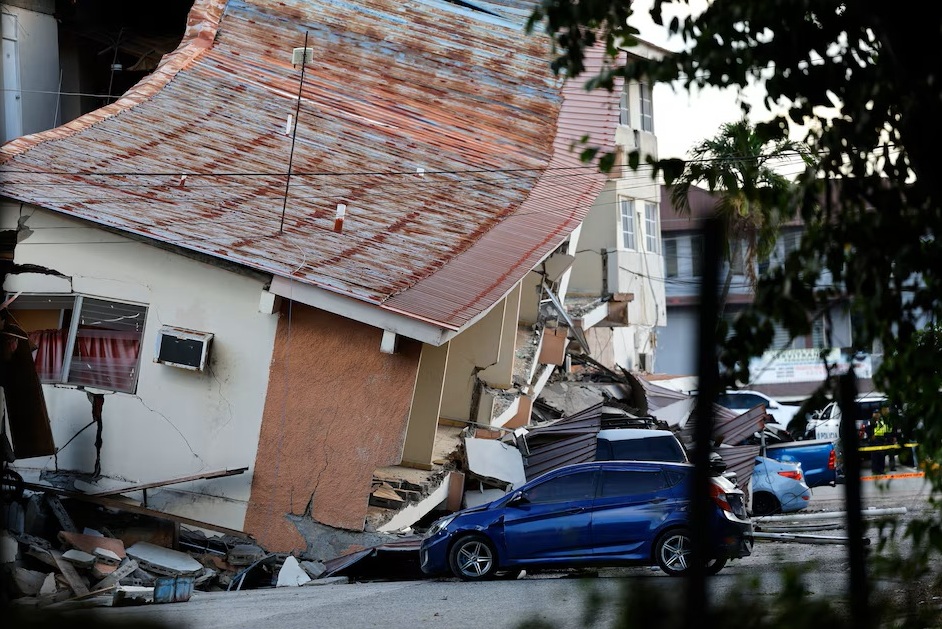
But structural regulations alone are not enough, Solís stated, since they only govern the designs of civil engineers. “Another missing element in Panama is a building code,” he suggested, which would define how construction projects are carried out. He also believes it’s important for cities to respect their urban planning. Building on hillsides, riverbanks, floodplains, or filled-in mangroves is prohibited. He cited the landslides that have occurred in San Miguelito as an example. Vargas, a professor of Civil Engineering at UTP, states that having a good regulation is not enough, because in his opinion, it is necessary to comply with it, with competent professionals, adequate materials, effective supervision and oversight. He added that a large part of the population lives in houses built without technical supervision or with risky modifications. Solís suggests that whoever builds must comply with these points:
1
Qualified professionals. Hire an architect and a civil engineer with JTIA-recognized qualifications. “Don’t choose the cheapest.”
2
Materials and construction. Don’t skimp on the quality of materials. Professionals should inspect the construction and not leave it solely in the hands of bricklayers.
3
Maintenance. “The maintenance culture in Panama is almost nonexistent,” he stated. He contrasted this reality with the structures of the old Canal Zone, which are between 50 and 100 years old and are still standing.
4
Soil and design. According to Solís, foundations should be built on bedrock, and flexible structures should be designed, as they perform better in earthquakes and strong winds than rigid ones. Vargas also suggested characterizing the soils, because the same earthquake can cause very different effects depending on the geotechnical conditions.