Mariato Tonosí and Pedasí Search for Water Shelter and Access Routes a Day After the Earthquake.
The earthquake left families out of their homes, vehicles buried under rubble, and communities seeking refuge in Mariato, Tonosí, and Pedasí.
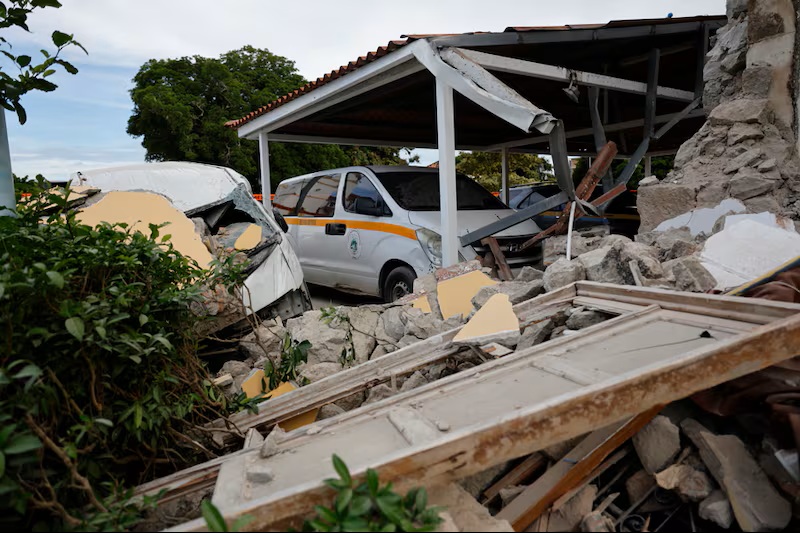
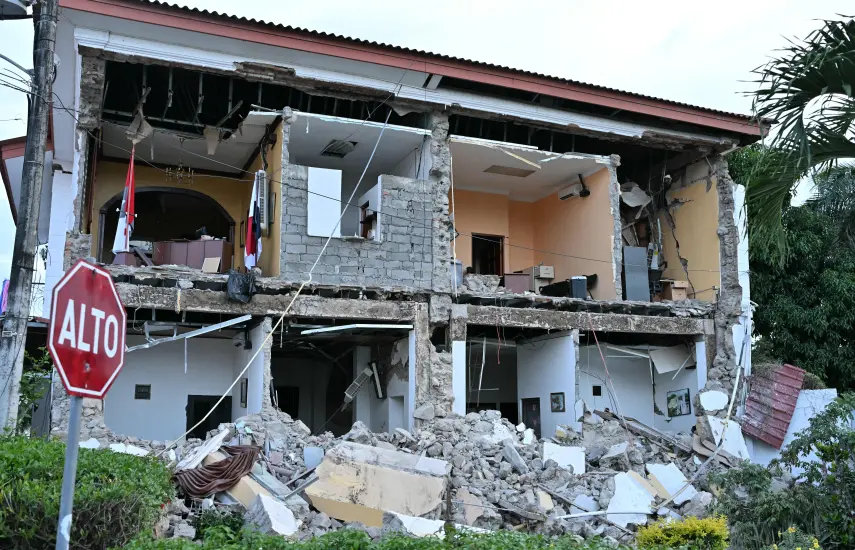
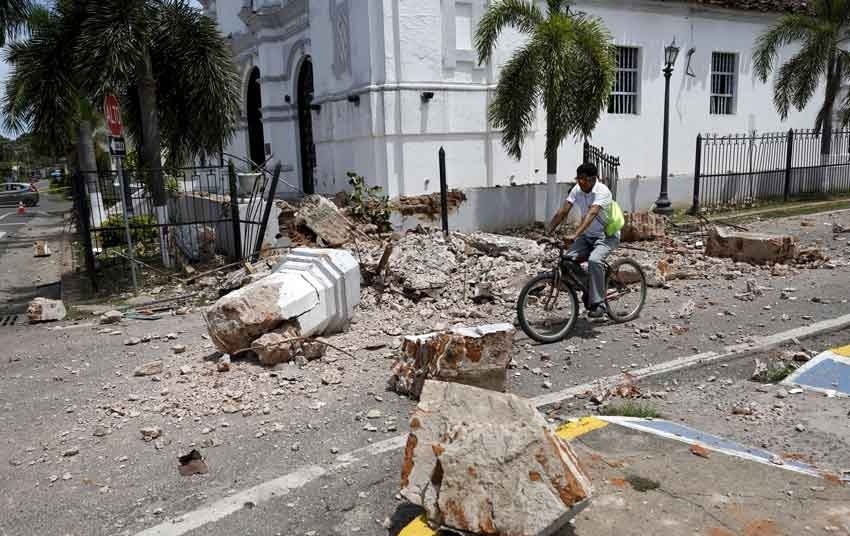
In Mariato, Tonosí, and Pedasí, the earthquake left homes destroyed, roads damaged, and families displaced. The mayors of these three districts, where the epicenter was located, describe communities searching for water, food, and shelter while awaiting assessments and government assistance. In southern Veraguas, some families left their homes and sought refuge in higher ground. In Tonosí, shopkeepers watched as walls collapsed onto vehicles and houses were left amidst the rubble. In Pedasí, some spent the night in parks and sports centers, too afraid to return to their homes.
The earthquake disrupted life in these districts and left their authorities facing an emergency whose magnitude is still being determined. The first few hours were marked by fear, damage to infrastructure, and difficulties getting around. Roads were affected, some bridges were compromised, and basic services began to run out in communities hit by the earthquake. The mayors of Mariato, Ángel Batista; Tonosí, Aníbal Domínguez; and Pedasí, Miguel Batista, described to News Media a scenario in which needs accumulate while the evaluations progress.
The Damage in Veraguas.
In Mariato, Ángel Batista was speaking from an emergency situation that forced him to leave his district to search for supplies. He was traveling to Santiago in search of water and food for the affected families. The highway had collapsed sections, uneven bridges, and landslides in the mountains. In addition to the road damage, there were destroyed homes, damaged businesses, and losses in the tourism sector. At the time of the interview, he confirmed that no deaths had been reported in the district, although there were some minor injuries. “People are hysterical, sad, and shocked. They are waiting for help from the government and the authorities,” Batista said.
The mayor estimated that around 1,500 people had been affected, mainly in the communities closest to the epicenter, including Llano Catival, Quebro, Arenas, and El Cacao. The figure was preliminary; they still needed to reach other towns to determine the full extent of the damage. He also reported that a school had suffered considerable damage and that the municipal building was practically destroyed. The emergency wasn’t limited to cracked walls or houses that collapsed. According to Batista, Mariato was without electricity, water, or internet access. Several rural aqueducts had collapsed, and families desperately needed drinking water, precisely when the roads were making it difficult to deliver aid.
The lack of communication also made it hard to know what was happening in the more remote communities, where some residents had abandoned their homes for fear of further tremors. Some sought refuge in the hills, others settled in schools, and some ended up under trees or in pastures. Batista asserted that there were not enough spaces available to receive the families.
“People are hysterical, they are sad, they are shocked. People are waiting for help from the Government and the authorities.” says Ángel Batista, mayor of Mariato.
“I have them in the fields, because there’s no other option,” he said, describing where some of the victims were spending the emergency. The municipal field was available, but when he spoke with the media, it still did not have water. On his trip to Santiago, he obtained 35 cases of water, as well as bread and milk to distribute among children and the elderly. The mayor listed the needs of families who, in many cases, had been forced to flee their homes without being able to salvage any of their belongings.
They needed tents, mattresses, stoves, gas, clothing, medicine, and materials to rebuild their houses. “When I say everything, I mean it, because the houses collapsed and they couldn’t take anything with them,” he explained. Batista requested assistance from the central government and international organizations. Meanwhile, residents still didn’t know when they would be able to return to their homes or where they would spend the next few nights.
Those Most Affected.
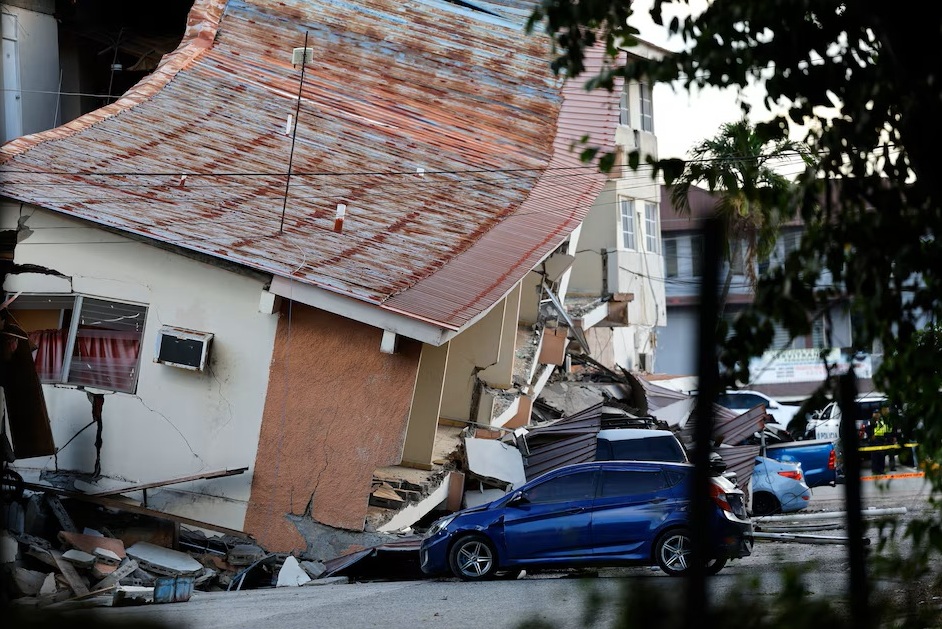
In Tonosí, in the province of Los Santos, Aníbal Domínguez was also trying to piece together the situation using information he received from residents. The only land access route he identified was the road through Macaracas, but he warned that it was in dangerous condition. The situation prevented teams from being mobilized normally and from reaching all the communities. Therefore, the mayor insisted that the figures he was providing were not final: the entire district had not yet been assessed. His initial estimate was around 100 homes destroyed or severely damaged, though he cautioned that the number could be much higher. In downtown Tonosí, he explained, hotels and businesses were damaged, and about eight vehicles were trapped under a collapsed wall. He also mentioned damage in Isla de Cañas, Búcaro, Cambutal, Flores, and El Cacao. Some communities had been evacuated, while local teams tried to determine what had happened in areas they had not yet been able to reach.
“Honestly, everything is destroyed, unfortunately, without exaggeration,” Domínguez summarized, describing the situation in his district. The earthquake also devastated an activity that sustains a large part of the local economy: agriculture. The mayor explained that nearly 7,000 hectares of rice had been planted during the year.
“The Municipalities Don’t Even Have the Community Board to Buy a Pound of Rice.”
According to their estimate, between 4,000 and 5,000 hectares could still be at risk, because part of the harvest had already been gathered and the rest remained in the fields. The emergency therefore threatened not only homes and businesses, but also the income of farmers and agricultural workers. Amid this situation, the most immediate needs were water, food, and shelter. Domínguez also mentioned diapers and formula for babies. His concern extended beyond immediate assistance: “The municipalities don’t even have the funds to buy a pound of rice,” he stated, explaining the economic limitations of local governments in addressing a crisis of this magnitude. He called on the central government to take action regarding the damage to homes, roads, and agricultural production.
Fear of the Sea.
In Pedasí, also in Los Santos province, Miguel Batista described another aspect of the emergency: the uncertainty of those who didn’t know if their homes were still safe. Although the damage assessment was still preliminary, a wattle-and-daub house had collapsed in the district, and in Playa Venao, an apartment building known as the Playa Venao site collapsed completely. Another structure in that area sustained considerable damage. The mayor also reported that one person had apparently been injured, though not seriously. The night was also unsettling for those who sought refuge outside their homes. Some slept in parks and sports centers; others remained in open spaces, fearing the tremors would continue.
Batista recounted the case of a 100-year-old woman who spent the night in the street, sheltering from the rain with an umbrella. In Playa Venao, several residents moved to a hill where a school is located. “People are afraid to go into their homes; they don’t dare,” the mayor explained, describing the uncertainty among the residents. Batista requested tents and tarpaulins to create temporary shelters and asked for coordinated efforts to protect residents and restore basic services. He also reported the closure of the bridge over the Oriano River due to structural problems and noted that other infrastructure still needed to be inspected.
“People are afraid to enter their homes, they don’t dare.” says Miguel Batista, mayor of Pedasí.
Adding to security concerns was the closure of businesses, which made it difficult for residents to buy food and essential items. While awaiting a response from national authorities, the municipality continued to gather information about the damage. In all three districts, the assessment was still ongoing. Mayors’ estimates reported lost homes, damaged roads, communities in need of water, and families searching for shelter. But further inspections were needed to determine how many structures could be salvaged, how many required repairs, and how many people needed immediate assistance. For now, amidst the rubble, damaged roads, and makeshift shelters, the urgency was measured in concrete needs: drinking water, food for the children, and a safe place to wait for the earth to stop shaking.