A Day of Environmental Awareness on the Coasts of Panama.
The initiative was also promoted by Adopta Bosque Panamá, an organization that called for volunteers to join in the waste collection.
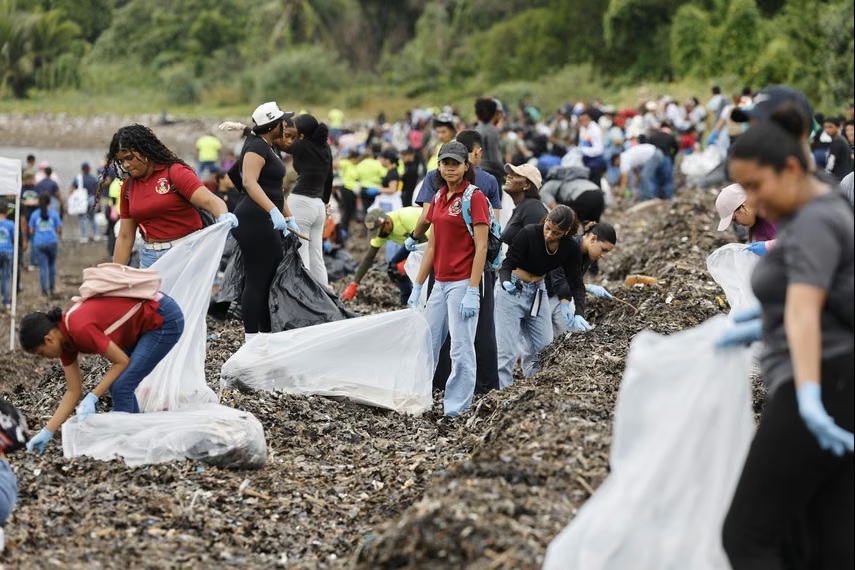
Amidst the garbage carried by the river and the skyscrapers that define the skyline of Panama’s capital , dozens of young people, volunteers, and representatives of environmental institutions traded their routines for gloves and bags this Saturday to collect waste at the mouth of the Juan Díaz River, in a day of coexistence and environmental awareness within the framework of Ocean Month.
Coastal Cleanup.
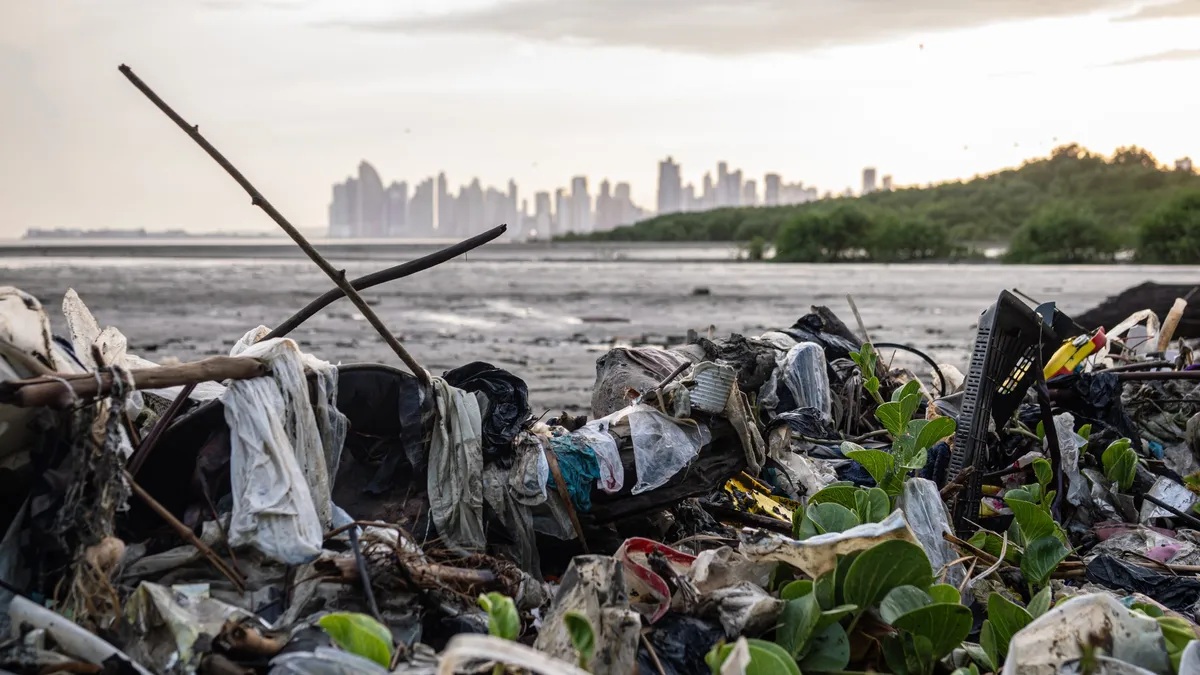
From early on, the participants, some wearing clothing alluding to their organizations and others in work clothes, moved through the area with bags and tools to remove the waste they found along the way. The scene showed a marked contrast: in the foreground, a vast garbage dump that the volunteers had to collect, and in the background, the modern buildings of the exclusive areas of Santa María and Costa del Este, which, between the rain and the distance, seemed to observe the work on the coast from above. “Here we have a sample of what we citizens and humans are doing to our planet.
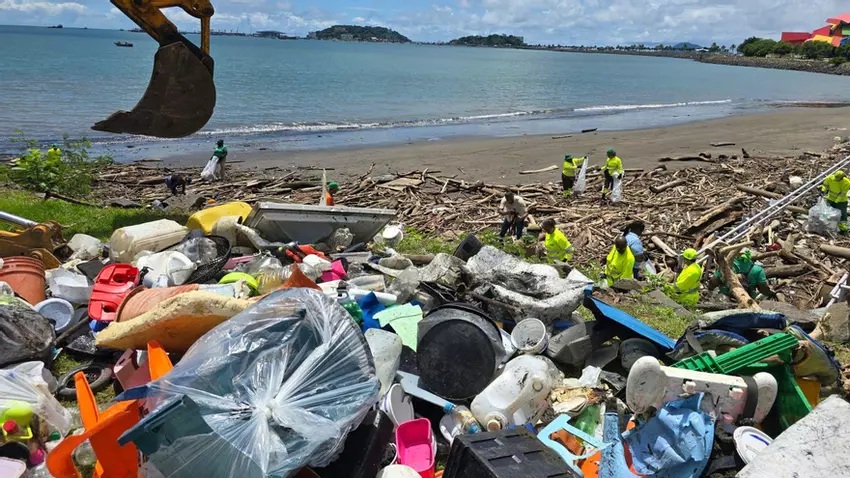
Humans are the only species stupid, suicidal, irresponsible, and immoral enough to destroy our own home. It’s unbelievable; I’ve never seen anything like it (in any species) in nature,” Panamanian Environment Minister Juan Carlos Navarro told news media. He added that “Panama has been participating in the ocean cleanup for 35 years” which takes place in September, and the only thing that gives him much optimism – beyond the disaster of garbage that exists throughout the world – “is that more and more citizens, young people in particular, are becoming aware and helping to clean” the planet.
Improper Waste Disposal.
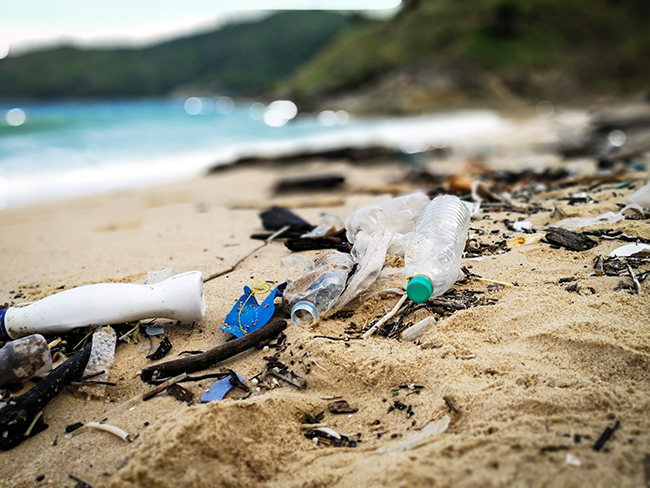
Amid laughter and conversation, the bags began to fill with all kinds of waste in a task that allowed attendees to see firsthand the magnitude of the waste that ends up on the coast. “These activities are very good and positive. All the material we find here is our fault, because we are the ones who deposit this material here and in the end the rivers and water end up bringing it to the coasts,” commented Gabriel Rodríguez, an Environmental Engineering student at the Technological University of Panama (UTP). Rodríguez appealed to conscience and the ‘three Rs’ rule (Reduce, Reuse and Recycle), but especially to ‘reduce’: “We must reduce our consumption, stop using single-use plastics. The vast majority of what is here is single-use plastic.”
Help From Organizations and Volunteers.
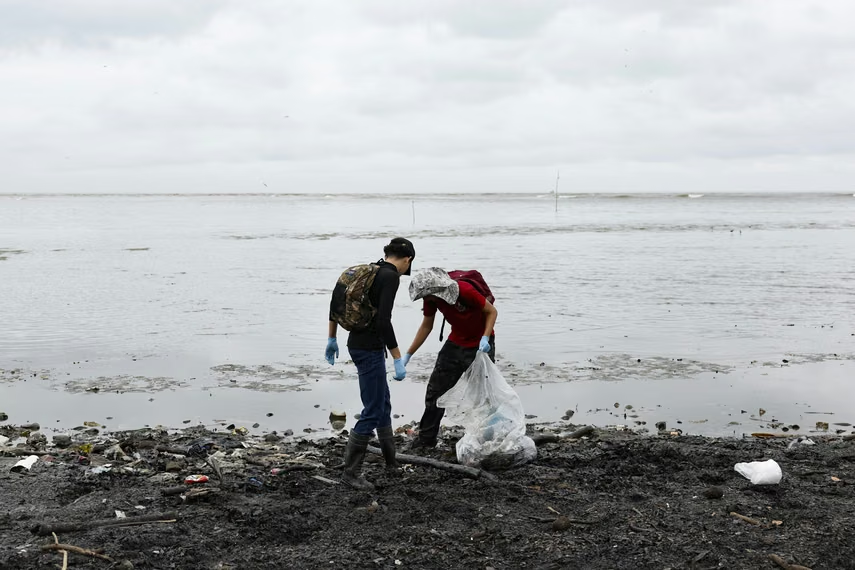
The activity, called ‘Beach Cleaning’ and carried out under the slogan ‘Panama: the heartbeat of two seas’, brought together representatives from the Ministries of Environment, Education and Public Security, the Mayor’s Office of Panama, the Juan Díaz Community Board, the National Aeronaval Service (Senan), the National Border Service (Senafront), the Institutional Protection Service (SPI) and the Maritime Authority of Panama (AMP), among other entities. The initiative was also promoted by Adopta Bosque Panamá, an organization that called for volunteers to join in the waste collection. “We are living through a time of triple planetary crisis: the loss of biodiversity, climate change, and pollution.
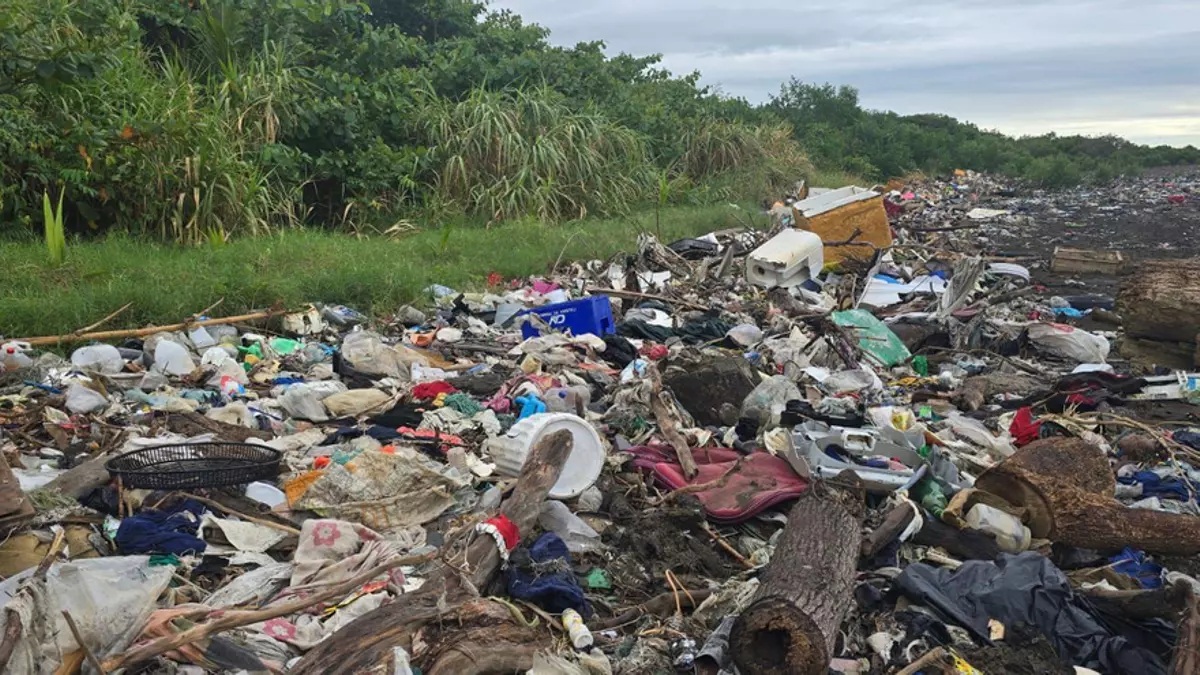
In this case, today, as every third Saturday of September, we celebrate the international cleanup of coasts and seas,” explained biologist and director of the Adopta Bosque Panamá Association, Guido Berguido. More than just collecting trash, the day aimed to go beyond waste collection and turn the experience into an environmental education exercise for those who participated. “What this activity consists of, or rather, is a task of teaching, of raising awareness, so that we can see firsthand the problems we have and thus be able to take real corrective measures, which in this case are the reduction or changes of daily consumption habits in our homes,” Berguido pointed out.