Victims of Discrimination in their Workplace: 71% of Talented Individuals in Panama Make that Claim
71% of them say they have been victims of discrimination in their employment. The seriousness of this situation is reflected in its frequency, as 46% of specialists indicate that these problems occurred almost always.
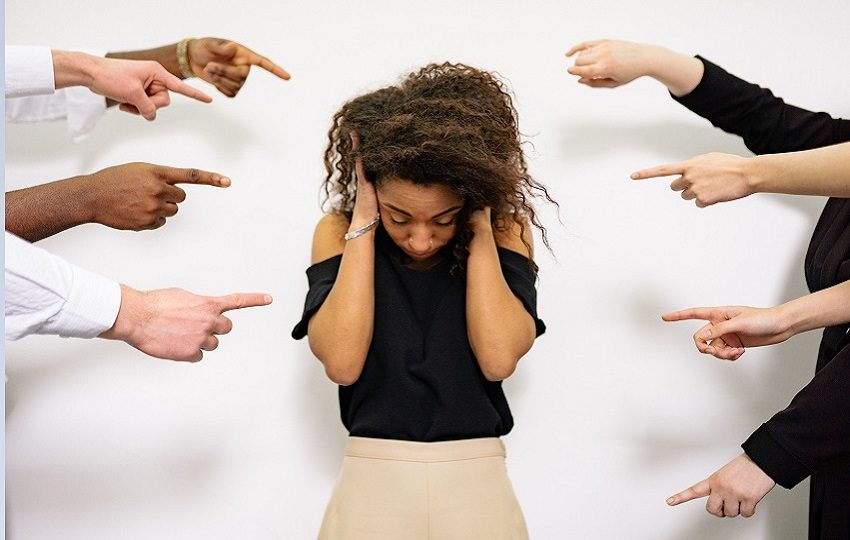
A new study on diversity in the workplace, conducted by the job portal Konzerta, reveals that 58% of human resources professionals have faced difficulties related to the inclusion of diverse individuals in their organizations. This issue represents a concrete challenge for the sector , highlighting the need to transform not only formal policies, but also organizational culture and daily practices. Among the organizations that experienced these problems, 73% identified situations of discrimination in the division of tasks, and 55% reported inappropriate jokes, teasing, or comments directed at diverse individuals.
Furthermore, 27% of professionals observed a lack of inclusion from both superiors and colleagues, an identical percentage reported workplace violence and harassment, and another 27% identified discrimination during lunch breaks or social gatherings. The seriousness of this situation is reflected in its frequency, as 46% of specialists indicated that these problems occurred almost always, 36% said they happened sometimes, and 18% confirmed they were constant. Despite this, 82% of Human Resources managers admitted they took no action to resolve the issue.
Only 18% addressed the situation comprehensively through a specialized team, or spoke directly with the work team to prevent the problem from recurring. The remaining actions were minor: 9% intensified diversity training, another 9% provided support to the affected person, and another 9% listened to the person involved to try to address their concerns. Inaction is closely linked to a lack of resources, as 64% of specialists believe they lacked the necessary tools to address the challenges they faced, and only 9% report having the required resources to manage these conflicts.
When analyzing proactive measures, 54% of organizations state they do not take any initiatives to promote diversity, while 46% claim to implement concrete actions. Among the companies that do implement specific actions, 45% conduct mandatory talks and training sessions , another 45% implement inclusive hiring policies, 42% develop best practice manuals and codes of conduct, and 39% adhere to public inclusion policies. Additionally, 35% created support spaces to address situations of discrimination, 26% implemented protocols against inequality or mistreatment, and 16% reviewed their policies to ensure greater diversity.
Overall, the biggest obstacle to achieving effective workplace inclusion is the lack of managerial commitment to diversity, a factor cited by 50% of experts. Other significant barriers include a lack of flexibility in responding to the demands of diverse workforces (38%), difficulties in recruiting and retaining diverse individuals (25%), and a lack of financial resources (17%). This lack of inclusion directly impacts workers, as 71% of them report having been victims of discrimination in their employment, representing a 16 percentage point increase compared to the 55% recorded in 2025. In a regional analysis, Panama ranks third with this 71% of affected talent, below Chile with 82% and Argentina with 78%, and above Peru with 66% and Ecuador with 63%.
The main reasons for this discrimination are age, affecting 59% of those who experienced it, followed by skin color (16%), gender (13%), disability (8%), and sexual orientation (4%). Furthermore, 65% of workers report having witnessed discriminatory incidents in their workplace, and 70% believe their organization does not implement measures to foster a more inclusive work environment. As a consequence of this climate of vulnerability, 11% of professionals chose to conceal their sexual orientation at work, driven in 58% cases by fear of discrimination and in 42% by fear of losing their job. Similarly, 11% concealed their gender identity, primarily due to fear of losing their job in 63% of cases and fear of discrimination in 34%.