The Reopening of Cobre Panamá: Panamanian Government Orders Technical Debate
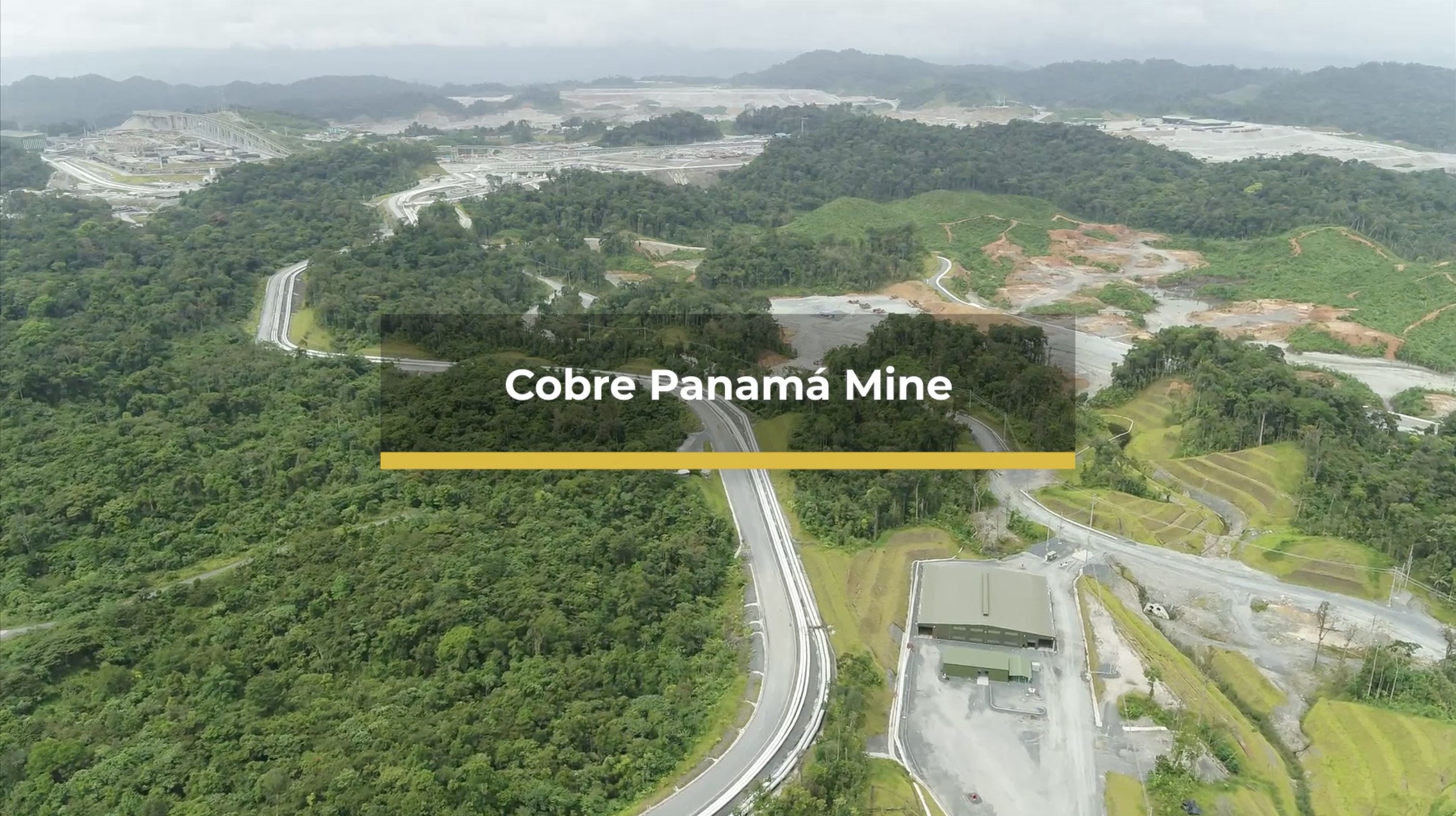
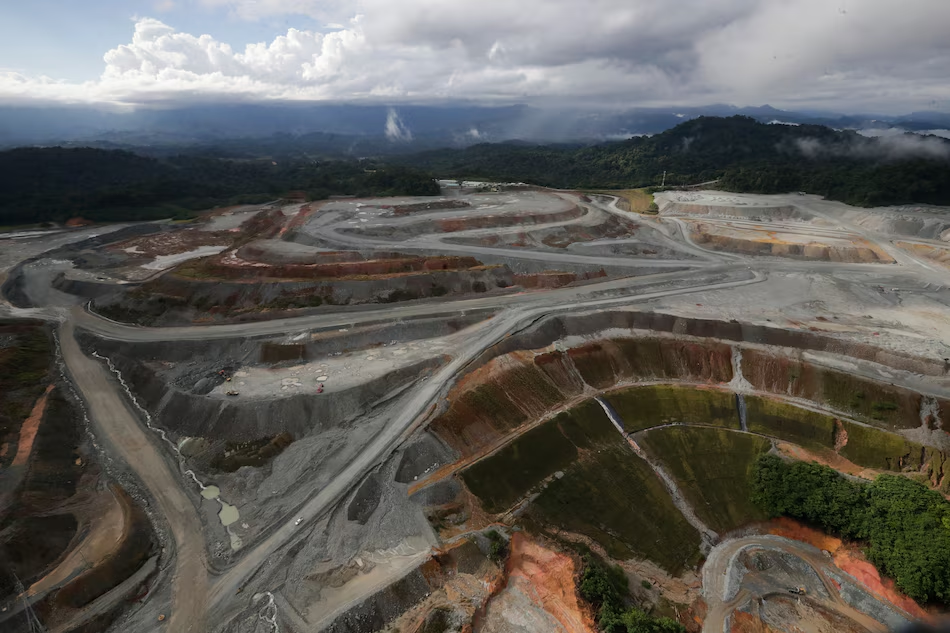
The publication of the comprehensive audit of Cobre Panamá by the government of José Raúl Mulino opened a new stage in the discussion on the future of the country’s largest copper mine, suspended since November 2023 following the declaration of unconstitutionality of its contract, due to its economic, environmental, and social implications. Before its closure, the operation came to account for about 5% of Panama’s GDP and around 75% of goods exports. The audit carried out by SGS Panamá Control Services gave the operation an overall compliance rating of 87.73%, a result that, according to the government, will serve as a technical input to assess the next steps regarding the project.
During the official delivery of the report, the minister of Commerce and Industries, Julio Moltó, insisted that the decision Panama must make cannot be based on ideological positions or perceptions. “Panama is facing a state decision of historic significance, a decision that cannot be based on perceptions, slogans or pressures. It must be made on the basis of data, evidence and technical rigor. That is precisely what this report provides,” he stated. Moltó stressed that the report provides for the first time “documented, objective and verified” information on the status of the commitments associated with the mine and warned that the debate involves environmental, economic, legal and social dimensions. “This mine belongs to Panama.
It exists; it is there. It is not an abstract concept or a theoretical debate. It is infrastructure on a continental scale with concrete implications for our economy, employment, the environment, communities, public finances and the international credibility of our country,” he stated. The minister also stressed the economic consequences resulting from the halt of the operation. “There are hundreds of millions of dollars in contributions to the State that are no longer being received, as well as thousands of small and medium-sized suppliers that were providing services to this sector,” he said, adding that there are also impacts on employment, social security, and the country’s international reputation.

Nevertheless, Moltó emphasized that the audit does not constitute a decision on the future of the mine. “This report does not close the debate; it organizes it,” he stated, while asking the public to review its conclusions before adopting definitive positions. The position is consistent with that previously expressed by the Ministry of Environment when disclosing the results of the study. According to the entity, the document constitutes “a detailed X-ray” of the state of the project and a technical input for the State to evaluate the next steps, without representing a determination on a possible reopening. In parallel, the Panamanian Mining Chamber (Camipa) appreciated the official release of the audit and maintained that the results reinforce the need for decisions on projects of this magnitude to be based on verifiable information, objective analysis, and technical evidence, according to a statement from the association.

The president of Camipa, Severo Sousa, defended the relevance of the rating obtained by the operation and placed it within favorable parameters for the industry. “What I believe is that this, I repeat, [is] a very good rating within the industry,” he said during an interview with ECOtv Panama. Sousa compared the result to a high school grade, although not a perfect one. “It’s the same as the fear a parent has. I had schoolmates who got 4.5 (out of 5), which is more or less what this audit has also gotten,” he said. “They say that perfection is the enemy of the good.” The union leader also maintained that the national discussion should focus on how to responsibly manage the country’s natural resources.
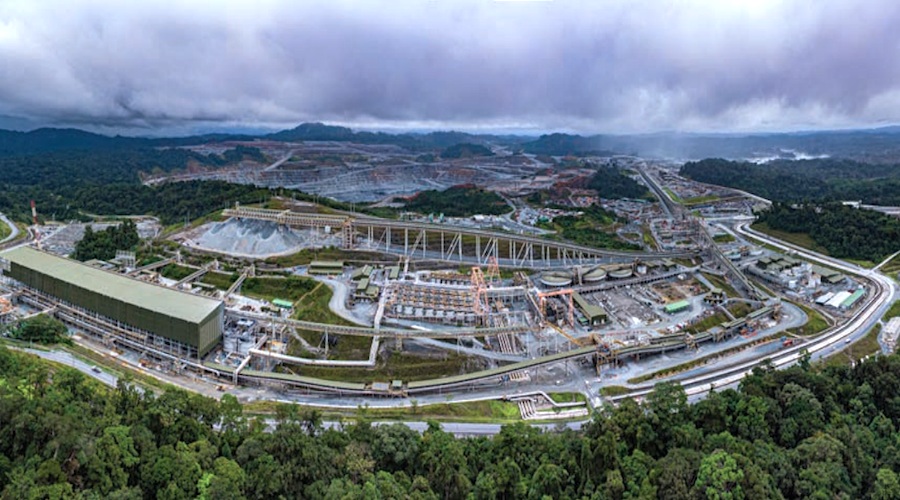
“We also have to start thinking about how we want to develop our natural resources in a sustainable and responsible way,” he said. “That is what we as a country need to be immersed in, not whether mining yes or mining no. How do we want to do it?” The audit concluded that the First Quantum Minerals project recorded an overall compliance level of 87.73%, with an assessment of 88.23% in legal, labor, and tax matters; 87.64% in environmental compliance; 90.20% in technical and operational standards; and 81.70% in associated risks and future environmental liabilities.
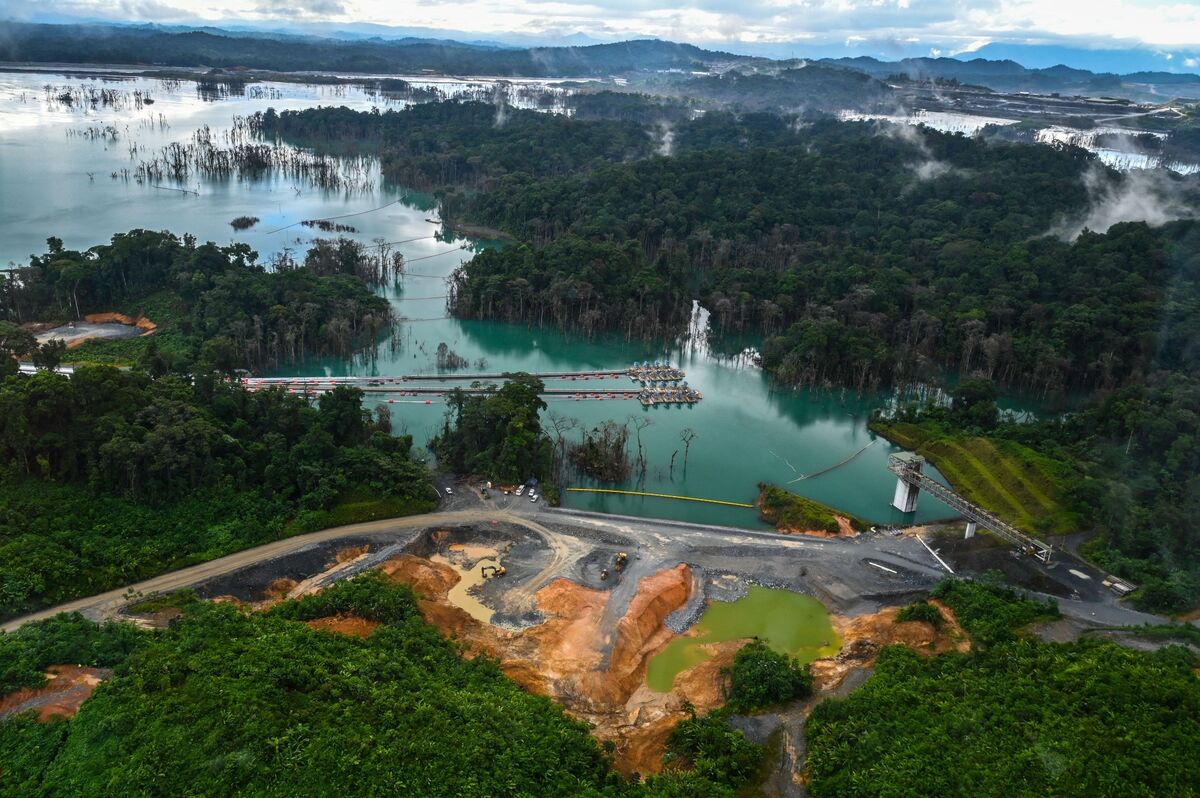
In addition, 97.6% of the 370 environmental commitments reviewed were classified in the two highest performance categories and none were categorized as non-compliant. With the report now in the hands of the State, the interministerial commission made up of the ministries of Commerce, Economy, and Environment will begin evaluating the results. “Today marks the beginning of a new stage,” said Moltó. “A stage in which Panama must face this issue with maturity, based on facts and without absolute truths.”